

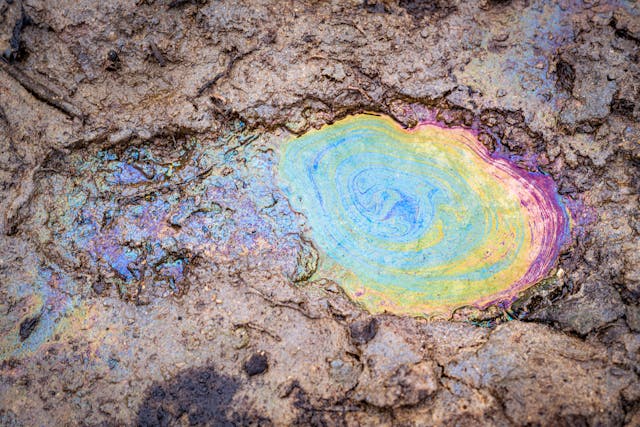

Small oil spills on UK land can harm soil, plants, rivers, groundwater, and wildlife. A leak from a heating oil tank, farm diesel store, or car can spread fast. Oil can soak into soil. It can also wash into drains when it rains.
Environment Eu commission warns that 1 litre of oil can pollute 1 million litres of water. That is why fast action matters.
Key Takeaways
- Small oil spills do not just dry up or go away.
- Heating oil, diesel, hydraulic oil, and engine oil can soak into soil.
- Oil can move toward drains, ditches, rivers, and groundwater.
- Around 1.5 million UK homes are not on the gas grid.
- Many of these homes use oil for heat.
- This makes tank leaks a real risk in rural areas.
- Many surface water drains lead straight to rivers, streams, or lakes.
- Oil in a drain can act like oil in a river.
- UK oil storage rules call for safe tank siting and spill control.
- Many tanks also need a bund, which helps catch leaks.
- Fast clean-up can protect soil, water, wildlife, and homes.
Quick action can also reduce legal risk.
Why Small Oil Spills Matter in the UK
A small oil stain on a drive is easy to ignore. So is a faint smell near a garden oil tank. The mark looks small. The ground looks large. Many people think a few drops will not cause much harm.
That is where the risk starts.
Oil is not like dirt or rainwater. It can stay on hard ground. It can soak into loose soil. It can move sideways under the surface. Heavy rain can also wash it into drains.
Once oil reaches soil, ditches, streams, or water supplies, clean-up gets harder. It also costs more.
OilCare UK says oil has ranked among the UK’s top three pollutants in recent years. It also says oil can spread across water as a thin film. This film blocks oxygen from plants and animals.
Small spills matter because they spread. A driveway drip, tank leak, or diesel spill can turn into a wider land and water problem. The sooner it is found, the easier it is to stop.
What Counts as a Small Oil Spill?
A small spill is not always a big leak. In homes, farms, and towns, it often starts quietly.
Common signs include:
- a heating oil tank leaking near the base;
- a kerosene smell near a garden tank or pipe;
- diesel spilled during farm refuelling;
- oil leaking from a tractor, loader, or harvester;
- engine oil dripping from a parked car;
- oil stains near a garage, shed, or workshop;
- oil washing into a surface water drain after rain.
At first, the spill may look minor. But small leaks can add up. A few drops each day can become a serious soil problem over time.
Domestic Heating Oil Tanks and Soil Contamination
Heating oil is still common in rural parts of the UK. Many off-grid homes use it for heat. OFTEC told Parliament that about 1.5 million UK homes are not on the gas grid. Northern Ireland uses heating oil more than many other UK areas because its gas grid is less built out.
Most home oil tanks sit outside. They are often near gardens, walls, sheds, or drives. Over time, tanks, pipes, valves, and filters can wear down.
Plastic tanks can crack or bulge. Metal tanks can rust. Pipes can loosen. A small leak can stay hidden until the smell gets strong. The soil near the tank may also turn dark and oily.
Once heating oil gets into the ground, it can harm soil. It coats soil grains. It blocks air spaces. This makes it harder for roots and soil life to survive.
Oil can also move away from the tank. It can spread toward house walls, drains, ponds, nearby land, or groundwater.
If oil has soaked deep into the soil, simple cleaning is not enough. The site may need expert checks. It may also need soil removal, oil recovery, water checks, or vapour control.
A spill service such as ICE Cleaning can check the damage. They can tell if the site needs surface cleaning, soil clean-up, or a deeper spill response. This is more urgent when oil reaches soil, drains, or buildings.
Farm Diesel, Hydraulic Oil, and Rural Runoff
Farms face a different oil risk. They often store diesel, red diesel, waste oil, and machine fluids. Spills can happen during refuelling, repairs, hose breaks, or fuel transfer.
A small spill on a large farm can look harmless. But the place of the spill matters more than the size. Oil near a ditch, drain, borehole, slope, or stream can move fast in rain.
Rural oil spills can harm land and water in several ways:
- oil can coat grass and soil;
• dirty runoff can enter ditches and streams;
• oil films can block oxygen in water;
• oil can harm soil life and crop growth;
• spills near boreholes can threaten private water supplies;
• livestock can be exposed through grass, troughs, or drains.
Farms should take small spills seriously. Rural drains often link yards, fields, ditches, and streams. One yard stain can become a water problem after heavy rain.
Important: How to Dispose of Old Gas
Driveway Oil Drips and Urban Road Runoff
Car oil leaks are slow, but they add up. One leaking car on one drive looks minor. Across a town, many leaking cars create a steady source of oil, fuel waste, metals, and road dirt.
When rain falls, it can wash oil from roads and drives into drains. OilCare UK warns that many drains lead straight to rivers, streams, or lakes. So oil washed into a drain can act like oil poured into a river.
This problem is getting more notice in England. In 2025, MPs heard warnings about dirty road runoff. It can carry oil, metals, and tiny bits of plastic into rivers. This often happens after rain.
The warning raised concern because road runoff gets less focus than sewage spills. But it still harms rivers.
Urban oil pollution rarely looks like one big event. It is often a simple pattern: drips, rain, drains, rivers, repeat.
How Oil Moves Through Soil and Water
Oil can move in three main ways.
1. Across Hard Surfaces
On concrete, tarmac, and paving, oil can spread across the surface. Rain can then carry it to a drain, gully, road edge, or garden border.
2. Down Through Soil
On lawns, fields, gravel, and bare ground, oil can soak down. Loose or sandy soil lets oil move faster. Clay soil can slow it down. But clay can also hold oil near the surface.
3. Sideways Through Soil and Water
Oil does not always move straight down. It can move sideways through cracks, trenches, gravel, and water paths. A spill on one property can reach a neighbour, ditch, pond, or house wall.
Once oil reaches groundwater, it is much harder to contain. OilCare UK warns that 1 litre of oil can pollute 1 million litres of water. That is why small spills need fast action.
UK Legal Duties for Oil Spills and Storage
Oil spills are not just a cleaning problem. They can also become a legal problem. This can happen if oil reaches soil, drains, rivers, groundwater, or protected land.
In England, the Environment Agency deals with many pollution events. Scotland has SEPA. Wales has Natural Resources Wales. Northern Ireland has the Northern Ireland Environment Agency.
UK rules also cover how people store oil. GOV.UK says business oil storage rules apply to some tanks that hold 201 litres or more. For home tanks, the installer should check if the tank needs extra protection.
If a bund is needed, it must hold 110% of the tank size. It must also keep oil and water from passing through.
Do not use vague terms such as “General Binding Rules” for oil tanks. That phrase is more often used for small sewage discharge rules.
For oil spills, use clearer terms such as:
- oil storage rules;
• building rules;
• environmental permits;
• pollution duties;
• water and groundwater protection;
• regulator action after pollution events.
What to Do After a Small Oil Spill
Act fast, but do not make the spill worse.
First, stop the source if it is safe. Turn off a valve. Stop refuelling. Stand a leaking container upright. Do not touch anything unsafe, loose, or under pressure.
Next, keep oil away from drains, soil, and water. Use spill pads, sand, granules, or an oil spill kit. Never hose oil into a drain. That can send the oil straight into a stream, river, or lake.
If oil reaches soil, a drain, a ditch, a stream, a pond, or a building, treat it as more than a stain. Contact the right regulator or local council when needed. Call a trained spill clean-up firm for a site check.
For heating oil at home, also call your tank firm, fuel firm, or insurer. Some home insurance plans cover oil leak clean-up. Cover can vary.
How to Prevent Heating Oil and Diesel Leaks
Clean-up can cost far more than simple checks. A few checks can stop a small fault from turning into a big spill.
Check tanks and fuel systems for:
- cracks, dents, rust, or bulges;
• oil stains around the base;
• strong fuel smells;
• damaged pipes;
• loose valves or filters;
• sinking or uneven tank bases;
• weeds or thick plants around the tank;
• signs of impact from cars, vans, tractors, or machines.
At home, check older tanks before winter. This is when people use more heating oil.
On farms and business sites, keep spill kits near fuel stores. Train staff to use them before a spill happens.
Latest UK Concern: Hidden Oil Pollution Is Getting More Attention
Small land spills are part of a wider UK problem. Some pollution is hard to see at first. It only becomes clear when it reaches water, soil, drains, or pipes below ground.
Road runoff is one example. In 2025, MPs heard warnings about dirty water from roads. This runoff can carry oil, fuel waste, metals, and tiny bits of plastic. Rain can move it through road drains and into rivers.
The lesson is simple. Oil pollution does not only come from big tanker spills or factory leaks. It can also come from small leaks at homes, farms, roads, yards, and garages.
Points to Remember
Small oil spills on UK land need fast action. A heating oil leak, diesel spill, or car oil drip can harm soil. It can also wash into drains, harm wildlife, and threaten groundwater.
The safest response is simple. Stop the leak if it is safe. Keep the oil away from drains, soil, and water. Get expert help if it reaches soil, water, or a building.
Small stains are easier to fix early. Once oil moves below ground, clean-up takes longer. It also costs more and harms the local area more.
FAQs
Can a small oil spill really damage soil?
Yes. Oil can coat soil grains. It can block air movement. It can harm plants, insects, worms, and other soil life.
The damage depends on the oil type, spill size, soil type, and clean-up speed.
Is heating oil dangerous if it leaks into a garden?
Yes. Heating oil can pollute soil. It can harm plants and cause strong smells. It can also move toward drains, house walls, or groundwater.
Check a garden leak fast if the smell is strong or the stain spreads.
Should I wash oil away with water?
No. Do not hose oil into a drain, ditch, or road gutter. Many drains lead straight to rivers, streams, or lakes.
Use spill pads, sand, or granules instead. Get help if the oil reaches soil or a drain.
Who regulates oil spills in the UK?
It depends on where the spill happens.
The Environment Agency covers England. SEPA covers Scotland. Natural Resources Wales covers Wales. The Northern Ireland Environment Agency covers Northern Ireland.
When should I call a professional spill-response company?
Call a trained spill firm if oil has soaked into soil. Also call if it enters a drain, ditch, stream, pond, or building.
You should also get help for a strong smell that does not go away. Surface wiping is not enough once oil moves below the surface.