

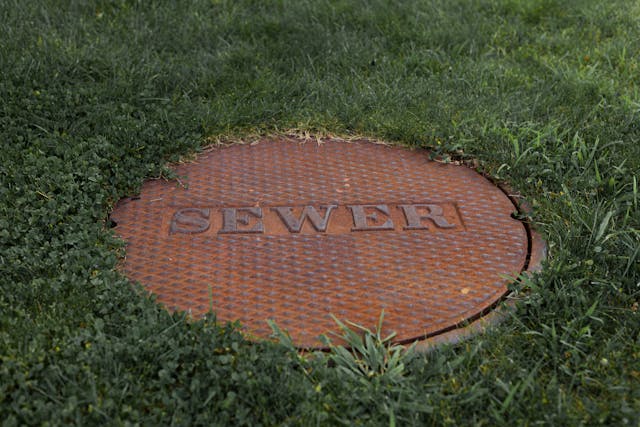

Ageing septic systems are easy to ignore until they fail. Most sit underground, out of sight, while homeowners focus on the roof, plumbing, garden, or beachside weather damage. But in coastal towns, an old septic system can become a quiet source of pollution.
When a septic system fails, wastewater can leak into soil, groundwater, creeks, wetlands, and nearby bays. That wastewater carries nutrients, bacteria, viruses, and other contaminants. For coastal homeowners on the Mornington Peninsula, connecting to mains sewer is the strongest long-term way to remove that risk from the property.
Quick Answer
Ageing septic systems threaten coastal environments because cracked tanks, worn seals, and overloaded leach fields can release untreated wastewater into soil and groundwater. In sandy coastal areas with high water tables, that pollution travels faster. Homes that can connect to mains sewer remove the risk from the property permanently.
Key Takeaways
• Failing septic systems can release nitrogen, phosphorus, bacteria, and viruses into soil and groundwater.
• Coastal homes face higher risk because sandy soil drains fast and water tables often sit close to the surface.
• Warning signs include soggy ground, bad smells, slow drains, gurgling pipes, and a system older than 25 years.
• South East Water’s sewer works mean more Mornington Peninsula homes can now move from septic to mains sewer.
• Connecting to mains sewer removes the leach field risk and ends septic maintenance for the homeowner.
What Happens When a Septic System Fails
A working septic system has a simple job. Wastewater leaves the house and flows into a septic tank. Solids settle at the bottom. The liquid moves out into a leach field, where soil filters and breaks down waste before it travels further.
That process works only when the tank, pipes, and soil are still doing their job.
Over time, septic systems wear out. Tanks crack. Seals fail. Tree roots can damage pipes. Leach fields become soaked or clogged. Once that happens, wastewater no longer moves through the system in a controlled way.
The problem does not stay neatly inside the backyard. Liquid waste can move through soil, enter groundwater, and reach drains, creeks, wetlands, beaches, and bays.
How Long Do Septic Systems Last?
Most septic systems last about 20 to 40 years. The exact lifespan depends on the system design, materials, soil type, household use, and maintenance history.
A well-maintained system on suitable soil can last longer. A neglected system on a small coastal block can fail much earlier.
Age alone does not prove a system has failed. But a system older than 25 years that has not had a proper inspection is a real unknown. Many older homes on the Mornington Peninsula were built when septic was the normal option. Some of those systems now sit well beyond their best years.
Why Failing Septic Systems Damage the Environment
The main environmental risks come from nutrients and pathogens.
Nutrient Pollution
Household wastewater contains nitrogen and phosphorus. In small amounts, these nutrients form part of natural cycles. In large amounts, they upset waterways.
When too much nitrogen or phosphorus reaches coastal water, it can feed algal blooms. Those blooms reduce oxygen in the water. Fish, shellfish, seagrass, and other aquatic life suffer when oxygen drops.
This kind of pollution builds over time. One home does not usually create a visible crisis on its own. But hundreds of older septic systems in one coastal catchment can place steady pressure on nearby waterways.
Pathogen Contamination
Wastewater also carries bacteria, viruses, and other harmful organisms from human waste. These contaminants create a health risk when they reach water used for swimming, fishing, boating, or shellfish collection.
In a coastal area, that matters. People live close to the water, visit beaches, and use bays for recreation. A failing septic system can turn a private property problem into a shared public health issue.
Why Coastal Properties Face Higher Risk
Coastal homes often sit in places where septic systems have less room for error. The soil, water table, and nearby ecosystems all affect how wastewater moves.
Sandy Soil Lets Wastewater Travel Faster
Sandy soil drains quickly. That sounds helpful, but it can reduce the time soil has to filter wastewater.
Clay soil holds water longer and filters more slowly. Sandy soil allows liquid to move through faster, so contaminants can travel before the soil has done enough cleaning.
High Water Tables Reduce Natural Filtration
Many coastal areas have shallow groundwater. When the water table sits close to the surface, the leach field has less soil depth to work with.
That means wastewater can reach groundwater faster. During wet weather, the problem gets worse because saturated soil cannot absorb and filter liquid properly.
Sensitive Bays and Wetlands Sit Nearby
Mornington Peninsula properties drain toward Port Phillip Bay, Western Port Bay, wetlands, creeks, and coastal reserves. These areas support fish, birds, seagrass, and marine life.
They also face pressure from stormwater, development, boating, litter, and runoff. Ageing septic systems add another source of pollution, and it often goes unnoticed because the damage starts underground.
The Holiday Home Problem
Holiday homes and short-term rentals can place extra strain on old septic systems.
A beach house can sit empty for weeks, then host a full household over summer. Extra showers, laundry, toilets, and kitchen use place a sudden load on the tank and leach field.
In practice, problems can go unnoticed for months because nobody lives there full time. A soggy patch, bad smell, or slow drain gets missed until the system is already in trouble.
Signs Your Septic System Is Becoming a Risk
Most septic systems do not fail overnight. They usually give warning signs first.
Watch for these problems:
• Wet or soggy patches in the yard during dry weather, especially near the leach field
• Bad smells around the tank, drains, or yard
• Slow drains in several parts of the house at the same time
• Gurgling sounds in sinks, toilets, or pipes after heavy use
• Sewage backing up into drains or toilets
• Very green grass over the leach field, especially compared with the rest of the lawn
• A septic system older than 25 years with no recent professional inspection
One blocked sink is usually a plumbing issue. Several slow drains across the home point to a larger problem. A licensed plumber or wastewater professional can check the tank, leach field, and connection options before a minor issue turns into a full failure.
Why Mains Sewer Removes the Risk
Mains sewer changes how wastewater leaves the property. Instead of passing through a private septic tank and leach field, wastewater flows into a managed sewer network.
That means:
• Wastewater goes to a treatment system built for that purpose
• The property no longer relies on a backyard leach field
• Groundwater contamination from the old septic system stops
• Homeowners no longer need septic pump-outs and ongoing septic checks
• Wastewater treatment becomes the water authority’s job, not the homeowner’s
For coastal properties, this is a major shift. It removes one of the most direct ways household wastewater can reach soil and groundwater.
What Homeowners Should Know
In many coastal and rural areas, sewer access has grown. Some homes once had only septic systems. Now, some of these homes can connect to mains sewer.
Each area has its own rules. Your local water group or service provider sets the cost, steps, forms, and dates. Some places also offer payment plans. This can help homeowners avoid one large bill.
Before you switch, check if your home can connect to the sewer line. Ask what forms you need. Also ask what must happen to your old septic tank.
A septic to sewer connection guide can help. It can show the main steps, such as checking access, planning drain work, closing the old tank, filing forms, and knowing what happens on the day of the job.
What Happens During a Septic to Sewer Connection
Moving from septic to mains sewer sounds like a large job, but many properties are more straightforward than owners expect.
The usual process includes:
• A licensed plumber checks the property and confirms the sewer connection point
• The drainage route from the house to the connection point is planned
• A licensed contractor pumps out the septic tank
• The old tank is decommissioned, often by backfilling or modifying it based on site needs
• New pipework is installed from the home to the sewer point
• The pipework is tested and certified
• Compliance paperwork is lodged with the right authorities
For many homes with an existing connection point nearby, the work can be completed in one day. The exact timing depends on access, distance, soil, old pipework, landscaping, and the condition of the existing system.
Final Thoughts
Ageing septic systems do not always look urgent from the surface. That is part of the problem. A tank can fail slowly while wastewater moves through soil and into groundwater long before a homeowner sees clear signs.
In coastal communities, those small private failures add up. They affect shared water, beaches, wetlands, marine life, and public health.
For many Mornington Peninsula homeowners, mains sewer now offers a cleaner long-term option. It removes the old leach field risk, cuts out septic maintenance, and keeps household wastewater out of the local environment.
If your septic system is old, showing warning signs, or has not been inspected for years, it is worth checking your options now. The earlier a failing system is dealt with, the less damage it causes beyond the property line.