

We replicate everything today. But with lab-grown diamonds, we finally got it right.
Your coffee this morning? Probably oat milk. Your leather jacket? Possibly vegan. The sunset photo on your feed? Definitely filtered.
We replicate everything now — and half the time, we can’t even tell the difference anymore.
So when a lab-grown diamond ring started showing up on engagement fingers everywhere, nobody should have been surprised. We were always heading here. The question is — is this just another copy in a world full of copies?
Or did we actually nail this one?
We Live in the Age of “Just As Good”
Think about it for a second.
Spotify replicated the record store. Netflix replicated the cinema. Airbnb replicated the hotel. Oat milk replicates dairy. Beyond Meat replicated a burger.
Some of these worked. Some of them… tried their best.
But every single time, the world asked the same question: Is it the real thing, though?
Lab-grown diamonds walked into that same question. And unlike most replicas, they answered it with a yes.
Wait — Are Lab-Grown Diamonds Even Real?
Yes. Full stop.
Not “real-ish.” Not “basically real.” Chemically, physically, optically — a lab-grown diamond is identical to a mined one. Same carbon atoms. Same crystal structure. Same sparkle under the light.
The only difference? One took billions of years under the earth. The other took a few weeks in a lab.
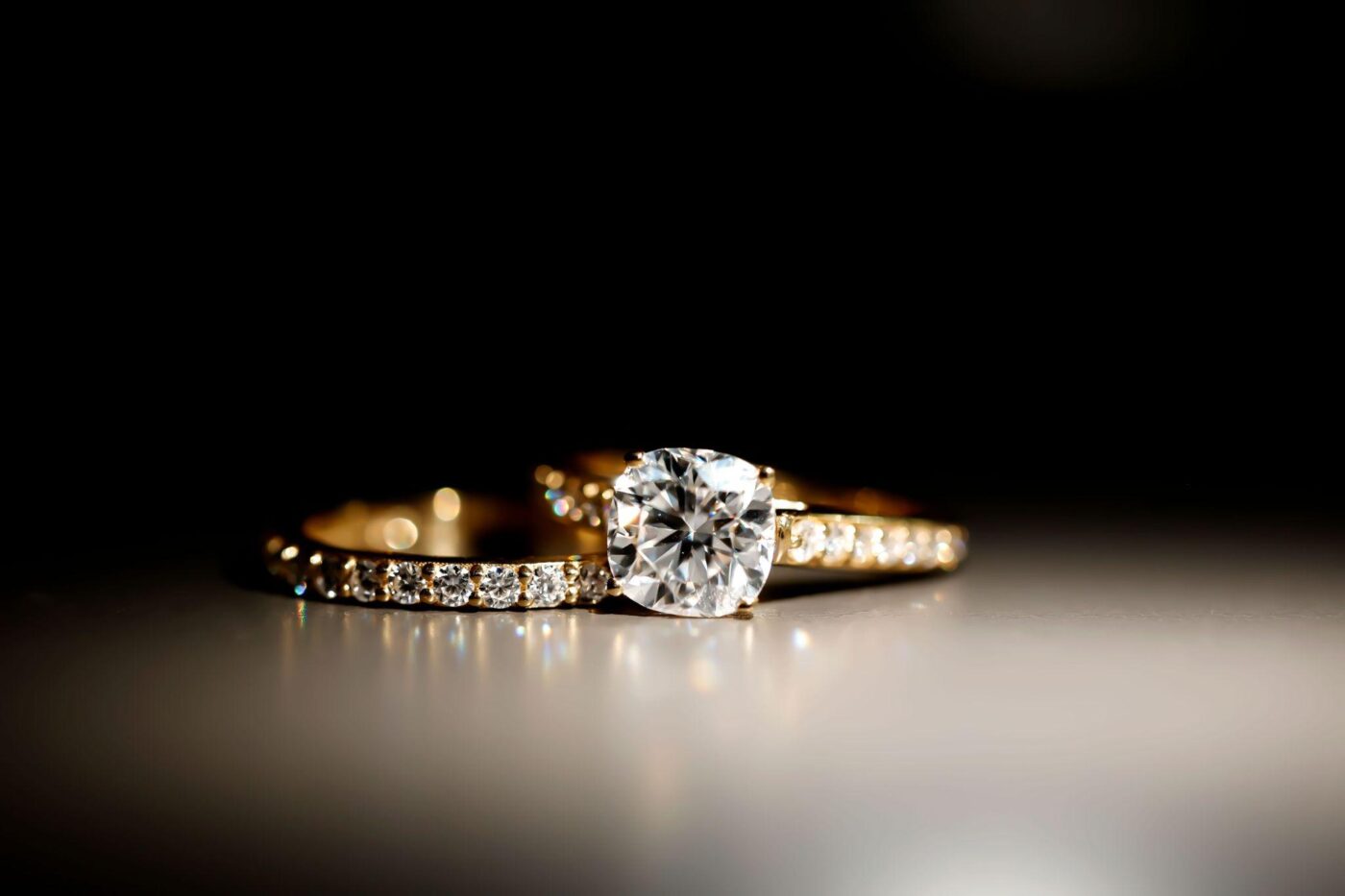
A lab-grown diamond engagement ring sits on your finger, looking the same. Passes every diamond tester. Gets GIA certified. Gets appraised. Gets inherited.
It is a diamond. Science said so.
So, Why Does Everyone Still Feel Weird About It?
Honestly? Marketing.
For over a century, the diamond industry sold us one story:
- Diamonds are rare
- Rare means expensive
- Expensive means love
It was a brilliant campaign. We bought it — literally.
But the “rarity” was always controlled. The pricing was always managed. The emotional value was real — but it got attached to scarcity that was, let’s say, constructed.
Sound familiar? As it happens, we were already nested inside someone else’s version of a world hellbent on mimicking reality.
Here’s Where It Gets Interesting
Lab-grown diamonds didn’t just replicate a diamond. They have:
- Same grades
- Same certification
- Same finger
- Wildly different price
That gap means couples are upgrading from a half-carat to a full carat. From a simple solitaire to a halo setting. From a “we can almost afford this” moment to a “let’s actually get what we love” moment.
That’s not a compromise. That’s a win.
But Does It Mean Less?
This is the question people whisper.
If it didn’t take billions of years to form… does the ring mean less when you give it?
Here’s our honest take:
- The meaning of a ring was never in the geology. It was always in the person giving it, the moment it happened, and the relationship it represents.
- A lab-grown diamond ring doesn’t come with less love. It comes with less markup.
- And in 2026, giving someone a stunning, ethical, thoughtfully chosen diamond — knowing exactly what you were buying — might actually mean more.
The Replication That Actually Got It Right
Here’s the thing about our obsession with replicating reality.
Most copies lose something. Oat milk doesn’t quite taste the same. Streaming killed the spontaneity of flipping channels. AI art misses the human accident that makes great art great.
Somewhere in the replication, the soul leaks out.
But lab-grown diamonds? Nothing leaked.
All of the characteristics that made a diamond a diamond — hardness, brilliance, fire, durability — are there. Science didn’t approximate nature here. It echoed it, atom for atom.
We’ve Always Mimicked What We Admired
Think of your grandma’s recipe, written down on a tattered, tiny sheet of paper.
Another clone whenever someone breaks through the noise. A copy. Sitting around that dinner table, though none of us loves the 4th quarter any less. Nobody goes, ” Oh, this is not the real McCoy. Because it is not about the actual pan or the actual kitchen at all.
And that was the reasoning behind it.
And therein lies the beauty of lab-made diamonds.
And if a guy gets down on one knee with a lab-grown diamond ring? The magic is no less real. The tears aren’t less real. The yes isn’t less real.
We have always duplicated what is important to us. Recipes. Traditions. Music played at weddings that was played at weddings 50 years earlier. We pass things down by re-creating those things — and the love in that re-creation is the story.
The energy of a diamond made in the lab. Something beautiful, recreated with intention. Not to fake it — but to make it, make it better, and make it available to more people in a way that it matters.
That’s not a knockoff.
That’s how humans have consistently preserved the good stuff.
The Bottom Line
Here’s what we know for sure:
- As its name suggests, a lab-grown diamond is a diamond.
- They are 50–70% less expensive than mined ones.
- These certification, grading, and appraisal types
- The fastest-growing segment of the fine jewelry market as of now
We’re not exactly forcing people into a corner at gunpoint here. Still, to avoid lab-grown like the plague while shopping for a diamond in 2026 would be to leave a whole lot of bang for your buck on the proverbial table.
Our Take
The world is full of replicas pretending to be real.
Lab-grown diamonds are different. They’re not pretending. They ARE real — just made smarter, available to more people, with more transparency than ever before.
That’s not an obsession with faking reality.
That’s finally being honest about it.