

Feeling better at home does not always require more products, more appointments, or more energy use. In many homes, the biggest gains come from a few smart changes, better light, better heat, and recovery tools that fit into daily life without turning the house into a high-consumption wellness zone.
Three practical upgrades stand out. The first is using smart lighting to support focus in the morning and calmer evenings. The second is building a simple contrast therapy routine with heat and cold for recovery. The third is choosing home wellness systems that use less power, last longer, and rely on safer materials.
That shift matters because more people now want wellness tools that help the body without adding unnecessary strain to the home, the budget, or the environment. A well-designed home setup can support better sleep, lower stress, and more consistent physical recovery, while also using less energy than older, more wasteful systems.
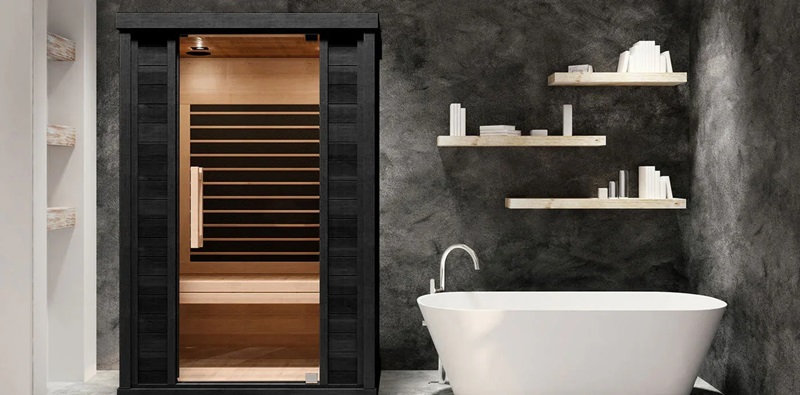
For people building that kind of space, the best tools tend to do two things well. They support everyday well-being, and they make practical sense over time. For example, well-built infrared saunas for homes use direct heat rather than heating large amounts of air, which can reduce power use while still delivering a solid heat therapy session.
Make your home feel calmer and more mentally clear
Mental well-being often starts with the basics. Light, sound, and routine shape how a home feels, especially when work, rest, and recovery all happen under the same roof.
One of the easiest upgrades is circadian lighting. Cooler light in the morning helps the brain feel alert. Warmer light at night helps the body slow down. That sounds simple, but in practice it changes the rhythm of a day. A room that supports focus at 8 a.m. should not feel the same at 9 p.m.
Paired with soft audio, like ambient sound, guided breathing, or quiet music, lighting can help create clearer boundaries between work time and recovery time. This matters most for people who feel mentally “on” all day and never fully switch off.
Heat therapy adds another layer. Infrared heat works by warming the body directly, instead of just heating the air around it. Many people use that warmth as part of a decompression routine at the end of the day. It creates a physical pause, not just a mental one.
Some indoor sauna setups also include features like color lighting and built-in audio. Used well, those extras are not decoration. They help turn a quick heat session into a more intentional ritual, one that marks the difference between being busy and actually winding down.
The real value here is not novelty. It is the boundary these tools create. When a home gives you a reliable way to shift from pressure to recovery, mental fatigue becomes easier to manage.
Support physical recovery without leaving home
For active people, recovery works better when it is easy to repeat. If the setup is too far away, too expensive per session, or too hard to fit into a normal week, consistency usually falls apart.
That is why home recovery tools have become more appealing. A simple device like a massage gun helps, but temperature-based recovery often offers a more complete routine. Heat helps loosen the body. Cold helps create a sharp reset. Used together, they can make recovery feel more structured and easier to stick with.
Infrared heat is popular in this space because it warms the body in a more direct way than standard room heat. Full-spectrum models are often built to deliver a broader range of wavelengths, which many buyers look for when they want deeper, more even warmth after exercise or long workdays.
Some units also include red light features. People usually choose these setups because they want fewer separate devices taking up space. That matters in real homes, where wellness gear can quickly turn into clutter.
Cold immersion completes the cycle. Going from heat to cold creates a strong contrast that many people use after training, physically demanding work, or long stretches of sitting and stiffness. The appeal is not only the recovery effect. It is also the convenience of having the full routine on your own property, on your own schedule.
Safety still matters. Not all home saunas are built to the same standard. If you are comparing products, check for third-party testing, low EMF and ELF claims backed by documentation, and materials that are clearly described. Daily-use wellness equipment should feel trustworthy, not vague.
Cut power use with better wellness design
Home wellness is not only about how a tool feels during use. It is also about what it demands from the house over time, power, materials, maintenance, and lifespan all count.
Some of the simplest upgrades are still the most useful. Smart thermostats help control heating more precisely. Occupancy sensors stop rooms from being heated, cooled, or lit when nobody is there. LED lighting uses less electricity and lasts longer than older bulbs. None of that is flashy, but it adds up.
Heat therapy systems are worth looking at closely because they can draw a lot of energy if they are poorly designed. Infrared systems appeal to many homeowners because they use direct radiant heat and usually reach operating temperature faster than traditional steam-style setups. That makes sessions easier to fit into daily life, and often reduces wasted warm-up time.
Materials matter too. A wellness product that lasts for years usually creates less waste than one that needs frequent repair or early replacement. Better timber, stable construction, and thoughtful assembly all matter here. When brands talk about durability, moisture resistance, or precision fit, those details affect both product life and resource use.
Good design also reduces unnecessary installation waste. Some units are built in a way that simplifies setup and avoids excess hardware or messy structural work. Over time, that kind of restraint often leads to fewer repairs and a cleaner ownership experience.
There is also the cost side. Some buyers use HSA or FSA funds for qualifying wellness equipment through approved payment pathways. That does not change the product itself, but it does affect whether a long-term home setup feels financially realistic.
Frequently Asked Questions
Are infrared saunas more energy-conscious than traditional saunas?
In many cases, yes. Infrared systems heat the body more directly and usually warm up faster than traditional steam-style saunas. That often means lower power use per session, especially in homes where shorter, regular sessions make more sense than long preheating times.
Is it safe to use an infrared sauna as part of a regular home routine?
A well-built unit designed for home use can fit into a regular recovery routine. Product quality matters. Look for clear safety information, tested electrical standards, low-toxin materials, and documented EMF or ELF claims where relevant. Users should also follow session limits, stay hydrated, and check with a healthcare professional if they have underlying medical concerns.
Can you pair an infrared sauna with a cold plunge at home?
Yes. Many people use heat and cold together as a contrast therapy routine. The basic idea is simple, warm the body, then expose it to cold for a brief reset. A home setup makes that routine easier to repeat without relying on a gym, spa, or clinic schedule.
The bottom line
A better home wellness setup does not need to be excessive. In fact, the most useful upgrades are often the ones that fit quietly into daily life. Better lighting can improve the tone of a day. Heat and cold can make recovery more consistent. Lower-energy systems and longer-lasting materials can make those habits easier to live with over time.
That is the real appeal of sustainable wellness at home. It supports the body, respects the space, and avoids the waste that often comes with trend-driven self-care. When the tools are chosen well, feeling better and using less do not compete with each other. They work together.