

Quick Answer: Are Cashews Good for You?
Yes, Cashews really are a good for you when you eat them in moderation. Theyre one of the worlds most popular tree nuts – and no wonder. Theyve got a rich mix of healthy fats, plant protein and essential minerals that can help support heart health, give you energy and generally just make you feel like youre eating something good for you. So go ahead, eat a few of them – but not too many.
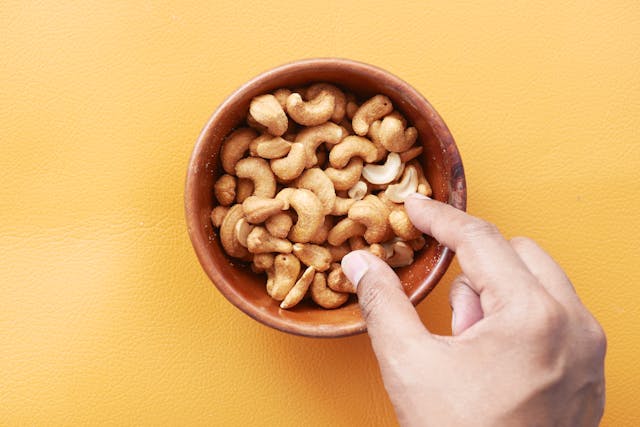
Cashews are a healthy choice – as long as you eat them in moderation. Theyre got unsaturated fat, plant protein, copper, magnesium, iron, zinc and other minerals. And if youre wondering how many to have, well the general rule of thumb is – a small handful. Which is roughly about an ounce. Raw or dry-roasted cashews are usually the best options if you want to make them a regular part of your diet.
Cashew Nutrition Facts
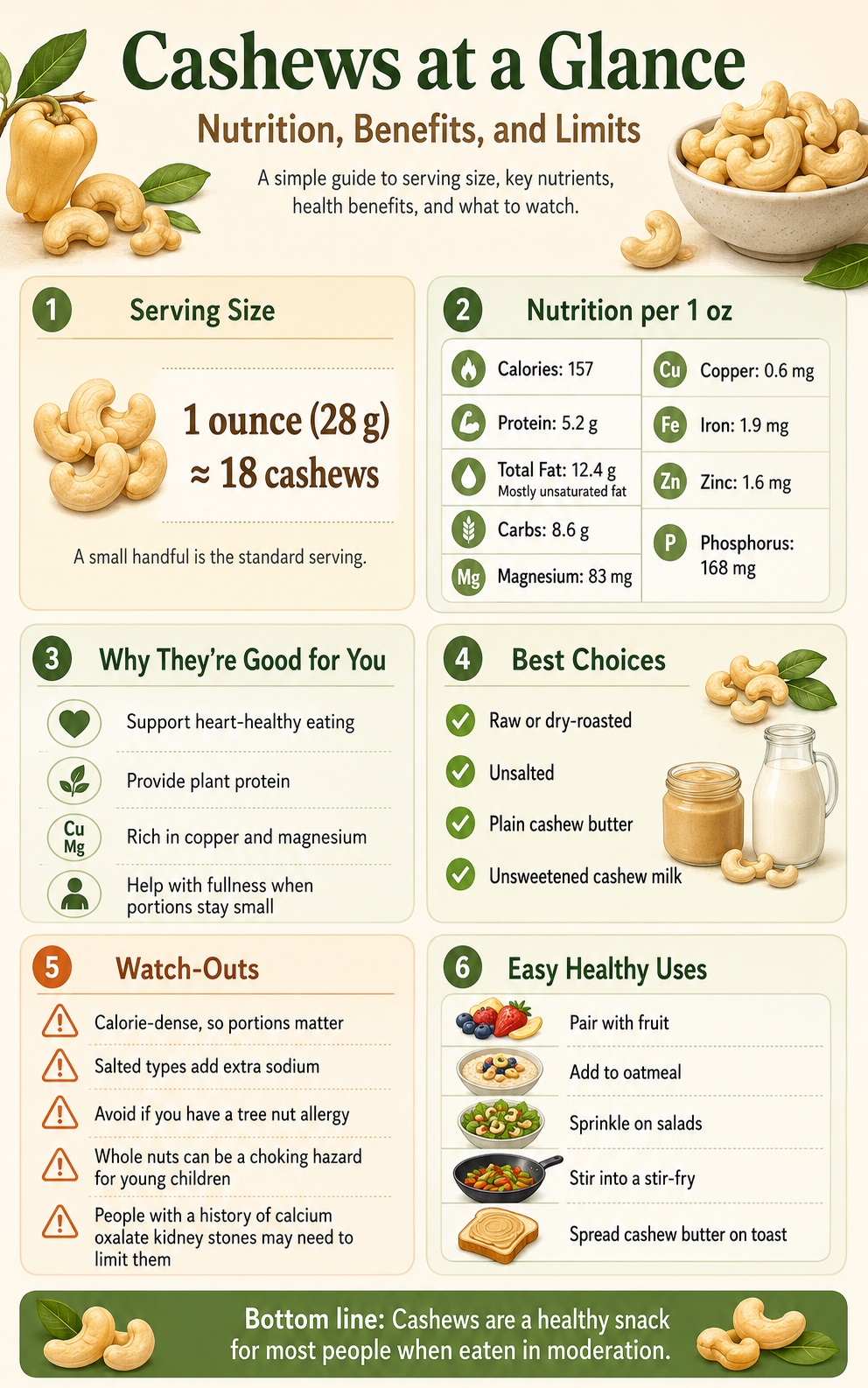
A 1-ounce (28g) serving of cashews — roughly a small handful — delivers a well-rounded nutrition profile:
| Nutrient | Amount per 1 oz | Why it matters |
| Calories | 157 kcal | Provides sustained energy |
| Protein | 5.17 g | Supports muscle repair and satiety |
| Total fat | 12.43 g | Mostly heart-healthy unsaturated fat |
| Carbohydrates | 8.56 g | Moderate; lower than many snack foods |
| Fiber | ~1 g | Supports healthy digestion |
| Iron | 1.9 mg | Helps red blood cells carry oxygen |
| Potassium | 187 mg | Supports fluid balance and muscle function |
| Magnesium | ~83 mg | Important for nerve and muscle function |
| Copper | ~0.6 mg | Helps the body use iron; supports tissue health |
| Zinc | ~1.6 mg | Supports immune function |
| Phosphorus | ~168 mg | Important for bones and teeth |
Most of the fat in cashews is unsaturated — predominantly oleic acid, the same type found in olive oil — which is associated with improved cardiovascular health.
What Makes Cashews So Healthy?
Heart-healthy fats
You might be relieved to hear that cashews dont contain much saturated fat at all, and no cholesterol at all. The American Heart Association recommends eating a bit of unsalted nuts or seeds every day as part of a heart-healthy diet – because theyre just so good for you. And research from Harvard suggests that eating nuts regularly can lower your risk of heart disease – so you know what that means.
Important minerals
Now cashews do stand out when it comes to copper and magnesium. Those are two minerals that a lot of people dont get enough of. Copper does all sorts of good stuff – like supporting iron levels and helping your body repair itself. And magnesium is involved in something like 300 different things that your body does every day – including things like keeping your muscles in working order and regulating your blood pressure.
Plant-based protein
Cashews also contain about 5 grams of protein per ounce, which really makes them a useful snack if you follow a plant-based diet. Theyre a great way to get a bit of protein in.
Satiety and Snack Replacement
The reason cashews are so good for you is partly because they contain both fat and protein – so they take a bit longer to digest, and they help you feel full for longer. And if you swap out your usual junk food snacks – like chips or cookies – with a handful of cashews, youll be adding a bit of real nutrition to your diet.
You may interested to read: Ginger Chews: Are They Good for You?
How Many Cashews Should You Eat Per Day?
The general rule of thumb is to eat 1 ounce of cashews, which is roughly about 18 whole cashews or a small handful. That’s the advice from the American Heart Association and most other nutrition experts for tree nuts. One ounce provides about 157 calories, so it is easy to overdo it – especially if you just keep pouring them out of a bag. But just remember what a real serving size looks like.
And you know the best thing about cashews? They fit in really well with a daily diet when they replace less nutritious snacks. So try pairing them with a piece of fruit, and youll have yourself a really well-balanced snack with a bit of fat, a bit of protein, some fibre and all the vitamins and minerals you need.
What Makes Cashews Healthy – A Nutritional Powerhouse
Heart-healthy Fats – A Key Component
Cashews are almost cholesterol free and contain very little saturated fat. If you’re following the American Heart Association’s advice on healthy eating you’ll want to try to eat about an ounce of unsalted nuts or seeds every day. Nuts are packed with beneficial fats, protein and fibre which all combine to form a heart-healthy diet. Its no wonder that research carried out by the Harvard T.H. Chan School of Public Health has shown that people who regularly eat nuts have a lower risk of heart disease compared to those who hardly ever eat them.
A Rich Source of Essential Minerals
Cashews are particularly high in copper and magnesium – two minerals that are unfortunately often in short supply in our diets. Copper plays a vital role in iron metabolism and helps the body repair damaged tissue. Magnesium, on the other hand, is involved in over 300 different enzymatic processes in the body, including muscle function and blood pressure regulation. Other essential minerals found in cashews include zinc, iron, phosphorus and potassium.
Cashews as a Plant-based Protein Source
With around 5 grams of protein per ounce, cashews are a great way to contribute to your daily protein intake – especially useful for people following a plant-based diet. Because they are digested slowly, they also help to keep you feeling fuller for longer.
The Benefits of Replacing Chips and Cookies with Cashews
Instead of reaching for unhealthy snacks like chips or cookies, try reaching for a handful of cashews instead. They contain both fat and protein, which makes them much healthier than refined carbohydrates and added sugar. Plus, theyre much easier to digest.
How Many Cashews Should You Eat Per Day?
The recommended portion size is 1 ounce of cashews which is roughly 18 whole cashews or just a handful. This is the amount recommended by the American Heart Association and most other health guidelines for tree nuts. One ounce of cashews provides around 157 calories so be careful not to overdo it – as its all too easy to pour handful after handful of cashews without realising how many calories youve taken in.
A Balanced Snacking Habit
Cashews make a great snack when they replace less nutritious foods – and combining them with a piece of fruit makes for a snack that is truly balanced, with a mix of fat, protein, fibre, vitamins and minerals.
Are Cashews Actually Nuts?
Heres a fun fact: cashews are technically seeds – they grow at the bottom of the cashew apple fruit. However, in the nutrition world and in food allergy contexts they are classed as tree nuts. This is important to know if you have a tree nut allergy.
It turns out that being allergic to one type of tree nut does not necessarily mean you are allergic to all tree nuts – but cashews and pistachios are closely related and cross-reactivity between them is quite common.
Cashews vs. Other Nuts: How Do They Compare?
| Nut (1 oz) | Calories | Protein | Fat | Key nutrients |
| Cashews | 157 | 5.2 g | 12.4 g | Copper, magnesium, iron |
| Almonds | 164 | 6 g | 14 g | Vitamin E, calcium, fiber |
| Walnuts | 185 | 4.3 g | 18.5 g | Omega-3 fatty acids |
| Pistachios | 159 | 5.7 g | 12.9 g | Lutein, B6, potassium |
| Peanuts | 161 | 7.3 g | 14 g | Folate, niacin, resveratrol |
Cashews are not “the best” nut — they each bring something different. Cashews stand out for their copper and magnesium content. Almonds lead on vitamin E and fiber. Walnuts are the richest source of plant-based omega-3s. Eating a variety of nuts across the week gives your diet the broadest range of nutrients.
The Amazing Health Benefits of Cashews
Lowering Cholesterol & Reducing Your Risk
A diet that swaps out fried foods or sugary treats for unsalted nuts like cashews will leave you with lower LDL (“bad”) cholesterol and a lower cardiovascular risk in no time – and that’s especially true if you replace foods that are basically just saturated fat or sugar with some crunchy cashews. Plus cashews are a good fit for heart-healthy eating because they’re nice and low in saturated fat and full of oleic acid.
Keeping Your Bones & Joints Healthy
Cashews are a rich source of magnesium, phosphorus, and copper – and all three of those are super important for keeping your bones nice and healthy. Your bones are like scaffolding and magnesium and phosphorus are sort of like the building blocks – they help make bone tissue.
Keeping Your Immune System in Check
Zinc is basically the ultimate immune system superstar. A single ounce of cashews gives you a whop of almost 10% of the daily recommended amount of zinc for adults – so you can bet it’s doing its thing for you.
Giving You Energy & Keeping Your Blood Flowing
Cashews are a decent source of iron which – as you probably know – means they can help make red blood cells that carry oxygen. And to make sure that oxygen is delivered where it needs to go – they also contain copper.
Getting a Good Nights Sleep
Many moons ago we found out that cashews contain magnesium which plays a big role in helping to get your sleep on track. They also contain a wee bit of tryptophan which the body likes to use to make serotonin and melatonin – those are basically the “help you sleep” hormones.
Raw, Roasted, or Salted: Which Cashews Are Healthiest?
| Type | Best for | What to watch |
| Raw cashews | Everyday snacking, cooking, soaking | Still calorie-dense |
| Dry-roasted (unsalted) | Flavour and crunch without added oil | Check the label for hidden salt |
| Dry-roasted (salted) | Occasional snacking | Higher sodium content |
| Honey-roasted | Treat or dessert | Added sugar |
| Chocolate-covered | Dessert | Significantly more sugar and calories |
| Cashew butter | Toast, sauces, smoothies | Easy to overeat; check for added oils/sugar |
| Cashew milk | Dairy-free cooking and drinks | Often low in protein; check for fortification |
Raw and dry-roasted unsalted cashews are the best everyday choices. They provide full nutrition without added sodium or sugar.
Note: Cashews sold as “raw” in shops are almost always steam-treated to remove urushiol — a naturally occurring compound in the cashew shell that can cause reactions. Truly raw cashews are rarely sold commercially.
Reading the label
When buying cashews, check:
- Serving size (usually 1 oz for whole cashews)
- Sodium content (aim for under 140 mg per serving for a “low sodium” option)
- Added sugars
Ingredient list — plain cashews should list only “cashews,” possibly with salt
Risks and Considerations
Calorie Density
Cashews pack a pretty intense punch when it comes to calorie content – coming in at 157 calories per ounce they can quickly add up if you’re not careful. You don’t have to write off cashews as unhealthy – just be mindful of your portion sizes, particularly if you’re trying to keep an eye on your weight.
Sodium in Salted Varieties
Unsalted cashews are basically a sodium-free zone, but throw some salt in the mix and you’ve got a different story. Heavily salted cashews can contribute to your daily sodium intake pretty quickly. The FDA recommends keeping sodium intake to 2,300mg per day – if you’re one of the ones watching your salt levels or have high blood pressure, it’s probably a good idea to stick with the unsalted variety.
Tree Nut Allergy
Cashews are a bit of a common allergen, so if you’re someone who’s already got a cashew or tree nut allergy you’ll want to steer clear unless your allergist gives the thumbs up. And if you do end up eating cashews and experience any kind of reaction – whether it’s itching, swelling, or just plain old difficulty breathing, get to a doctor ASAP.
Oxalates
Cashews contain oxalates – these are a bunch of naturally occurring compounds that turn up in all sorts of plant foods. Most people don’t have to worry about them, but if you’re one of the unlucky ones who’s got a history of calcium oxalate kidney stones, it’s a good idea to have a chat with your doctor about how much is safe to eat.
Whole Cashews and Young Children
Whole nuts – like cashews – are just plain old choking hazards for little kids so you’re best off sticking to cashew butter or a finely ground version depending on the age and maturity of your child. It’s always a good idea to run any food changes by your kid’s paediatrician anyway.
Are Cashews Good for You Every Day?
Generally speaking – for most adults, having an ounce or two of unsalted cashews a day is a pretty healthy habit. Just bear in mind that cashews work best as part of a varied diet that’s got a good mix of different foods – other nuts, seeds, fruits, vegetables, legumes and some whole grains.
Here are some easy ways to get your cashew on:
- Sprinkle a few on your oatmeal in the morning
- Pair them with an apple for a little snack
- Throw them on a salad
- Stir in some chopped cashews to a stir-fry
- Use cashew butter as a spread or whack it in a smoothie
And as a rule of thumb – try to mix up your nuts across the week – almonds, walnuts, pistachios, peanuts – that kind of thing. It gives your diet a bit more depth and helps you get a bit more variety of nutrients.
Are Cashews Good for People With Diabetes?
Plain cashews can fit fairly easily into a diabetes-friendly diet if you’re careful with how many you eat. They’re mostly high in unsaturated fat, contain a bit of plant protein, and not a lot of carbs – a combination that makes them a better snack choice than sweets, biscuits or even trail mix with added sugar.
A single 1-ounce serving of cashews – which is roughly 18 nuts – will give you 157 calories, 5 grams of protein, 12 grams of fat and 9 grams of carbs. The thing is though – portion size really does matter. Because cashews are so dense in calories, eating a handful or two can add a surprising number of extra calories and carbs to your day.
The best option of course is plain unsalted cashews – try to steer clear of honey-roasted, chocolate-covered or sugar-coated ones as they just add to the problem of managing blood sugar levels. And while salted cashews are not the worst thing in the world, if you’re someone watching blood pressure (and that’s often the case for people with diabetes) then it’s probably best to avoid them too.
In practice, cashews work best as part of a balanced snack. You know-a handful of cashews with a high-fiber food like an apple, some berries or a bit of plain greek yoghurt. That way you’re getting a mix of fat, protein and fibre which will give you a more even energy release than a sugary snack.
But remember – if you have diabetes, it’s always a good idea to get advice from your doctor or dietitian, especially if you’re counting carbs, following a diet that’s friendly to your kidneys or just generally trying to limit the amount of calories or sodium you consume. Cashews are a healthy snack, but they’re not a magic fix for diabetes.
Frequently Asked Questions
Are cashews good for you? Truth is, yes cashews can do you some good. They contain a lot of healthy unsaturated fats, plant protein & some important minerals such as copper, magnesium, zinc & iron. Be sure to get ’em in a small amount – a 1 ounce serving size & choose the unsalted, minimally processed kind.
How many cashews are you supposed to eat in a day? About 18 whole nuts, that’s roughly a 1 ounce serving size or a small handful of cashews. This is gonna give you around 157 calories, 5 g of protein, and 12 g of mostly unsaturated fat.
Can cashews help with weight loss? Well, cashews can be part of a healthy calorie-conscious diet. Their fat & protein content can help keep you fuller up & reduce overall snacking. Just be aware that they are quite calorie-dense so stick to that 1 ounce serving.
Are raw cashews better than roasted? Realistically they are pretty similar , raw cashews have kept a tad more nutrients cos they’re not cooked as long , but it’s not like it makes a huge difference . The thing to really watch out for is all the added junk like salt, sugar or oil – so plain raw or dry-roasted cashews are a good bet for a daily snack.
Are salted cashews bad news? Salted cashews arent gonna kill you but watch out if you’ve got blood pressure problems or are trying to keep the sodium down. Unsalted cashews are a better default if you ask me.
Can cashews help your heart? Yeah, plain unsalted cashews are good for heart health. They’ve got mostly unsaturated fat, no cholesterol, and some decent amounts of minerals that are good for your cardiovascular system. So if you are snacking on something with a lot of saturated fat or added sugar, you might want to try cashews instead.
Are cashews good for people with diabetes? Well, plain cashews do have a relatively low glycaemic index so they can be part of a diabetes-friendly eating plan in moderation. Just avoid the ones with added sugar – honey-roasted or whatever. And always check with your doctor or dietitian for some specific advice.
Do you get protein from cashews? Yes you do. One ounce of cashews packs about 5.17 grams of protein.
Can I eat cashews every day ? Generally – for most adults yes, you can. A single 1-ounce serving of unsalted cashews a day is a nice fit into a balanced diet, but people with tree nut allergies, a history of kidney stones or specific medical conditions should probably check in with a doctor.
Do cashews have anti-inflammatory properties? Cashews have got some stuff going on that might help lower inflammation, such as magnesium and unsaturated fats. It’s the kind of thing you’d find in a Mediterranean diet. But let’s be clear – cashews on their own arent going to cure or treat inflammation.
Are cashews safe for my children? Whole cashews are basically just a choking hazard for little one’s, so its best to either serve cashew butter or finely grind your cashews for when your child is old enough, and has been cleared by their paediatrician to have nuts.
Is cashew butter a healthy choice? Cashew butter can be a good option – just look for products that havent got loads of added salt, sugar or oil and ideally just have cashews on the ingredient list.
How healthy is cashew milk? Cashew milk is pretty low in calories and can be a good dairy-free alternative, but most brands dont have much protein compared to cow or soy milk, so just go for the unsweetened versions and maybe check if theyre got calcium and vitamins in there.
When is the best time to eat cashews? Honestly, theres no one best time – cashews can be a good mid-morning or afternoon snack, or you can sprinkle them on top of meals, or just add them to your recipes. Just bear in mind its the amount you eat that matters more than the time of day.