


Every single time we search for something, watch a video or store an email, a sliver of energy is used and is funneling through all those data centers, transmission networks and in our own hands. It’s easy to overlook the environmental impact of technology because it all just sort of fades into the background but the internet’s carbon footprint is a very real thing. The good news is that by making a few small, deliberate changes to how you approach your digital life, you can actually start to make a difference that you can see.
Why Does Your Digital Life Carry Such a Real Environmental Stakes
The Environmental Cost of the Internet and Your Gadgets
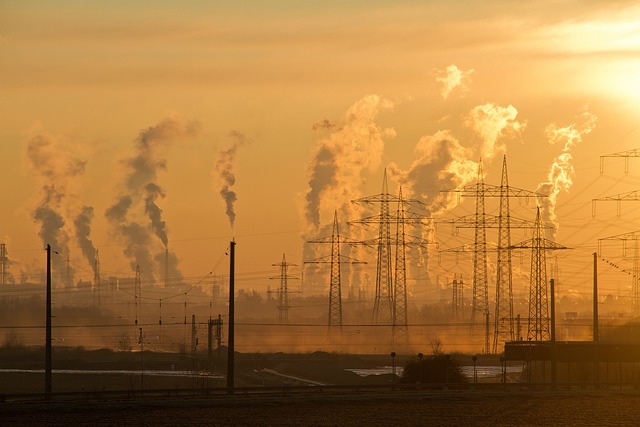
The thing is digital activity isn’t exactly weightless – the digital sector already accounts for a pretty big chunk of global greenhouse gas emissions and that’s just going to keep on climbing as more and more services go online. Every time you load a website, or upload a file to the cloud, there’s a whole army of servers running 24/7 behind the scenes. And it’s not just that either – manufacturing your phone or laptop needs tonnes of raw materials, water and energy – so there’s an environmental cost there even from the day it’s first switched on.
E-Waste: The Hidden Environmental Cost of Digital Spending
When we chuck out devices carelessly, they suddenly become a source of environmental pollution. The reality is that millions of tonnes of e-waste are generated every single year – and a huge amount of that never gets recycled properly. The root of the problem is basically a culture of constant upgrades and chucking devices out because they’re no longer fashionable. Proper electronic sustainability starts by recognising that every single device you own carries environmental consequences right the way through its lifetime.
How AI, Streaming & Cloud Storage Are Up the Environmental Stakes
The growing use of AI tools, super high resolution streaming, and cloud storage has all combined to push digital energy demands to an all time high. From generating responses to AI queries to storing years of old files, every interaction you have online is contributing to the energy consumption across those global data centers. Understanding how these services are eating into your carbon footprint is the very first step to changing those habits over time.
What Does Digital Sustainability (and Why Should Everyday People Care)
Digital sustainability is about making conscious choices about technology to reduce your environmental impact – and that’s a catch all term that covers your energy consumption, browsing habits, device longevity and right through to responsible disposal. In practice that might mean – don’t bother streaming in 4K unless you really have to, be a bit more careful about duplicating files, or just stick with one device a bit longer before buying a new one because it’s the latest thing. When loads of people start making those small tweaks consistently, we can begin to see real change take place in how industry operates and reduces its resource consumption.
Lowering Your Digital Carbon Footprint at Home
Streaming & Browsing Smarter
You can make a difference by streaming in lower resolutions, shutting down any tabs you’re not using, and turning off autoplay. If you can, use Wi-Fi instead of mobile data as it’s a more energy-efficient option. And, by using privacy-focused browsing tools, you can cut down on unnecessary tracking and background activity which is just burning energy and using up bandwidth.
Using a good quality privacy-focused free vpn can also help you be more mindful of your browsing habits. Services that put user privacy first, are more secure, and are transparent about what they’re doing can help you avoid all that annoying ad tracking and data collecting that just adds to the digital noise. Because these tools are all about common sense tech practices and making browsing more efficient, they fit right in with a more considered, more sustainable digital lifestyle. By choosing services that are all about the long game – keeping things efficient, keeping things private – you can cut down on wasteful browsing without losing out on anything.
Cleansing Your Inbox & Cloud Storage
Your email inbox is costing the planet in ways you never think about. All those big files, duplicate pics, and years of unread emails are keeping data centres open 24/7. Now, it’s easy to do something about it – just delete what you don’t need, unsubscribe from all those newsletters you never read, and get a bit more mindful with how you use cloud storage. It takes 10 minutes max to give your inbox a deep clean, and if you do it regularly, it all adds up.
Knocking Down Unnecessary Energy Use from Devices
Savvy power-saving skills, like unplugging chargers you’re not using, turning off your devices at night instead of just leaving them on standby… these are the sort of simple wins that can really make a difference. Loads of people don’t even know how much energy is just getting quietly sucked up by their idle devices. Nipping a few daily habits in the bud can cut unnecessary power use in an instant and has the side benefit of making your devices last longer too.
Making Your Gadgets Last Longer to Cut Down on Waste
Why Buying Less Makes More Sense Than Recycling
Recycling’s a must – but it’s only half the story. Making a brand new device from scratch is always going to use a whole lot more energy and resources than the recycling process can ever claw back. If you want to genuinely cut down your environmental impact through tech, there’s a simple rule: buy less, hold onto what you’ve got. Not upgrading when you don’t need to cuts out demand for all the resource-heavy manufacturing and just keeps all the waste at bay.
Tackling Old Electronics: Repair, Resell, and Dispose Responsibly
First off, before you go out and buy a shiny new device – take a minute to see if your old one can still be fixed. Cracked screens, dodgy batteries and low storage might all be simply fixable with a bit of TLC, without breaking the bank. Passing on a working device is not only a nice way to give something new to someone but it also keeps it out of the landfill for a bit longer. And when it really is the end of the line, use a proper e-waste recycling program – that way the nasty stuff inside gets dealt with, rather than just chucked in some back alley.
Using Tech to Guide Better Choices
Keeping Your Data, Saving Your Planet
Don’t get me wrong, tech can be a big polluter – but it’s also got the potential to make your life more sustainable. Using search engines that care about your privacy, blocking ads, and using lightweight apps means you’re not constantly transferring unnecessary data around. That’s just the beginning – tools like local repair finders, ‘green’ product discoverers and energy use trackers can all help you make better choices, with less effort.
Going Digital, Going Green – Smaller Footprint, Simpler Life
Changing to digital paperwork, and ditching bills on paper is just one of those quiet changes that will, over time, start to make a real difference. Smart home tech can be a game-changer, too – get it right, and you can have a house that barely uses any energy at all, without feeling like you’re living in some kind of space-age bunker. And then there are the online platforms that let you compare the environmental impact of all the things you buy – that’s got to make it easier to spend with your values, rather than just your wallet.
Building Sustainable Digital Routines
The thing with new habits is, they last a whole lot longer when they’re woven into your normal routines rather than just being some special project you do every now and then. Clear out your cloud storage each month, give your device a quick tweak to make it go faster, or – just swap out an old habit for a new one when you switch devices. None of this has to be a chore – it’s just being a bit more mindful, and before you know it it’s just normal.
Small Digital Changes, Measurable Environmental Impact
The options for reducing your carbon footprint through digital choices are more accessible than most people assume. Streaming more efficiently, holding onto devices longer, storing only what you actually need, and using technology to inform greener decisions can all contribute to real environmental progress at scale. No single action fixes everything, but when millions of people make more deliberate digital choices, the collective impact becomes hard to ignore. Starting with one small habit is still starting.