

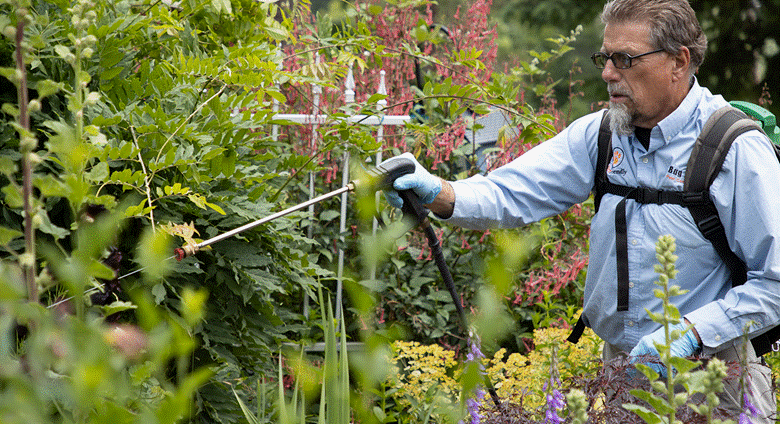

Three surprisingly simple tricks to end pests forever include using SMART sensor technology to monitor activity, applying natural mechanical deterrents, and sealing entry points.
These eco-friendly pest control methods prioritize prevention and targeted treatments over continuous chemical applications. By shifting from reactive spraying to sustainable living strategies, homeowners can effectively eliminate seasonal infestations.
Across the Willamette Valley and throughout Oregon, environmentally conscious residents often believe they must choose between a pest-free space and a safe environment. Fortunately, balancing safety with effective results is entirely achievable.
Resources exploring insights highlight how working alongside nature yields the best outcomes. The approaches outlined below form the foundation of modern, intelligent pest management.
1. Let SMART Tech Do the Watching
The smartest thing you can do about pests is stop guessing and start listening. Technology has made that easier than ever.
Sophisticated Monitoring and Response Technology (SMART) refers to connected sensor-based devices placed at key pest entry points. These sensors detect pest activity in real time and send alerts only when triggered.
This eliminates the need for daily inspections and routine calendar-based chemical applications. It also prevents wasted product in areas with zero activity.
This method is grounded in Integrated Pest Management (IPM), a science-backed framework prioritizing monitoring first and treatment only when warranted.
Utilizing SMART monitoring systems can reduce chemical usage by up to 70 percent compared to conventional blanket treatments. For homeowners, this is the ultimate solution. The sensors do the watching, and action is taken only when the data demands it.
In regions where wet winters reliably push moisture-seeking ants and rodents indoors, seasonal surges are predictable. A data-informed strategy ensures that interventions address the actual activity in your specific home. This works much better than relying on a generic regional timeline.
| Key Insight: Shifting from reactive calendar-based spraying to SMART sensor monitoring isn’t just less work – it can reduce unnecessary chemical usage in your home by up to 70 percent. |
2. Power Up Nature’s Own Defenses
Before synthetic formulas became standard, plant-based and mineral solutions were the primary defense against infestations. Modern research confirms these traditional approaches are highly effective and affordable. They also require minimal ongoing maintenance once deployed.
Food-grade diatomaceous earth (DE) is a highly effective deterrent made from fossilized aquatic organisms. As noted by experts, diatomaceous earth causes insects to dry out and die by absorbing the oils and fats from the cuticle of the insect’s exoskeleton.
Applying it along baseboards and window sills creates a quiet, long-lasting barrier. Research confirms diatomaceous earth is used in a variety of settings, including indoor applications for controlling bed bugs, fleas, cockroaches, and carpet beetles.
Derived from the seeds of the neem tree, neem oil interferes with an insect’s hormonal system. This safely disrupts their development and reproduction cycles. It is effective against soft-bodied insects and is classified as a biochemical pesticide. This makes it highly regarded for pet-friendly households.
Research supports the use of peppermint and cedarwood essential oils as natural deterrents. A diluted spray of roughly 10 to 15 drops per cup of water applied weekly creates a passive barrier.
Professional pest control services in Salem offer thorough application of eco-friendly solutions that ensure full interior coverage and exterior perimeter protection. This safely addresses obscure entry points and disrupts habitats completely.
| Important: Always ensure you are purchasing “food-grade” diatomaceous earth. Pool-grade versions undergo chemical processing and pose serious respiratory risks to humans and pets when used indoors. |
3. Build an Eco-Shield Around Your Home
Pest exclusion and habitat modification offer the highest long-term return for the lowest ongoing effort. If pests cannot get inside, they will simply move on. The surrounding property must offer no shelter or sustenance for them to thrive.
Inspect the home’s exterior for gaps around pipe penetrations, foundation cracks, and torn window screens.
Sealing these express lanes with caulk or steel wool provides passive protection that lasts for years. Installing door sweeps on exterior doors eliminates a common gap that ants and spiders easily navigate.
Pests are drawn by warmth, moisture, food, and shelter. Removing these attractors requires only minor adjustments to your daily routine. Store firewood at least 20 feet from the home and elevate it off the ground. Eliminate standing water in gutters and trim dense vegetation away from exterior walls.
Keep mulch layers thin near the foundation to prevent nesting zones. A pesticide-light environment naturally supports beneficial insects like ladybugs and ground beetles. These helpful predators consume common household pests and organically reduce pest pressure over time.
| Pro Tip: Installing a simple door sweep on exterior doors is the single most cost-effective trick to instantly block the main express lane for ants and spiders. |
What Defines a Modern Responsible Approach
For those who eventually seek professional support, evaluating a provider’s methodology is critical for maintaining an eco-conscious household.
The most reliable services prioritize scientific expertise over volume-based chemical spraying. They often employ specialists to design targeted, data-driven treatment plans.
A responsible pest strategy utilizes advanced botanical products that are strictly pet-friendly and family-safe. Exceptional providers distinguish themselves through attention to detail. Examples include permanent barrier systems for rodents and comprehensive wasp nest elimination.
This standard of care ensures that families do not have to compromise between safety and effectiveness. Transparent service models avoid locking homeowners into rigid contracts. Working alongside nature yields the best outcomes for long-term property protection.
| Quote: “You shouldn’t have to choose between a pest-free home and a safe environment. Modern, data-driven botanical treatments prove that working alongside nature yields the best outcomes.” |
Your Next Steps
You do not need to overhaul your entire property to start living pest-free. Implementing a few small adjustments can yield immediate results. Start by targeting the most vulnerable areas of your home.
- Dust entry points with food-grade diatomaceous earth, focusing on baseboards and thresholds.
- Mix a peppermint oil spray using 10 to 15 drops of essential oil per cup of water.
- Take a perimeter walk to inspect the foundation for cracks and gaps around pipes.
- Relocate firewood at least 20 feet away from the house to remove habitat attractors.
Eco-friendly and effective pest control are not mutually exclusive concepts. With the right tools and a smart preventative strategy, protecting your household requires surprisingly little effort. Taking action today secures a safer environment for tomorrow.