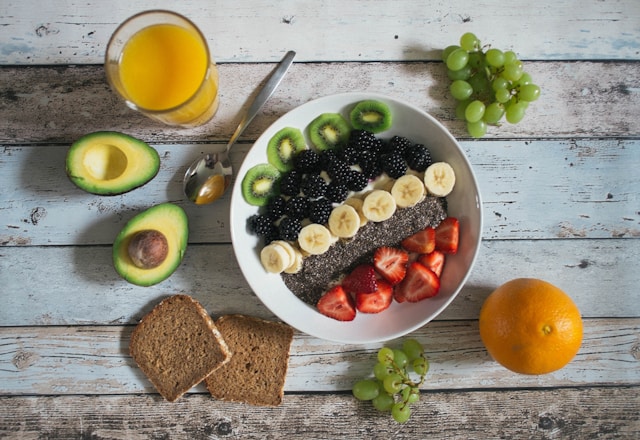

Photo by Jannis Brandt on Unsplash
Living a healthier life and living sustainably are often treated as two separate goals. But in reality, they’re deeply connected. The daily choices that support your physical and mental well-being, including what you eat, how you move, what you consume, and what you discard, can greatly shape your environmental footprint.
Building a lifestyle that’s better for both you and the planet doesn’t require extreme measures. It’s less about perfection and more about choosing habits that reduce excess, support balance, and can realistically last over time.
Start With Awareness, Not Restriction
Lasting change usually begins with awareness. Instead of cutting things out immediately, pay attention to patterns. How often do convenience foods replace home-cooked meals? How much of what you buy ends up unused? How many routines are driven by stress rather than intention?
This awareness applies equally to environmental impact and personal health. Overconsumption, whether of food, products, or energy, is often caused by the same reasons. This includes busy schedules, limited access, or decision fatigue. Recognizing these pressures helps you design solutions that work with your life rather than against it.
Eat in a Manner That Supports Both Health and Sustainability
Diet plays a major role in both personal well-being and environmental impact. Highly processed foods often require more resources to produce and often lack nutritional value. Shifting toward whole foods, seasonal produce, and simpler meals can reduce packaging waste while supporting better energy and digestion.
However, that doesn’t mean everyone needs to follow the same eating pattern. Some people cook daily, while others rely on structured plans or tools to stay consistent. There are also some individuals who explore different ways to manage nutrition and weight alongside environmental goals.
For instance, some turn to programs like Shed weight loss solutions, a telehealth-based weight loss company specializing in GLP-1 medications, as part of a larger effort to create healthier routines while simplifying decision-making around food. The key point isn’t the method itself, but the intention to reduce excess and build more mindful habits.
Move More, But Keep It Practical
Movement doesn’t need to be resource-intensive for it to be effective. Walking, cycling, stretching at home, or using public parks all support physical health without requiring energy-consuming facilities or equipment.
From an environmental perspective, choosing active transportation when possible, walking to nearby errands, or biking short distances, significantly reduces emissions while adding natural movement to your day. From a personal health standpoint, these forms of activity are often easier to maintain because they’re built into existing routines. Consistency matters far more than intensity, both for your body and for sustainable living.
Reduce Stuff, Reduce Stress
Clutter has an environmental cost long before it reaches a landfill. Every unused item represents resources extracted, manufactured, shipped, and eventually discarded. Reducing unnecessary purchases lowers demand and also creates a calmer living space.
Owning less also means managing less, which can help reduce stress and make healthy habits easier to stick with. Before buying something new, take time to ask yourself whether it truly adds value or simply satisfies a temporary want.
Design Habits That Can Last
One of the biggest mistakes that people make, both with sustainability and personal health, is trying to change everything at once. Radical overhauls tend to collapse under real-life pressure.
Instead, focus on your systems. Prepare a few reliable meals you can rotate. Choose reusable items you actually enjoy using. Create routines that can complement busy days, not just ideal ones. Sustainability and health both depend on habits that survive imperfect weeks.
Connect Individual Choices to Collective Impact
It’s easy to underestimate how small personal decisions can contribute to larger outcomes. When millions of people eat a bit less wastefully, drive a bit less, and buy a bit more intentionally, the impact on sustainability compounds. At the same time, personal health improves when routines are simpler, more balanced, and less driven by excess. The overlap between these goals is where meaningful change happens.
Endnote
Building a lifestyle that’s healthier for you and the planet isn’t about following a single blueprint. It’s about recognizing that well-being, both personal and environmental, comes from the same principles: moderation, awareness, and long-term thinking. When your daily choices support balance rather than extremes, you’re more likely to feel better, waste less, and contribute to a future that’s sustainable in every sense of the word.