

Making a home more efficient does not require big renovations or costly upgrades. Many of the best results come from small changes in how water and energy are used each day.
Water use and power use are closely linked. Heating water, running appliances, lighting rooms, and keeping homes comfortable all rely on the same resources. When waste is reduced—especially with hot water, appliances, and daily habits—homes use less energy, costs go down, and comfort stays the same.
Efficiency does not mean doing less. It means using what you already have in a smarter way.
Why Saving Water Also Saves Energy
Water and energy are often treated as separate issues. In reality, they work together.
Hot water needs energy to heat, store, and move through pipes. In many homes, water heating makes up 15–30% of total energy use. This makes it one of the easiest places to cut waste.
Using less hot water lowers both water and energy use at the same time. Shorter showers, efficient fixtures, and lower heater settings can all reduce demand. These savings grow over weeks and months.
Energy is also used outside the home. Water must be pumped and treated before it reaches the tap. When water use drops, energy use drops as well.
Daily Habits That Add Up Over Time
Small habits can waste a lot of water and energy if they happen every day.
- Shorter showers reduce hot water use right away. Cutting one minute can save thousands of litres each year.
- Turning off taps while brushing teeth or washing dishes prevents waste with no loss of comfort.
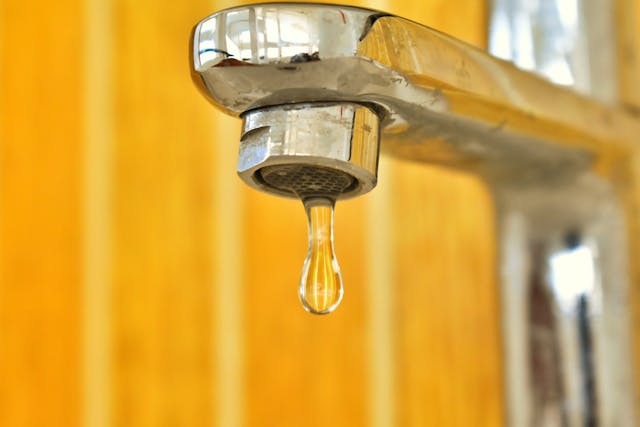
- Fixing leaks quickly is important. A slow drip can waste hundreds of litres each week.
- Running full loads in washing machines and dishwashers avoids extra cycles and wasted power.
These habits cost nothing. They also make future upgrades work better.
Lower Bills With Smarter Water Use
Water efficiency is not only good for the environment. It also saves money.
Modern fixtures, regular leak checks, and better monitoring reduce water bills over time. They also protect pipes and appliances from damage.
Smart meters and leak alerts help show where water is being used. They work best when paired with simple awareness and regular checks.
Some councils and utilities offer rebates for water-saving upgrades. These programs can reduce upfront costs and speed up savings.
Simple Water-Saving Changes That Work
Upgrade Fixtures and Appliances
Low-flow showerheads and toilets use less water while keeping strong performance. Many reduce water use by 20–40% compared to older models.
Faucet aerators are cheap and easy to install. They cut flow while keeping pressure steady.
New dishwashers and washing machines use less water and energy. They rely on better sensors and wash cycles, not weaker cleaning.
Smart Monitoring and Leak Protection
Smart water sensors track unusual water use and send alerts early. This helps stop small leaks before they become costly problems.
Some systems can shut off water during major leaks. This protects homes while saving water and repair costs.
These tools work best as part of a full efficiency plan, not on their own.
Water-Smart Outdoor Spaces
Outdoor water use can match indoor use, especially in warm areas.
Native and drought-tolerant plants need less watering and support local wildlife. Xeriscaping and ground covers reduce water loss from heat and wind.
Drip irrigation sends water straight to roots. Replacing lawns with low-water options also cuts upkeep and water use.
Improving Power Efficiency at Home
Choose Efficient Appliances
Large appliances use a lot of electricity. Newer models often use far less power than older ones.
Features like eco-modes, timers, and auto shut-off reduce waste. These features only help when used often and correctly.
Choosing efficient models is important. Using them well matters just as much.
Smarter Heating and Cooling
Heating and cooling use more energy than most other systems.
Regular system checks, clean filters, and sealed drafts reduce waste. Programmable thermostats prevent heating or cooling empty rooms.
Zoning systems limit energy use to rooms in use. In some areas, solar-assisted heating can lower grid demand.
Better Lighting With Less Power
LED bulbs use about 75% less energy than old-style bulbs. They also last much longer.
Motion sensors and dimmers reduce wasted light. Using daylight during the day helps even more.
Simple changes like opening blinds or using light-coloured walls can lower lighting needs.
Making Efficiency Last
Set Clear and Simple Goals
Efficiency works best in small steps. Start by finding areas with high water or energy use.
Set clear goals, such as cutting water use by 10% or lowering power bills over three months. Small goals are easier to keep.
Track Progress and Adjust
Smart meters and bills show how habits affect usage. Reviewing them helps build good habits.
Efficiency is not fixed. As needs change, systems and routines should change too.
Efficiency and Renewable Energy in Australia
In Australia, efficiency helps homes get more value from solar power.
As energy costs rise and climate awareness grows, adapting renewable energy contributes to the environment by reducing your carbon footprint while also supporting long-term savings. Using less energy often saves more than adding new systems.
Lower hot water use and efficient appliances help homes use more solar power onsite. This improves savings and energy control.
Efficiency also supports resilience as heat, drought, and grid stress increase.
Conclusion
Improving home efficiency does not require major change. Small, steady improvements to water use and energy habits make a real difference.
By focusing on how water and power work together, homes can lower costs, reduce impact, and improve comfort.
Small steps, repeated daily, remain one of the strongest ways to build an efficient home.