

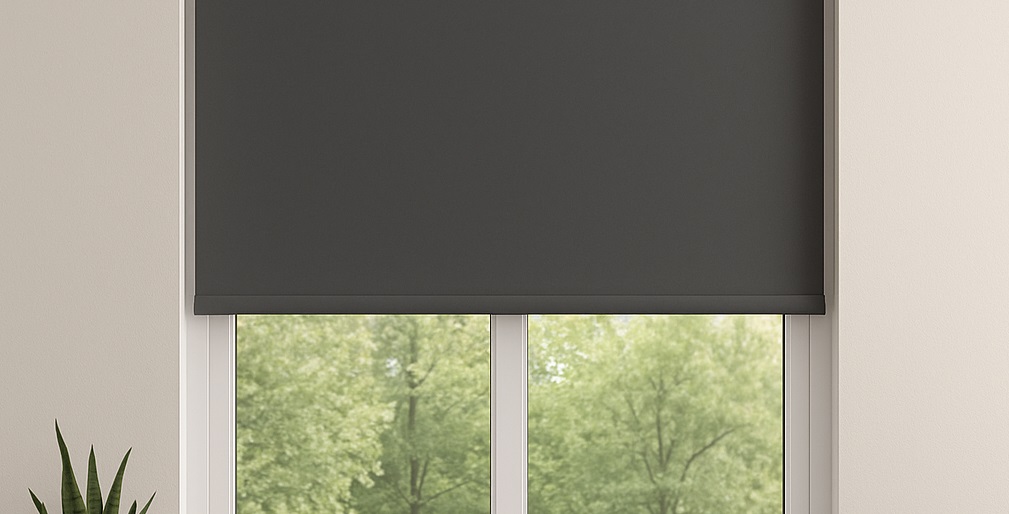

Cassette blackout roller blinds provide a neat and effective way to control light in any room. They combine a sleek cassette frame with blackout fabric to block unwanted light and create a calm, private space. Before buying, it helps to understand how these blinds work, what features matter most, and how they compare to standard roller blinds.
This article explains what makes cassette blackout blinds different, how easy they are to install, and what to expect in terms of durability, maintenance, and cost. It also looks at the thermal benefits they provide, helping anyone decide whether they are the right choice for their home.
Understanding the complete blackout capability of cassette blinds with side channels
Cassette blackout blinds use a headbox and side channels to block light that normally slips through the edges of standard roller blinds. The cassette covers the top of the blind, while the side channels guide the fabric down smoothly and seal gaps that allow light to enter.
Brush seals or tight-fitting tracks along the edges further reduce light seepage. This design helps create near-total darkness, which suits bedrooms, home cinemas, or studios where light control matters.
Those who plan to shop cassette blackout roller blinds online should note that the blackout effect depends on precise installation. A well-fitted cassette system keeps the fabric flush with the frame, preventing light leaks.
In addition, the materials used in blackout fabrics block sunlight from passing through. Combined with the cassette and side channels, these blinds provide an effective and practical way to achieve a darker indoor space.
Considering the ease and method of installation for cassette blackout roller blinds
Cassette blackout roller blinds fit in different ways depending on the window type and the look a person wants. They can go inside the window recess for a neat, built-in style or outside the recess to cover more of the frame and block extra light. Each method changes how the blind aligns with the window.
Installation usually involves fixing brackets at the top of the frame. The cassette then clips into place with a firm push until it locks securely. This process does not require special tools, but accurate measuring and level placement matter for a smooth result.
Some models include side tracks that help reduce light gaps and improve insulation. These tracks add a few extra steps to the setup but still follow a straightforward process. People who prefer a simpler job can choose a no-drill version that attaches with adhesive or tension fittings instead of screws.
Evaluating the durability and maintenance requirements of the cassette mechanism
The cassette mechanism protects the roller blind fabric and helps it work smoothly over time. Its durability depends on the quality of materials used, such as aluminum for the headbox and strong internal components that resist wear. A well-built cassette reduces the risk of bending or damage from daily use.
Regular care helps the mechanism last longer. Dust can collect inside the cassette, so gentle cleaning with a soft cloth prevents buildup that may affect movement. It is also wise to check that the side channels and spring parts stay free from debris.
Over time, small adjustments may keep the cassette operating properly. For example, tightening loose screws or checking the tension spring can prevent uneven rolling. Proper maintenance not only keeps the blind looking neat but also helps preserve smooth operation for many years.
Recognising the thermal insulation benefits provided by cassette blackout blinds
Cassette blackout blinds do more than block light. Their design helps reduce heat loss by sealing the window edges and limiting air gaps. This feature can make a room feel more stable in temperature, especially in colder months.
The cassette frame holds the fabric close to the window, which creates an extra barrier against drafts. As a result, less warm air escapes through the glass, and less cold air enters the room.
In addition, the blackout fabric itself often has a dense weave that resists heat transfer. This material helps maintain a comfortable indoor temperature without heavy curtains or extra layers.
These blinds can also help reduce energy use. Better insulation means less need for heating or cooling, which can lower energy bills over time. For homes with large windows, this benefit can make a noticeable difference in comfort and efficiency.
Assessing the price difference and value of cassette blinds compared to standard roller blinds
Cassette blinds usually cost more than standard roller blinds. The higher price comes from the cassette frame, side rails, and better materials that create a neater finish and improved light control. Standard blinds, on the other hand, suit smaller budgets and simpler window setups.
The extra cost often reflects added value. Cassette blinds can block light more effectively and reduce heat loss, which can help lower energy use over time. They also protect the fabric inside the cassette, which can extend the product’s life.
Custom sizing and optional motorized controls can raise the total price further. However, many buyers see these features as worthwhile because they add comfort and convenience. Therefore, the best choice depends on how much someone values durability, appearance, and control compared to upfront cost.
Conclusion
Cassette blackout roller blinds give full light control and help reduce heat loss. They suit bedrooms, nurseries, and media rooms where darkness and privacy matter most.
Buyers should check the cassette size, fabric type, and side tracks before purchase. Each feature affects how well the blind blocks light and fits within the window frame.
Proper measurement and installation lead to better results. A well-fitted cassette blind can improve comfort and energy efficiency while keeping the look neat and modern.
These blinds provide a practical balance of function and style. They serve as a smart choice for anyone who values both comfort and control over indoor light.