

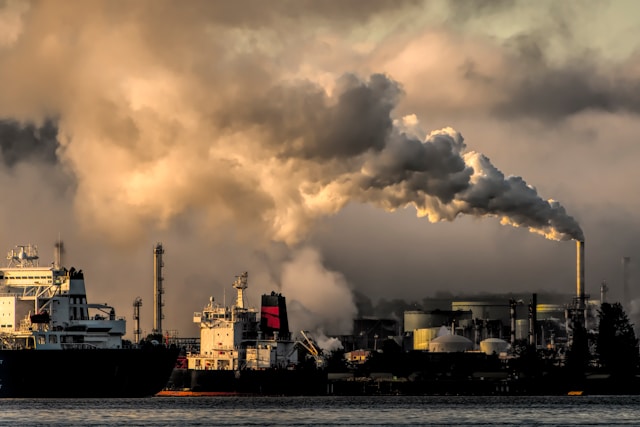

Weather patterns no longer behave the way they used to. Communities that once worried about a single seasonal threat are now bracing for a moving target, with dry spells stretching longer and storms arriving with sharper intensity. The shift has rattled assumptions that shaped emergency planning for decades, and it has pushed officials to look harder at how cities, neighborhoods, and households respond when the ground starts shaking under what people thought they knew.
Old playbooks were built around predictable cycles, but those cycles are bending in ways that catch even seasoned planners off guard. A region might dodge a wildfire in spring only to face a wall of floodwater by late summer, and the gap between events keeps shrinking. Preparedness today is less about reacting to a familiar foe and more about building the muscle to handle whatever shows up next.
The Role of Higher Education
Universities have quietly become one of the most important spaces for figuring out how to live with a more volatile climate. Their classrooms bring together planners, social workers, public health specialists, and community organizers who would otherwise rarely sit at the same table, and that mix matters when a single disaster can pull on all those threads at once. Programs that focus on disaster resilience are giving emerging leaders a way to think across disciplines rather than within narrow silos. One example is the DRL certificate, which trains people to lead through complex events by blending field experience, research, and applied learning. Graduates leave with the kind of cross-cutting perspective that real-world emergencies demand, and that perspective tends to ripple outward into the agencies and nonprofits where they end up working.
What sets these programs apart is the emphasis on humility. Students learn early that no single profession holds all the answers, and that listening to affected communities is just as valuable as drafting a response plan.
Why Old Preparedness Models Are Falling Short
For a long time, emergency planning leaned on the idea that history could predict the future. Floodplain maps, fire-season calendars, and evacuation routes were drawn around what had happened before, and that worked well enough when the climate sat in a relatively steady rhythm. The problem is that the rhythm has changed. Events are showing up out of season, lasting longer, and stacking on top of each other in ways that strain the systems built to handle them one at a time.
Another weakness in older models is the assumption that recovery follows a clean line. In practice, families dealing with smoke damage one year may face flooded basements the next, and the financial and emotional toll keeps compounding. Planners are starting to admit that preparedness has to account for cumulative stress, not just isolated events. That admission, while uncomfortable, is opening the door to smarter approaches.
Building Cross-Hazard Thinking into Daily Life
Households used to keep one kind of emergency kit. Now, families are realizing that the same flashlight and first aid supplies might be needed for a wildfire evacuation in one season and a flash flood the next. Cross-hazard thinking means stepping back and asking what works across multiple scenarios rather than scrambling to assemble something different each time the weather turns. It is a quieter shift, but it lowers the cognitive load when a real event hits.
The same logic applies at the neighborhood level. Block-level communication networks, agreed-upon meeting points, and shared knowledge about who needs help getting out are useful whether the threat comes from flames or rising water. Communities that have invested in these basics tend to bounce back faster, regardless of what hit them.
Infrastructure That Bends Instead of Breaking
There is growing recognition that hardening every piece of infrastructure against every possible threat is neither realistic nor affordable. The smarter path involves designing systems that can flex, fail safely, and come back online quickly. Power grids that can island themselves during a wildfire, drainage systems that double as parks during dry months, and buildings designed with both fire resistance and flood elevation in mind all reflect this shift in thinking.
Bending rather than breaking also applies to how supplies move during a crisis. Single supply routes are fragile by nature, and any planner who has watched a single closed road cripple an entire response effort knows that redundancy is not a luxury. Building backup options into transportation, food distribution, and medical supply chains gives communities a fighting chance when the unexpected arrives.
Listening to the People on the Ground
One of the most important lessons emerging from recent years is that local knowledge matters more than outsiders often assume. Residents who have lived through repeated events tend to know which roads flood first, which ridgelines burn fastest, and which neighbors will need a ride out. When response plans are drafted without that input, gaps appear that no amount of modeling can catch. Genuine engagement with affected communities is finally being treated as a core part of preparedness rather than a public relations afterthought.
Indigenous communities and longtime residents in fire-prone and flood-prone areas have often been managing land in ways that reduce risk for generations. Bringing those practices into mainstream planning, rather than dismissing them, is starting to pay off.
Shifting from Reaction to Anticipation
Perhaps the biggest change in modern preparedness is the move from reacting to anticipating. Reactive systems wait for an event to declare itself, then scramble. Anticipatory systems watch for the conditions that tend to produce events and start moving resources before the worst arrives. That shift requires better information sharing, but more importantly, it requires the political will to act on early signals rather than waiting for certainty.
Acting early is often cheaper and less disruptive than acting late, yet it can feel risky to leaders who fear being wrong. Reframing early action as prudent rather than alarmist takes a cultural shift, and that shift is slowly happening as the cost of waiting becomes harder to ignore.