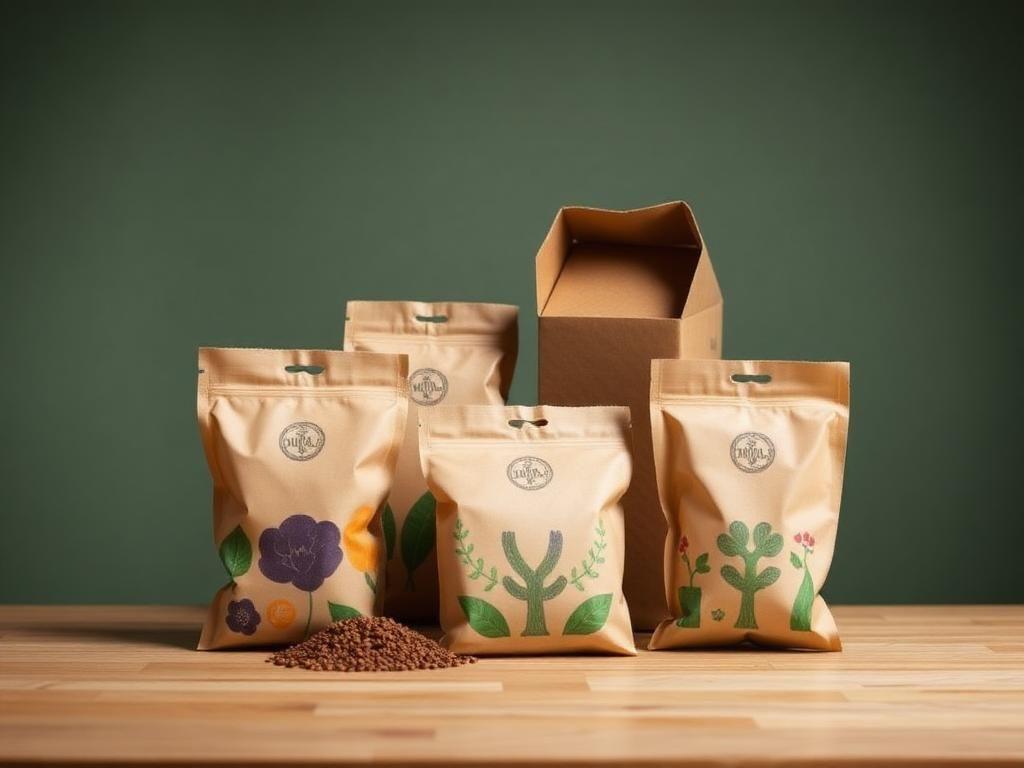

The packaging system of Kraft has developed from its original purpose of waste reduction into a marketing instrument which shows environmental commitment while providing high-end product experiences to customers. Businesses operating in the present day have learned that using natural brown kraft materials helps them achieve two important goals which include waste reduction in packaging and better customer perceptions about their environmental commitment. The selection of sustainable materials by companies that use kraft box packaging enables them to create genuine customer relationships which standard glossy packaging fails to establish. The environmentally friendly image of kraft materials emerges from their unbleached processing method and minimal production steps which also produces a unique natural appearance that creates lasting unboxing experiences which customers link to premium products and sustainable business operations.
The Environmental Impact of Kraft Packaging
The environmental benefits of Kraft packaging production become measurable at the time the company buys materials and these advantages persist until waste reaches its endpoint for disposal. Businesses need to understand these effects because they enable companies to present their sustainability information honestly while they select their packaging materials.
The kraft production method requires less energy and water than bleached production methods which results in a manufacturing carbon footprint reduction of 30%. The production of unbleached kraft paper eliminates chlorine-based bleaching chemicals which pollute water systems and the paper gains its strength from natural lignin substances that need less material to reach equivalent protective levels. The system reaches its highest material efficiency through its use of light-weight packaging which reduces both delivery emissions and transportation expenses.
The main environmental benefit of Kraft stems from its ability to be recycled. The material follows standard municipal recycling procedures because it needs no additional processing which results in recycling achievements above 80% in various developed nations. Kraft fibers achieve complete biodegradation after multiple recycling cycles before they reach their end-of-life stage but plastic packaging remains in landfills and ecosystems for extended periods of hundreds of years.
The renewable sourcing of kraft materials from responsibly managed forests enables sustainable supply chains which regenerate resources instead of using up limited reserves. The Forest Stewardship Council certification system enables kraft production to maintain forest health while creating economic benefits which support environmentally friendly forestry methods that advantage both nature and nearby communities.
Kraft Packaging as Brand Differentiator
Kraft packaging provides companies with environmental advantages which enable them to establish their brand identity through unique packaging solutions that distinguish them from businesses using traditional packaging materials. The brand presents its values through its natural design which draws in contemporary consumers who like this design approach.
Authenticity Through Material Honesty
The unbleached natural appearance of Kraft products shows corporate transparency because modern consumers question how businesses display their environmental sustainability efforts. The material shows its authentic nature through its natural color shifts and visible fibers which present an honest depiction of its genuine materials. The brand builds customer trust through its open business methods which prove to customers that their products have no concealed ingredients.
The use of kraft packaging by brands creates positive associations which enhance customer perceptions about their products and their corporate values and their brand reliability. Research indicates that customers evaluate identical products as 23% more valuable when they receive kraft packaging instead of plastic packaging which proves that packaging materials affect customer product value assessments.
Premium Positioning Through Artisan Aesthetics
The packaging of Kraft products utilizes artisan and handcrafted elements which create premium value that drives high prices throughout different product lines. The combination of natural elements with earthy colors in the design creates an impression that small batches of products emerge from skilled hands which also applies to factory-made goods. The perception method allows brands to raise their product prices because customers perceive their products as having higher value.
Luxury brands select kraft materials because these materials produce distinctive packaging that distinguishes their products from mass-market brands which use reflective plastic packaging. Kraft paper becomes a premium brand canvas through advanced printing methods which include letterpress and foil stamping and embossing to show both environmental values and sophisticated design elements.
Strategic Applications Across Product Categories
Kraft packaging offers various products which target different market segments through distinct strategic methods that show how the material adapts to meet different brand positioning needs.
Cosmetics and Personal Care
Beauty brands implement kraft packaging to demonstrate their products contain natural ingredients and have clean formulations which they want customers to see. The material maintains visual consistency through its organic and plant-based and chemical-free product presentation. The natural moisture-resistant properties of Kraft protect sensitive mixtures from harm while maintaining their plastic-free status and biodegradable material compliance which supports the eco-beauty movement.
Small format packaging functions best for cosmetic samples and travel sizes and gift sets because kraft material provides high-end presentation without using too much material. The kraft material small cardboard boxes serve businesses because they defend their products and maintain environmentally friendly standards for their small-sized items.
Food and Beverage Products
The food packaging market belongs to Kraft because its packaging design creates an impression of fresh products which appear wholesome and require no additional processing. People automatically link kraft products to farmer’s markets and artisan bakeries and organic producers although these products actually stem from commercial facilities. The psychological bond between customers and their preferred food choices leads them to make buying choices when they shop at competitive food stores.
The natural grease resistance and structural strength of kraft paper makes it suitable for baked goods and dry foods and beverages because its performance characteristics match the sustainability benefits it offers. The process of custom printing on kraft materials produces unique store displays which preserve the genuine appearance that organic and natural food brands need for their branding.
Retail and E-commerce
Online retailers choose kraft packaging for their shipping needs and product displays because it enables them to reduce costs while developing their brand identity. The product’s lightweight design helps decrease shipping expenses because the brown kraft boxes present a unified packaging experience which customers link to sustainable brands that show care for the environment.
Kraft packaging looks beautiful in customer unboxing videos and social media posts which enables e-commerce businesses to create organic marketing content that expands their customer base. The matte finish of the packaging material helps to block out light reflections which creates an interesting visual effect on the otherwise plain photographs. The natural texture of kraft packaging creates visual appeal in flat photography which makes the packaging ready for Instagram without needing any additional design work.
Design Strategies for Maximum Impact
The successful implementation of kraft packaging depends on designers who create solutions which work with material properties instead of opposing them.
Minimalist Graphics That Let Material Shine
The most successful kraft packaging designs use simple designs which let the natural appearance of materials serve as the main visual attraction. The strategic application of one or two colors produces an effective store display which maintains the natural beauty of kraft packaging:
- The design uses single-colored bold typography which produces the highest possible contrast effect against the surrounding natural environment.
- The white ink printing method produces a modern design which preserves the organic texture of kraft paper.
- Negative space techniques leverage natural material as design element.
- The design creates premium effects through strategic placement of spot varnish and foil accents which are applied throughout the design.
Texture and Finishing Techniques
The natural texture of Kraft paper serves as an ideal surface for applying tactile finishes which create an impression of premium quality.
- The embossing process produces three-dimensional brand components which people detect by feeling them.
- The process of Debossing creates refined designs through its elegant yet unobtrusive approach.
- The soft-touch coatings produce a velvety surface which indicates premium quality to potential buyers.
- Natural kraft variations embrace material inconsistencies as authentic features.
The company applies these methods to convert kraft from its basic role as a substrate into an interactive brand experience which creates lasting memories for customers.
Right-Sizing for Waste Reduction
The selection of materials plays a smaller role than the dimensions of packaging packages when it comes to determining environmental effects. The flexible design of Kraft packaging allows for exact right-sizing which removes the need for void fill and reduces unnecessary material waste.
The process of creating custom kraft boxes which match product dimensions leads to a 40–60% decrease in packaging volume because it eliminates the need for filler materials which standard boxes require. The system generates exact measurements which results in decreased material usage and smaller delivery containers that need minimal storage area during distribution processes. The cumulative effect multiplies sustainability benefits while improving operational efficiency.
Brands can achieve product line visual consistency through modular kraft packaging systems which also enable them to select packaging sizes that match their various items. The method creates brand recognition through its repeating elements which prove its dedication to waste minimization through its strategic product dimension planning.
Measuring Kraft Packaging ROI
Businesses that want to succeed should monitor kraft packaging effects by using quantifiable data instead of making general sustainability statements:
Environmental metrics:
- The new packaging design achieves lighter material weights than what was used in previous packaging solutions.
- The amount of recycled materials which kraft materials contain.
- The selection of lightweight shipping materials leads to reduced carbon emissions because these materials produce lower carbon footprint levels.
- Waste diversion rates from recyclability improvements.
Brand performance indicators:
- Customer perception scores for environmental responsibility.
- Social media engagement on unboxing content.
- Premium pricing maintenance or improvement.
- Customer acquisition costs with sustainability positioning.
Operational benefits:
- The selection of lightweight materials leads to reduced expenses for transportation costs.
- The right-sizing approach enables better storage efficiency because of its ability to optimize storage resources.
- The supply chain becomes more efficient because the company standardizes all materials it uses.
- Vendor relationship advantages through sustainable sourcing.
The performance indicators demonstrate that kraft packaging provides real business value which helps organizations make investment decisions because of its environmental advantages.
Future of Kraft in Sustainable Packaging
The packaging industry at Kraft has developed new solutions which improve both environmental sustainability and product branding effectiveness. The market continues to evolve through two main developments which involve bio-based moisture barriers that function as plastic coating alternatives and new barrier technologies which expand product ranges and enhance printing capabilities for intricate designs and smart packaging systems for customer interaction.
Organizations which choose kraft packaging at this time will achieve sustainability leadership while building authentic relationships with environmentally aware customers who will drive market growth across different consumer groups and product ranges.