
Most people think air quality is an outside issue, something to worry about when you’re in industrial areas or the news tells you it’s a high-pollution day and you shouldn’t go outside. But that’s no true; the air quality in workspaces and around workspaces impacts those working in them daily and is quantifiable. It’s something that goes under the radar for far too long until it gets to the point where it can no longer be ignored.
What’s in the Air at Work?
The air quality inside and outside a workplace is affected by much more than employers care to think. Everything from ventilation systems to construction materials to cleaning supplies to machine emissions to traffic patterns outside to crowded spaces can impact how well people breathe. For office spaces, the presence of volatile organic compounds (VOCs) from furniture, carpets and printers can linger at levels that make people feel a certain way, act a certain way, without even connecting the dots.
For companies working in more industrial settings or next to construction settings, it’s even worse. Dust particles, chemical fumes, and other contaminants can reach levels that risk massive health concerns over time. Understanding air quality becomes an issue of far more than compliance; it becomes an element of how well and safely people can work.
Health Impacts More Than Anticipated
Where businesses get tripped up is the reality of symptoms associated with poor air quality. Respiratory effects are well-publicized, exacerbated asthma, frequent sneezing and coughing, and increased rates of upper-respiratory illnesses and infections. However, poor indoor air quality is associated with headaches, fatigue, trouble focusing, and even irritated eyes or skin.
These symptoms tend to be dismissed as coincidental, seasonal or stress-related. However, when an entire workforce regularly battles low energy or cognitive fog, productivity takes a significant hit without anyone even knowing or attributing it to the air. Research shows that air quality has quantifiable connections with cognitive performance, the better ventilation, the less pollutants, the better decision-making and output. That’s a game-changer for any business looking for more from its people.
Temporary and Long-term Exposure Problems
Poor air quality is uncomfortable in the short term. It’s significant in the long term. Workers exposed consistently to higher levels of dust, chemical vapours or poor ventilation for months and years have chronic respiratory concerns, cardiovascular issues and other compounding factors dependent on what’s in the air.
It’s not a matter of compliance for better health; it’s a matter of how staff feels about themselves day-to-day. When staff are constantly battling health issues or chronic symptoms that result from work exposure, they realize how they feel in relation to others, and their doctors eventually contact relevant authorities.
Which Regulations Apply?
Multiple health safety regulations apply to workplace air quality, and they’re not static. For many industries, there are exposure limits per certain substances, let alone monitoring, reporting and corrective action requirements when problems arise. Communicating all this, and remaining compliant as regulations change, is difficult without professionals in-house with environmental compliance expertise.
Businesses handling this best are those that maintain ongoing management of air quality as best they can instead of treating it like an unknown compliance check. This means regular employee training surrounding policies when air quality develops a known issue and where they believe problems exist based on relatively recent standards.
The Importance of an Assessment
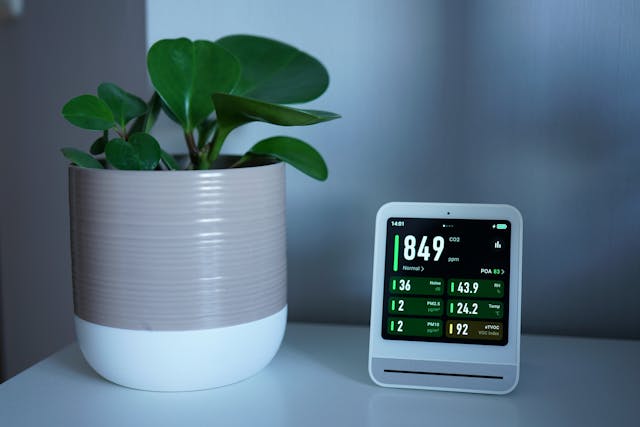
There’s a difference between assuming air quality is fine and knowing it for certain. Air quality assessments involve measurement across several potential pollutants, determination against relevant thresholds and determination of where potential problems stem from. This includes solutions that are real, not hypothetical, based on expert determinations.
For many businesses, their value gained from professionals comes down to credibility of assessment; an employer’s word is only so strong. An assessment made professionally carries weight with regulators, insurers and employees themselves. It also reports findings that would go unseen without correct detection devices.
Air Quality Should Be Taken Into Serious Consideration
Businesses that do this best rarely have visible problems, they understand through professional measures what gets into the air through agents posing as good (ventilation) or negation (pollution). Frequent professional assessments and measures only help determine what’s present in the workplace better than any participant-only assessment could get.
All in all, better air equals better health equals better focus equals better sustainability for any business that truly cares about its employees and business longevity. Air quality needs to be incorporated into aligned operations instead of relegated to special circumstance compliance checks.