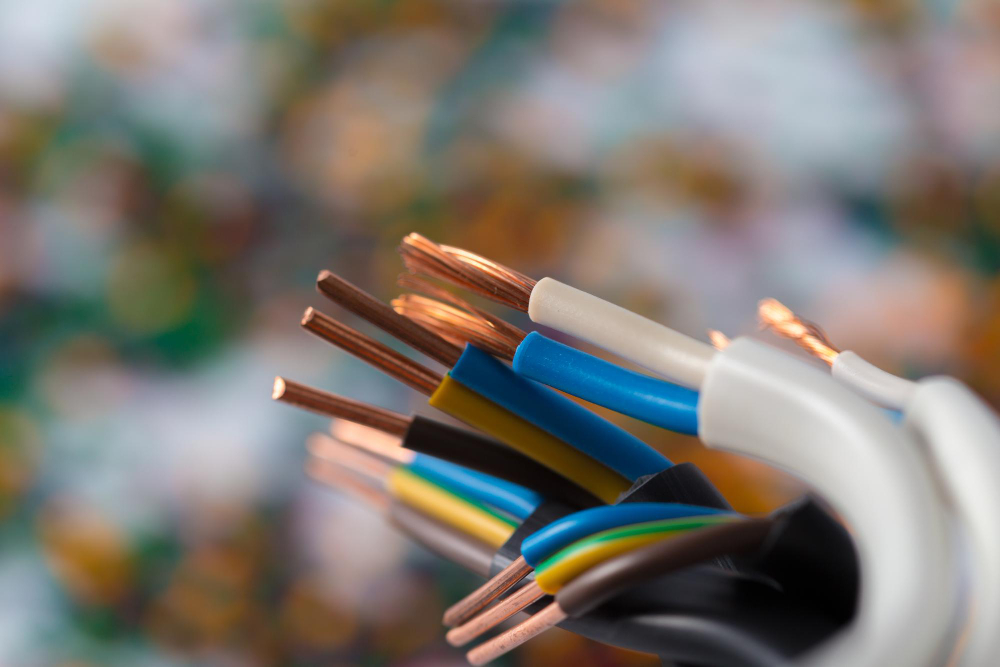

Energy waste often hides in places most teams never think to check. While attention usually goes to machines, motors, and control systems, the cables that connect everything together quietly shape how much power is lost every day.
Poorly designed cable assemblies create resistance, trap heat, and slowly reduce system efficiency. These losses may appear small, but across long operating hours and large facilities, they add up—raising energy bills, increasing wear on equipment, and shortening system life. As energy prices rise and sustainability targets tighten, this hidden inefficiency can no longer be ignored.
Sustainable cable assemblies offer a practical and measurable solution. When cables are built with high-quality materials, proper insulation, and long-term durability in mind, systems run cooler, last longer, and waste less energy. These upgrades may look minor, but their impact is real, repeatable, and long-lasting.
The Hidden Energy Costs of Traditional Cable Assemblies
Cables are often treated as basic components, yet their design directly affects how efficiently electricity moves through a system. Low-quality or aging cable assemblies increase electrical resistance. Instead of delivering usable power, part of that energy is converted into heat.
Over time, heat stresses both the cable and nearby components. Insulation begins to degrade, connections loosen, and power loss increases without obvious warning signs. In large industrial environments, these issues can quietly drive up electricity costs and lead to unplanned maintenance or downtime.
Many organizations only replace cables after failure occurs. By that point, energy waste and system strain have already taken a toll. Upgrading to higher-quality options—such as modern cable assemblies China manufacturers now provide—helps stop losses at the source and stabilize system performance before problems escalate.
Why Sustainable Cable Assemblies Perform Better
Sustainable cable assemblies are designed to reduce energy loss from the inside out. Their materials, construction, and manufacturing methods all focus on efficiency and long-term reliability.
At the core, high-conductivity metals such as refined copper or aluminum allow electricity to flow with less resistance. More power reaches its destination, and less is wasted as heat. Unlike lower-grade materials, these conductors maintain performance over time instead of degrading quickly.
Insulation plays an equally important role. Advanced insulation materials limit energy leakage and protect cables from heat, moisture, and environmental stress. Shielding further improves performance by reducing electrical interference and keeping systems stable under continuous load.
Precision terminations and proper strain relief prevent weak points where resistance often forms. These details may be invisible after installation, but they significantly reduce power loss and help systems operate smoothly for years.
Efficiency Gains at a Glance
| Feature | Traditional Cables | Sustainable Cable Assemblies |
| Electrical resistance | Higher | Lower |
| Heat buildup | Common | Reduced |
| Service life | Shorter | Longer |
| Maintenance needs | Frequent | Reduced |
| Energy efficiency | Declines over time | Remains stable |
This comparison highlights why cable quality affects far more than installation cost—it shapes energy use, reliability, and long-term operating expense.
How Cable Efficiency Impacts Safety & Compliance
Energy loss is more than just a matter of efficiency – it also poses a safety threat. Heat dumped by inefficient cables puts additional stress on surrounding components and raises the risk of insulation failure or electrical failures. Just think about it, those extra heat emissions can push critical systems to their limits.
With sustainable cable assemblies that run cooler and maintain a steady flow of electricity, the risks all but disappear. This is because systems that run at lower temperatures put less strain on equipment & are less likely to just up and fail when you least expect it. Any facility that has to keep up with electrical, workplace, or fire-safety regulations will find that efficient cable design helps them stay in compliance while keeping day-to-day operations smooth and reliable.
How Cable Upgrades Make A Real Difference In Real-World Systems
Now, every system will benefit from better cables, but some environments see the improvements right away, greatly.
Manufacturing plants are a great example. With non-stop action, even tiny energy losses can add up fast. Data centers need efficient cabling to keep systems cool while protecting expensive equipment. Renewable energy systems – like solar and wind farms – depend on low-loss cables to move power from the source to the grid.
In these types of situations, upgrading cables does more than just save energy – it helps keep operations steady and secure high-value infrastructure.
Working Sustainable Cables Into Your Energy Efficiency Plan
Sustainable cable assemblies deliver the most bang for your buck when they are part of a comprehensive energy efficiency plan. And let’s face it, when it comes to energy audits, people usually focus on the big-ticket items – the equipment that’s easy to see. But outdated or damaged cable assemblies can quietly be costing you money even if you don’t realize it.
Evaluating the condition of your cables can help identify trouble spots. Areas where high loads are being fed through older or installed in harsh environments, are good starting points. Replacing these cables often leads to real improvements in efficiency and reliability right away.
And when it comes to suppliers, dont just take their word for it – take a closer look at the material they use & their production methods too. Those who are transparent about what they put into their products, and who take responsible practices seriously, tend to deliver better performance over the long haul. It’s a win for your bottom line & for your green goals too.
Measuring the Return on Investment
Energy savings are only part of the return. Sustainable cable assemblies reduce maintenance needs, extend replacement cycles, and lower the risk of unplanned downtime.
When energy audits include long-term operating data, the financial picture becomes clear. Fewer failures, steadier performance, and lower heat stress reduce total operating costs year after year. In many cases, the long-term savings outweigh the initial upgrade cost.
Lifecycle Thinking: Looking Beyond Installation
Cable performance should be measured across its full lifecycle, not just at installation. Traditional cables may appear cheaper upfront, but frequent replacements, energy loss, and maintenance quickly raise their true cost.
Sustainable cable assemblies are designed for consistent performance over many years. Their durability reduces material waste and lowers the environmental impact of repeated manufacturing and disposal. When viewed through a lifecycle lens, efficiency, reliability, and sustainability are closely linked.
Common Misconceptions About Cable Efficiency
A common belief is that cables play only a minor role in energy efficiency. In reality, small losses compound over time, especially in systems that run continuously.
Another misconception is that efficient cables only matter for new builds. Retrofitting older systems often delivers faster results because inefficient cables are already contributing to ongoing losses. Addressing these misunderstandings helps organizations make smarter efficiency decisions.
Choosing the Right Sustainable Cable Assembly
Selecting the right cable assembly starts with understanding system demands. Load requirements, operating temperature, and environmental exposure all affect performance.
High-conductivity materials, durable insulation, and precision terminations are essential. Just as important is supplier transparency. Manufacturers that clearly document performance standards and sustainability practices tend to deliver more reliable results over time.
Supporting Net-Zero and Sustainability Goals
As organizations move toward net-zero targets, efficiency improvements at every level matter. Cable assemblies may not attract attention, but they directly influence how much energy systems consume and how much is lost.
By reducing resistance and heat, sustainable cable assemblies help lower overall energy demand. These incremental improvements accumulate, supporting decarbonization goals without disruptive system redesigns.
There is also a reputational benefit. Investing in sustainable infrastructure signals long-term responsibility to customers, partners, and regulators—strengthening trust and competitive positioning.
Final Thoughts
Sustainable cable assemblies are more than technical upgrades—they are strategic investments. By improving energy flow, reducing waste, and extending system life, they deliver value that reaches far beyond the cables themselves.
In a world where efficiency, reliability, and environmental responsibility are tightly connected, these upgrades offer a clear advantage. Choosing better cables today helps organizations operate more efficiently, reduce long-term costs, and move confidently toward a more sustainable future.