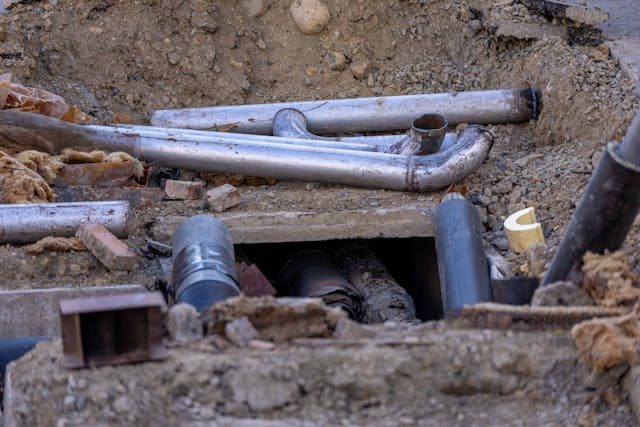

Trenchless sewer line repair fixes broken sewer pipes with less digging. A crew does not need to cut one long trench through your yard. In many cases, they use one or two small entry points.
The repair is done from inside the pipe. This can save your lawn, trees, patio, driveway, and garden beds. It can also cut mess, stress, and repair time.
The main benefits are simple:
- Less damage to your yard
- Faster work
- Less mess
- Lower cleanup costs
- Less stress for your home
- A better way to protect hard-to-replace plants and trees
Still, this fix is not right for every pipe. A sewer camera check should always come first.
Key Points for Homeowners
- Trenchless sewer repair means less digging, not no digging.
- The two main methods are pipe lining and pipe bursting.
- Pipe lining places a new liner inside the old pipe.
- Pipe bursting breaks the old pipe while pulling a new one into place.
- It can help protect lawns, trees, patios, and driveways.
- The full cost can be lower when yard repair is counted.
- It does not work well for every sewer line.
- Badly crushed or shifted pipes may need another fix.
- Ask about permits, safety steps, warranties, and video proof.
Why Homeowners Choose Trenchless Sewer Repair
When a sewer line breaks, many people fear the worst. They picture a crew digging up the yard. They think of broken paths, cut roots, wet soil, and a long cleanup.
For many homes, that is no longer the only choice.
Trenchless sewer repair lets plumbers fix many pipe issues through small entry points. They do not need to dig up the whole pipe path. This makes the job cleaner and faster.
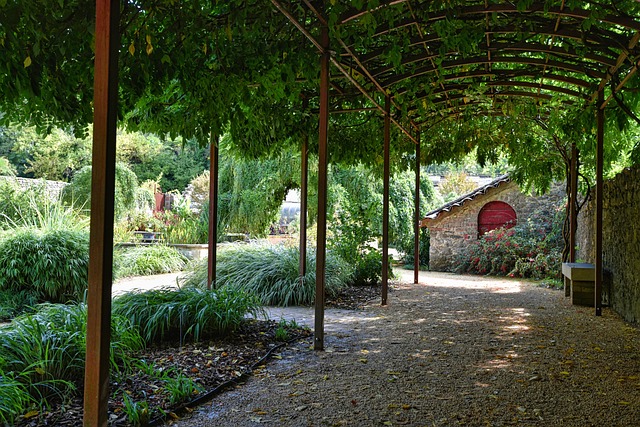
It can also protect the parts of your yard that are hard to replace. A mature tree, stone patio, or paved drive can cost a lot to fix after deep digging.
Sewer problems need fast care. A backup can send dirty water into a home. It can harm floors, walls, and nearby soil. It can also create a health risk.
Call for an inspection if you notice slow drains, repeat backups, bad smells, or wet spots in the yard. A camera check shows where the problem is. It also helps the plumber choose the safest repair plan.
What “Trenchless” Means
Trenchless sewer repair does not mean no digging. It means less digging.
The crew does not dig one long trench across your yard. Instead, they make one or two small holes. These holes help them reach the sewer pipe.
From there, they can check, clean, fix, or replace the pipe. They can do this without tearing up the full yard.
The two main methods are pipe lining and pipe bursting.
1. CIPP Pipe Lining
CIPP means cured-in-place pipe. The name sounds complex, but the idea is simple.
A crew puts a soft liner inside the old pipe. The liner has resin on it. Resin is a liquid that can harden.
The crew then pushes the liner against the pipe wall. After that, the liner hardens in place.
Once it hardens, it acts like a new pipe inside the old pipe. It creates a smooth path for waste water to flow.
NASSCO describes CIPP as a way to repair sewer and storm drain pipes from the inside.
CIPP works best when the old pipe still has its shape. The pipe can have cracks or root damage. But it must be strong enough to hold the liner.
2. Pipe Bursting
Pipe bursting works in a different way.
The crew does not line the old pipe. Instead, they pull a new pipe through the damaged one.
A tool called a bursting head breaks the old pipe outward. At the same time, it pulls the new pipe into place.
The EPA says pipe bursting can cut work impacts on homes, roads, shops, and people nearby.
It can also help flow. This is because the new pipe takes the place of the old pipe. It does not just add a liner inside it.
Pipe bursting is often used when a pipe is too damaged for lining. But the pipe route must still be safe for this kind of work.
Trenchless vs. Traditional Sewer Repair
| Factor | Trenchless Sewer Repair | Traditional Digging |
| Digging | One or two small holes in many jobs | One long trench along the pipe |
| Yard damage | Usually less | Often more |
| Driveway or patio damage | Often can be avoided | More likely if the pipe runs below it |
| Time | Often faster for normal jobs | Often takes longer |
| Yard repair cost | Usually lower | Can be high |
| Best for | Cracks, roots, old pipes, and long damaged areas | Crushed pipes, badly shifted pipes, and short spot fixes |
| Inspection needed | Yes | Yes |
| Home disruption | Lower | Higher |
Traditional digging still has a role. Some pipes are too crushed, too shallow, too short, or too far out of line.
But when the pipe is a good fit, trenchless repair gives homeowners a cleaner path to a lasting fix.
Main Benefits of Trenchless Sewer Line Repair
1. Less Damage to Your Yard
The biggest benefit is clear.
Trenchless repair helps protect your yard.
Old-style sewer repair can cut through lawns, gardens, patios, paths, and driveways. It can also harm large trees and roots.
Even after the pipe is fixed, the mess can stay. You may need new grass, new soil, or new stone work.
Trenchless repair cuts down that damage. The crew works through small entry points. They do not need to dig along the full pipe path.
This helps if you have a nice yard, patio, garden, or outdoor space.
2. Faster Repair for Many Homes
Trenchless sewer repair is often faster than full digging.
The time depends on many things. These include pipe length, pipe depth, permits, cleaning needs, and the level of damage.
Some jobs also need time for the new liner to harden.
Still, the full job can move faster. The crew often has less digging and less cleanup.
You also avoid much of the work that comes after digging. That can include new soil, driveway repair, or new plants.
3. Less Stress at Home
A sewer repair affects more than the pipe.
It can block parking. It can limit yard use. It can affect water use. It can also disturb kids, pets, and nearby homes.
Trenchless repair can make the job easier to live with.
There is often less gear on site. There is less dirt to move. There are also fewer surface repairs after the work.
This is a real help for homes with small yards, shared drives, pets, or kids.
4. Lower Cleanup Costs
Trenchless repair can cost more at first.
But the first price does not show the whole cost.
Full digging can lead to many extra costs, such as:
- Driveway repair
- Sidewalk repair
- New grass
- New sod or seed
- Fence removal
- Fence repair
- Patio repair
- Path repair
- New plants
- Tree or shrub damage
- More cleanup
- More labor time
When you add these costs, trenchless repair can be a better deal.
In many cases, the savings come from what you do not have to fix.
5. Strong Long-Term Results
Trenchless repair can last a long time when done well.
Pipe lining makes a smooth new pipe inside the old pipe. It has fewer joints, so it can help cut leaks and root growth.
Pipe bursting puts a new pipe in place of the old one. Many crews use HDPE pipe. HDPE is a strong plastic pipe. It fights rust and root damage well.
This can be a good fit for old clay, cast-iron, or Orangeburg sewer lines.
The life of the repair depends on the pipe, soil, slope, water, and work quality.
Ask the contractor for written product details. Also ask for warranty terms before you approve the job.
Environmental Benefits and Safety Points
Trenchless sewer repair can be a lower-impact choice.
It uses less digging. It also cuts down on soil hauling, yard damage, and repair work above ground.
Less digging means less harm to soil layers, tree roots, lawns, and outdoor spaces.
Still, “greener” does not mean risk-free.
CIPP pipe lining uses resin. Resin is a liquid that hardens into a strong pipe liner. The work must be done with care.
NIOSH says CIPP work can expose crews to raw chemicals, steam, hot water, UV light, air particles, liquids, and solids during the job.
This does not mean homeowners should avoid CIPP. It means they should ask clear safety questions before work starts.
Safety Questions to Ask Before CIPP Lining
Before you hire a contractor, ask:
- What type of resin will you use?
- How will you control smells or fumes?
- Will the work area have fresh air flow?
- Should I keep doors and windows closed?
- How long should people stay away from the work area?
- How long should pets stay away?
- How will you handle used water and resin waste?
- Will your crew follow product and safety rules?
A good contractor should answer these questions clearly.
If they ignore your safety concerns, be careful. If they avoid details, that is a warning sign.
What Affects Trenchless Sewer Repair Cost?
Trenchless sewer repair costs can vary a lot. Each home is different. Each pipe is different too.
The main cost factors include:
- Pipe length
- Pipe depth
- Pipe width
- Type of damage
- Pipe material
- Soil type
- Sewer cleanout access
- Root growth
- Clogs or blockages
- Local permit rules
- Need for bypass pumping
- Pipes under a driveway
- Pipes under a sidewalk
- Pipes under a patio
- Pipes under large plants or trees
- Heavy pipe cleaning before repair
This is why a phone quote is not enough. A contractor needs camera results before giving a good price.
If you live in the Pacific Northwest and suspect a damaged or aging sewer line, reaching out to local experts for trenchless sewer line repair in Bellevue is a practical first step – professionals there can assess whether your situation qualifies and walk you through realistic cost estimates before any work begins.
The estimate should be clear. It should explain the repair method, entry points, materials, warranty, surface repair, and anything not included.
Who Is a Good Fit for Trenchless Sewer Repair?
Trenchless repair works well for many sewer problems.
But it does not work for every pipe.
It can be a good fit for homes with:
- Cracked sewer lines
- Tree roots in the pipe
- Old clay pipes
- Old cast-iron pipes
- Old Orangeburg pipes
- Repeat sewer backups
- Small gaps or leaks
- Long damaged pipe sections
- Pipes under lawns, patios, or drives
- Pipes that still hold their basic shape
Trenchless repair is very useful when digging would cause costly damage. It can help protect gardens, patios, paths, driveways, and mature trees.
When Trenchless Repair Is Not the Best Fit
A good plumber will be honest.
Trenchless repair is not always the right choice.
Full digging may be better when the sewer line has:
- A fully crushed section
- A deep sag or belly
- A badly shifted joint
- Poor slope
- Heavy pipe shape damage
- A very short damaged spot
- Poor access for the tools
- Damage near key pipe joints
This is why a camera check matters. A contractor should inspect the pipe before they suggest pipe lining, pipe bursting, or digging.
Be careful if someone gives you a repair plan before they look inside the pipe.
Why a Sewer Camera Check Matters
A sewer camera check shows the real problem. It can find cracks, roots, rust, clogs, broken joints, low spots, and crushed areas. It also helps you avoid work you do not need. Without a camera check, a contractor is only guessing.
They may suggest a full pipe change when a smaller fix would solve the issue. Ask for video before and after the work. The first video shows why the repair is needed. The second video shows that the repair was done the right way.
Questions to Ask Before You Hire a Trenchless Sewer Contractor
Before you approve the repair, ask clear questions.
- Will you do a camera check first?
- Can I see the camera video?
- Which method do you suggest?
- Do you suggest pipe lining or pipe bursting?
- Why is that method right for my pipe?
- What pipe or liner material will you use?
- What warranty comes with the job?
- Do I need permits?
- How long will the work take?
- What cleanup is in the quote?
- Will I get video before and after the work?
- How will you handle smells, fumes, waste water, and site safety?
- Could anything change the price after work starts?
Good contractors answer in a clear way. They explain the pros and cons. They do not push one method for every home.
A Local Note for Bellevue Homeowners
If you live in Bellevue or near the Pacific Northwest, local conditions matter.
Rain, tree roots, soil, and old pipe types can affect the repair choice.
A local pro can check the sewer line with a camera. They can tell you if pipe lining or pipe bursting is the better fit.
They can also give you a more real cost before work starts.
The goal is not just to fix the pipe. The goal is to fix it the right way, with less mess.
Warning Signs of Sewer Line Trouble
Sewer problems do not fix themselves.
Fast action gives you more repair choices. It can also help stop a larger failure.
Watch for these signs:
- Slow drains in more than one room
- Toilets that back up again and again
- Gurgling sounds from drains
- Bad sewer smells inside or outside
- Wet or sunken spots in the yard
- Very green grass over the sewer line
- Water backing up in tubs or showers
- Water backing up in basement drains
- Frequent drain cleaning
One slow drain can be a small clog.
Several slow drains often point to a main sewer line problem.
Final Takeaway
Trenchless sewer repair gives many homeowners a cleaner way to fix sewer pipes. It can protect lawns, trees, driveways, patios, and garden areas. It also cuts the mess that comes with full digging.
The best method depends on the pipe. Pipe lining can fix a damaged pipe from the inside. It works best when the old pipe still has shape and strength.
Pipe bursting can replace a badly damaged pipe. It pulls a new pipe through the old path. Full digging still makes sense for some pipes. This includes crushed, shifted, or very short damaged sections.
Start with a sewer camera check. Then compare the method, full cost, warranty, safety steps, and cleanup needs. When done well, trenchless sewer repair does more than fix a pipe.
It helps protect your home, save your yard, and solve the problem with less stress.