
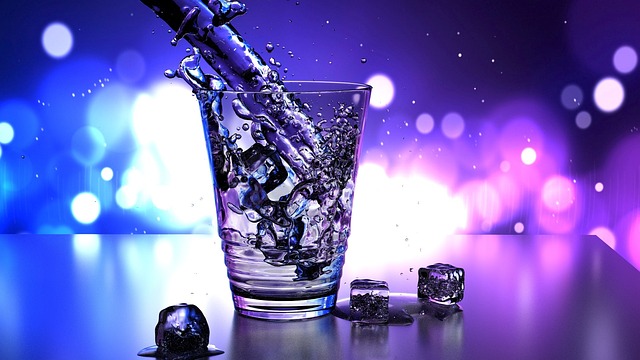

Sparkling water systems can help cut waste. They do this when they replace bottled or canned fizzy water.
The best results come with long use. The machine should last for years. People should use the same bottle again and again. CO₂ cylinders should go back for refill, reuse, or safe recycling.
The fizz is not the main problem. The bigger issue is the full life of the system. This includes making the machine, making the cylinders, moving refills, delivery, and safe disposal.
Key Points
- Sparkling water systems can be better than single-use bottles and cans.
- They are not always a green choice.
- Their impact depends on how long the machine lasts.
- It also depends on refill habits and delivery distance.
- CO₂ cylinder return plans matter.
- CO₂ cylinders should not go in normal trash.
- They should not go in most curbside recycling bins.
- These cylinders are under pressure and need safe care.
- Refill and exchange plans help cut waste.
- Offices should check service, cylinder delivery, water filters, power use, and return rules.
- New rules in Europe show a wider move toward reuse, refill, recycling, and less waste.
What Is Sparkling Water?
Sparkling water is water with CO₂ gas in it. This gas makes the bubbles and fizz. It also gives the water a light, sharp taste. Some sparkling water comes from springs. These springs have natural fizz. Most sparkling water is made by adding CO₂ to water under pressure.
Sparkling water is not the same as soda. It is usually not sweet. Some brands add minerals or natural flavors. Plain sparkling water has only water and CO₂.
What Is a Sparkling Water System?
A sparkling water system adds CO₂ to plain water. This turns still water into fizzy water. People use these systems at home and at work. They are also used in cafés, restaurants, hotels, and shared spaces. Most systems use a CO₂ tank or gas supply. Home systems often use a small machine and a bottle you can use again.
Office systems may connect to a water line. They can serve cold, filtered, still, or fizzy water from a tap.
Common types include:
- Home sparkling water makers
- Reusable bottle systems
- Office sparkling water taps
- Commercial drink dispensers
- Café, restaurant, and hotel systems
The impact depends on how you use the system.
A strong system can cut waste. It works best with bottles you use again and CO₂ tanks you can refill or swap.
A poor system can create more waste. This happens when tanks are hard to return or the machine breaks too soon.
Why Sparkling Water Systems Look Like an Easy Environmental Win
Sparkling water systems are now common in homes, offices, hotels, and cafés.
They give still or fizzy water on demand. Some systems chill the water. Others serve it at room temperature.
They also reduce the need to store bottled drinks. This helps people avoid repeat trips to buy cases of water.
At first, the green case looks simple. Fewer plastic bottles mean less waste. Fewer drink deliveries mean less fuel use. Reusable bottles mean less throwaway packaging.
This idea is partly true. A sparkling water system can be a better choice over time. This is most true when it replaces many plastic bottles, cans, or heavy glass bottles.
But the full story is not simple.
To judge the impact, we need to look at the whole life of the product. This means how it is made, shipped, used, serviced, and thrown away.
UNEP says this kind of full-life check helps compare products in a fair way. It looks beyond what we see at home or work.
This matters because these systems still need parts and support. They need machines, bottles, filters, power in some models, service visits, and CO₂ cylinders.
The Main Green Benefit: Less Single-Use Packaging
The main benefit of a sparkling water system is less waste.
Many homes buy bottles of fizzy water each week. A home can cut a lot of plastic, cans, or glass by using one bottle again and again.
Offices can cut even more waste. One system can replace many cases of bottled drinks for staff, guests, or customers.
This benefit grows when:
- People use the system often.
- The bottles last a long time.
- The machine works for many years.
- CO₂ cylinders are refilled or swapped.
- People stop buying most bottled fizzy water.
The benefit drops when the system sits unused. It also drops when the machine breaks fast. It drops again when people still buy many bottled drinks. In real life, the system works best as a true swap. It should not be one more gadget on the counter.
Where the Impact Comes From
Sparkling water systems do not make fizzy water by magic. They need parts, service, and delivery. The main impact comes from:
- Making the machine.
- Making the bottles.
- Making and filling CO₂ cylinders.
- Moving CO₂ cylinders from place to place.
- Washing and replacing bottles.
- Using water filters in some systems.
- Using power in chilled office systems.
- Handling old machines, bottles, filters, and cylinders.
For many basic home units, power use is low. Some home units use no power at all. Office systems often use more. They may chill water, filter water, need service, and use larger gas tanks. This does not mean these systems are bad. It means the green claim depends on how the whole setup works.
You may like: Club Soda vs Sparkling Water: Which Is Healthier?
The Hidden Issue: CO₂ Cylinders
The CO₂ cylinder is a key part of the story. Each cylinder must be made. Then it must be filled, moved, used, sent back, checked, refilled, and sent out again. When this loop works well, one cylinder can last a long time. When it works badly, empty cylinders can pile up.
They can also get lost or become hard-to-handle waste. That is why the return plan matters.
A system with a simple swap plan is better. It gives users a clear way to return empty cylinders. A system with no clear return plan creates more risk. The problem is not the CO₂ cylinder itself. The problem starts when people treat it like a throwaway item.
Can CO₂ Cylinders Go in Regular Recycling?
In most cases, no. Do not put CO₂ cylinders in normal trash. Do not put them in curbside recycling unless your local waste team says it is safe. These cylinders can still hold pressure. That can create risk during pickup, crushing, or sorting.
Hong Kong’s Environmental Protection Department says compressed gas cylinders should not go in general waste. It also supports reusable and refillable cylinders from trusted suppliers.
This matters for homes and office managers. An “empty” cylinder still needs safe care. The best choice is often a brand swap plan. A supplier take-back service is also a good option. You can also ask your local waste site what to do.
Why Cylinder Return Programs Matter
A good cylinder return plan helps cut waste.
Users do not have to guess what to do next. They send the empty cylinder back. The supplier checks it, refills it, and sends it out again.
This keeps the same cylinder in use for longer. It also cuts the need for new metal and lowers waste.
A good return plan should have:
- Easy drop-off or mail-back choices
- Clear steps on the label or website
- Local places to swap cylinders
- Simple rules for empty cylinders
- Refill cylinders, not throwaway cartridges
- Clear fees or deposits
- Safe steps for damaged or old cylinders
This matters even more at work. Offices often use more fizzy water than one home. So poor cylinder care can create waste fast. A clear return and refill plan should guide the buying choice. It should not be an afterthought.
Home Systems vs. Office Systems: The Impact Is Different
A home sparkling water maker is not the same as a work system. They use different parts. They also have different waste risks.
Home Systems
Home systems often have a small machine. They also use reusable bottles and small CO₂ cylinders.
They work best when a home uses them often. They also work best when users swap or return empty cylinders.
A home user should check:
- Is the cylinder refillable or swappable?
- Does the bottle last a long time?
- Can the bottle go in the dishwasher?
- How often will I need new bottles?
- Do local shops take empty cylinders?
- Does the machine have a repair plan or warranty?
Office and Hospitality Systems
Office systems often serve many people. This can help the green case. It works well when the system replaces many bottled drinks. But office systems can also need more parts and service.
They may use filters, cooling, power, and service visits.
A workplace should check:
- How are CO₂ cylinders sent back?
- When do filters need to be changed?
- How much power does the chilled system use?
- How often does the unit need service?
- Does the supplier take back old parts?
- Do staff know how to handle cylinders safely?
- Does the system reduce bottled drink use?
A work system should be judged by real use. If staff still buy bottled fizzy water, the green savings will be lower.
Are Sparkling Water Systems Better Than Bottled Sparkling Water?
Often, yes. But they must be used often.
Single-use plastic bottles create waste. They also need to be made, filled, shipped, and thrown away again and again.
Aluminum cans are easy to recycle in many places. Still, making them uses energy. Glass bottles can be reused in some cases. But single-use glass is heavy and takes more fuel to ship.
A home or office sparkling water system can cut this waste. It uses one machine and bottles you can use again. Over time, it can replace many packaged drinks.
So the best question is not, “Is one machine better than one bottle?”
The better question is this:
How many bottled or canned drinks will this system replace?
That is the break-even point. A strong system used every day has a better green case. A machine used only a few times does not help much.
Reuse and Refill Matter More Now
Sparkling water is part of a bigger packaging shift in 2025 and 2026. More governments and brands now focus on reuse, refill, and less waste.
In the EU, a new packaging rule, Regulation 2025/40, started on February 11, 2025. Most of it will apply from August 12, 2026. The rule aims to cut packaging waste. It also pushes better recycling and more reuse.
This matters for sparkling water systems. Their value depends on good reuse habits. Refilled CO₂ cylinders, reusable bottles, and clear return systems all help.
Options like sustainable sparkling water cylinders can make a meaningful difference.
Systems designed with reuse, efficiency, and user control in mind help reduce waste while maintaining the convenience that makes sparkling water systems appealing in the first place.
In simple terms, the future is not just “less plastic.” It is more reuse, easier refills, and better waste control.
What to Look for in a Greener Sparkling Water System
Not all systems are the same. Before you buy one, check more than the machine. Look at how the brand supports refills, parts, and returns.
A greener system should have:
- CO₂ tanks you can refill or swap
- Clear return steps
- Easy local or mail-back swaps
- Strong bottles you can use again
- Spare parts or repair help
- Good CO₂ use
- Little extra packaging
- Safe tank storage tips
- Clear care needs
- A long warranty or support plan
For an office, ask one more thing. Does the supplier take back used filters, old units, and damaged tanks?
A system is only as green as the plan behind it.
Practical Tips for Home Users
To lower the impact of a home sparkling water system:
- Use it often, so it replaces bottled or canned drinks.
- Return empty CO₂ tanks through the brand or supplier.
- Keep CO₂ tanks out of curbside bins and normal trash.
- Use each bottle as long as it stays safe.
- Skip backup bottled drinks when your system works well.
- Store tanks safely and follow the user guide.
- Choose a strong machine that will last.
Small habits matter. The green benefit grows with steady use.
Practical Tips for Workplaces
For offices, hotels, restaurants, and shared spaces, check more than price. Also check service, safety, and waste.
Before you install a system, ask:
- How will empty tanks be picked up?
- How often will new tanks arrive?
- Are tanks refilled, swapped, or thrown away?
- Does the supplier give safety steps?
- How much power does the system use?
- How often do filters need to be changed?
- Will this cut bottled drink orders?
- Who handles old equipment?
A workplace can cut waste when it replaces bottled drink orders. The system also needs clear refill and return steps.
If returns are hard, the benefit drops. If bottled drinks stay in use, the benefit drops too.
Why Small Changes Add Up
One CO₂ tank or one bottle may seem small. But the impact grows fast.
Think about homes, offices, cafés, gyms, and hotels. Many small choices add up across all these places.
Simple changes can cut waste. They can also cut the fuel and energy used to move drinks. Better return plans help. Longer-lasting machines help too. Local refill options and clear waste rules also make a difference.
The goal is not to make sparkling water feel hard. The goal is simple. Make easy drinks fit better with greener habits.
Common Mistakes to Avoid
Mistake 1: Thinking every system is green
A system helps only when it replaces bottles or cans. It also needs to last long enough to be worth its materials.
Mistake 2: Ignoring the CO₂ tank
The tank is part of the impact. Return and refill plans matter.
Mistake 3: Putting CO₂ tanks in normal trash
CO₂ tanks are under pressure. They need special care. Follow the brand’s return steps or local waste rules.
Mistake 4: Buying a system with poor support
A cheap machine can turn into waste fast. This happens when parts, bottles, or tanks are hard to replace.
Mistake 5: Keeping bottled drinks as the main choice
The green benefit drops when the system becomes an extra item. It works best when it replaces bottled drinks.
FAQ
Are sparkling water systems good for the environment?
They can be. They work best when they replace bottled or canned drinks. Use the machine often. Keep bottles in use. Return CO₂ tanks the right way.
What is the biggest hidden impact?
The biggest hidden impact is the system around the machine. This includes CO₂ tanks, refills, shipping, and waste handling.
Can CO₂ tanks be recycled?
Do not put them in normal recycling bins. CO₂ tanks need special care. Use the brand return plan, supplier swap program, or local waste site.
Are office sparkling water systems greener than bottled water?
They can be greener when they replace many bottled drinks. Offices also need clear tank returns, filter changes, and repair support.
What makes a sparkling water system greener?
A greener setup uses a strong machine and bottles that last. It also uses refillable or swap-ready CO₂ tanks. Clear return steps matter too.
Conclusion
Sparkling water systems are not always wasteful. They are not always green either.
Their real impact depends on how people use them. It also depends on how long the machine lasts. CO₂ tank returns, bottle life, repairs, and waste steps all matter.
A system can cut packaging waste when it replaces bottles or cans. It works even better when the machine lasts for years. A strong CO₂ return plan also helps.
But the benefit gets smaller when tanks are hard to return. It also drops when machines break fast or users keep buying bottled drinks.
So look beyond the machine. Check the CO₂ tanks, refill plan, supplier support, bottle life, care needs, and waste rules.
That is how homes and workplaces can enjoy sparkling water with less hidden waste.