
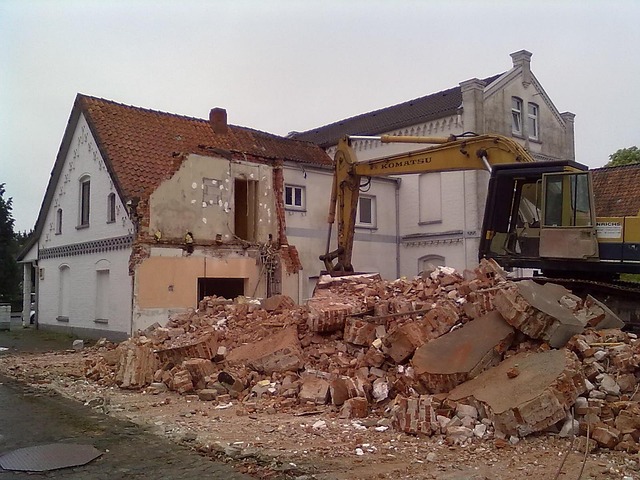

Spring renovation season hits fast in south central Michigan. As the frost leaves the ground and schedules fill up, homeowners move on delayed repairs, businesses push through upgrades, and contractors take on roof tear-offs, remodels, tenant turnovers, and demolition work across Jackson County. That seasonal rush does more than keep crews busy. It also sends a large wave of debris into the local waste stream.
The real issue is not whether spring projects create waste. They do. The better question is how much of that material actually needs to end up in a mixed landfill load.
In many cases, the answer is less than people think.
That lines up with the way Michigan now talks about materials management. The state has been moving away from a disposal-first model and putting more weight on reuse, recycling, and higher-value recovery. That shift matters at the local level because renovation debris is rarely one single waste stream. Once everything gets thrown together, usable material is lost, recyclable loads get contaminated, and items that need special handling are more likely to be mishandled.
Renovation debris is not all the same
One of the most common cleanup mistakes is treating everything removed from a home, storefront, or job site as ordinary trash. In practice, renovation waste breaks into several very different categories.
Some materials still have reuse value. Some can be recycled if they stay clean and separated. Some need special handling because of safety or environmental rules. Only part of the stream truly belongs in mixed disposal.
That distinction matters in Jackson County. Local recycling guidance already separates ordinary recyclables from advanced materials such as electronics, appliances, and household hazardous waste. That alone tells you something important. A material does not become standard trash just because it came out of a renovation project.
Older Jackson County buildings create both value and risk
Jackson County has the kind of building stock that makes waste decisions more important, not less. Older homes and small commercial buildings often contain materials worth saving, including solid wood doors, hardwood trim, old framing lumber, cast-iron fixtures, cabinets, and architectural hardware. Some of those items can be reused, donated, repaired, or salvaged instead of dumped.
That is the upside.
The downside is that older buildings are more likely to contain regulated materials. In homes built before 1978, disturbing painted surfaces can release dangerous lead dust. In those settings, paid renovation work often falls under EPA lead-safe rules. Older structures also raise the chance of asbestos, outdated lighting, old appliances, liquid products, and other materials that should not go into an ordinary mixed debris load.
That is why a responsible renovation plan should not start with a container in the driveway. It should start with a walkthrough and a few direct questions.
- What can stay in place
• What can be repaired or removed intact
• What can be donated or salvaged
• What can be recycled if kept clean
• What needs separate handling because of lead, asbestos, electronics, batteries, appliances, or liquid waste
Projects that answer those questions before demolition starts usually send less material to landfill and create fewer handling problems later.
Reuse and donation work best before demolition starts
The best material recovery often happens before the first real demolition step.
A usable cabinet set is not waste. The same goes for intact doors, working appliances, fixtures, hardware, and leftover building materials in good condition. In Jackson, Habitat for Humanity’s ReStore gives homeowners and contractors a real local channel for some of those items. That matters because reuse only works when there is a practical place for materials to go.
Of course, not everything can be donated. Condition matters. Safety matters. Demand matters. But many projects still default to tear-out-and-toss when a better option is available.
For homeowners, this is often the easiest place to cut waste. For contractors, it comes down to sequencing. Remove reusable items first, protect them from damage, and only then move into demolition and disposal work.
Commercial projects usually lose recyclable material through poor planning
Commercial renovation waste usually does not go to landfill because recovery is impossible. It goes there because sorting was never built into the job.
Office upgrades, restaurant remodels, retail renovations, and tenant turnovers create a mixed stream of carpet, shelving, fixtures, cardboard, packaging, metal, e-waste, and broken finish materials. Once that gets piled together, recovery rates drop fast. Cardboard gets dirty. Metal gets buried. Reusable fixtures break. Electronics end up in the trash.
The fix is simple, but it has to happen early. Businesses and property managers get better results when they plan separate handling for the main waste categories from the start, including enough space for sorting, pickup coordination, and the right dumpster rental setup for the project.
- reusable furniture and fixtures
• cardboard and packaging
• metal
• electronics and appliances
• general demolition debris
• regulated or special waste
Trying to sort everything at the end usually fails because by then the material has already lost value.
For contractors, waste control is part of site control
On contractor-led jobs, waste reduction is less about ideals and more about job-site discipline.
Roofing projects, framing work, light demolition, remodels, and cleanouts generate heavy debris fast. If the container is too small, placed badly, or used as one catch-all pile, recoverable material gets contaminated almost immediately. On a busy site, the fastest option usually becomes the default one.
That is why better waste handling depends on basic site management.
- Match container size to the job
• Pull salvageable items before demolition
• Keep metal, clean cardboard, and other recoverable materials separate where possible
• Isolate regulated materials right away
• Keep liquids, hazardous products, and prohibited items out of mixed loads
The environmental benefit matters, but the operational benefit is just as real. Cleaner loads are easier to manage, easier to move, and less likely to create disposal problems later.
Some renovation materials should never be treated as ordinary debris
A credible local renovation piece needs to say plainly that some common project wastes require separate handling from the start.
Michigan bars certain materials from landfill disposal and places extra rules on others. That includes items such as lead-acid batteries, many electronics-related products, some appliances, and liquids that fail the paint filter test. Jackson County also treats appliances, electronics, and household hazardous waste as advanced materials with separate handling pathways.
On real renovation jobs, that means extra caution around:
- lead dust and debris from older painted surfaces
• asbestos-containing materials
• paints, stains, solvents, and similar liquid products
• lead-acid batteries
• electronics
• refrigerant-containing appliances
• fluorescent lamps and other mercury-containing items
This becomes more important in older houses, schools, shops, and commercial buildings. Once regulated material gets mixed into a general debris load, disposal becomes harder, cleanup becomes slower, and the compliance risk goes up.
What sustainable renovation looks like in practice
In practice, sustainable renovation is less about perfection and more about sequence. The projects that reduce waste usually follow a cleaner order of work.
First, identify what can stay, what can be repaired, and what can come out intact.
Next, remove reusable and donatable items before major demolition begins.
Then separate clean, recoverable materials while they still have value.
After that, isolate any regulated or special wastes.
Use mixed disposal only for what is broken, contaminated, non-recyclable, or unrealistic to recover.
That sequence works for homes, businesses, and contractor-led jobs for the same reason. Once materials are mixed, their value drops and their handling gets harder.
Jackson County has real diversion options, but planning still decides the result
Jackson County is not starting from zero. Local recycling guidance, reuse outlets such as the Jackson Habitat ReStore, household hazardous waste collection programs, and county-level materials planning all make better diversion possible.
Still, access to programs does not reduce waste by itself. Planning does.
If a homeowner waits until demolition day to decide what gets saved, the salvage value is usually gone. If a business treats waste sorting as a cleanup task instead of part of project planning, useful material ends up mixed together. If a contractor does not build waste handling into site operations, recoverable debris turns into disposal tonnage.
That is why the most accurate way to describe sustainable spring renovation in Jackson County is not “recycle more.” It is simpler than that. Make better decisions before materials become waste.
Bottom line
Spring renovation in Jackson County does not need to default to landfill-heavy cleanup. The strongest projects treat waste handling as part of the job from the beginning, not as a hauling problem at the end. Reuse should come before disposal. Recycling works best when materials are separated early. Older buildings need more attention because lead, asbestos, and other regulated materials change the rules. And some common renovation wastes should never be thrown into an ordinary mixed load in the first place.
That kind of planning protects material value, reduces compliance trouble, and keeps the project better organized from start to finish.