

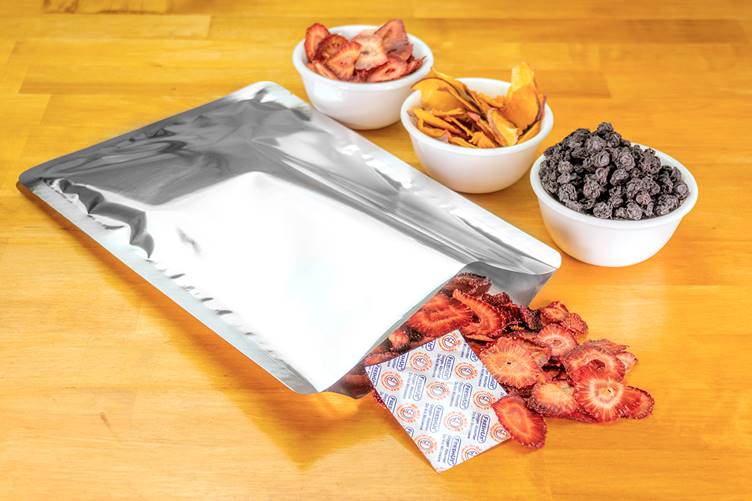

Mylar bags are now being used as one of the most popular methods of storing food and emergency preparedness and commercial packaging. These bags are usually used to store dry foods that will not go to waste even after several years and this leads to an important question among many consumers and this is whether they are safe in storing foods?
In order to have a clue regarding their safety, a person should learn about the material Mylar bags are composed of, their usage and how they react to food. Mylar bags offer great protection against oxygen, moisture and light which are the predominant factors that lead to food spoilage when used appropriately. This has made them the favorite product among households and industries that need good long-term storage facilities of food.
This guide explains the material composition of Mylar bags, their environmental impact, industries that rely on them, the types of food that can be stored safely, and the best practices to maximise shelf life.
Are Mylar Bags Toxic?
Food-grade Mylar bags are usually safe for dry food storage. The bag itself is not the main problem. The bigger risk is how people use it. Trouble starts when people use non-food-grade bags. Problems also happen when they store wet foods, seal bags badly, or store food the wrong way. So the short answer is this: food-safe Mylar bags are generally safe, but poor use can cause real food safety risks.
What Are Mylar Bags?
Mylar bags are high barrier flexible packaging pouches that are composed of a niche polyester film called BoPET (biaxially oriented polyethylene terephthalate). This material is very strong, light and does not absorb moisture, oxygen and even light.
“Mylar” was initially used to denote a brand name of polyester film, however, it is widely used in modern times to mean metallised polyester bags that store and package goods.
Mylar bags used as food packages are usually made in more than one layer of laminate. These layers have a collaborative role to ensure the security of the contents within the bag.
Key Characteristics of Mylar Bags
- Excellent barrier against oxygen and moisture
- Strong protection against light exposure
- Light weight and strong
- Impervious to pricks and cuts
- Suitable for long-term food storage
These features make food-grade mylar packaging to be one of the most trusted to preserve dry foods in the long term.
Typical Layers of a Mylar Bag
Polyester Layer (Outer Layer)
This coating is strong and resilient. It ensures that the bag is not torn, punctured or damaged externally.
Aluminum Foil Layer (Barrier Layer)
The light, oxygen, and moisture blockage are attributed to the aluminum layer. These environmental conditions may compromise on the quality of foods and decrease shelf life.
Polyethylene Layer (Inner Food-Safe Layer)
The inner layer is made food contact safe. It inhibits chemical reactions between the storing product and the packaging.
Due to the multi-layered design, Mylar bags for food storage are a high-barrier packaging that isolates foods and other items against external factors in the environment.
What “Food-Grade” Means
Not every shiny bag is safe for food. A food-grade Mylar bag is made for direct food contact. It should have an inner layer that is safe to touch food during normal storage. This matters because some parts of packaging can move into food over time. That is why food-contact materials are checked for safety before use.
For readers, the key point is simple. Food-grade Mylar bags are not the same as generic metallized pouches. Buyers should choose bags sold for food storage. They should also follow the maker’s instructions.
Do Mylar Bags Leach Chemicals?
Food-contact materials are judged by a simple question. Can small amounts of material move into food? If yes, is that amount still within safe limits? Safety agencies such as the FDA and EFSA look at this issue through migration and exposure. They do not assume packaging stays unchanged in every situation.
So the practical answer is simple. Properly made food-grade Mylar bags are generally seen as safe for their intended use. But poorly made bags, non-food-grade bags, or bags used the wrong way may not offer the same safety. Readers should choose food-safe bags and use them only for the right foods.
Are Mylar Bags Environment Friendly?
Mylar food storage boxes and their environmental effects are an issue that became a subject of the growing debate in the packaging industry. Although they have a number of benefits as far as food conservation is concerned, recycling is more complicated than single-material packaging.
Reduced Food Waste
One of the great advantages of Mylar packaging is that it greatly increases the shelf life of foodstuffs. With a longer lifespan of food, there will be less wastage of food and this would help reduce the environmental impact of food production and disposal.
Lightweight Packaging
Mylar bags are relatively light compared to glass jars or metal cans. This minimises transportation weight which may decrease the consumption of fuel and shipping emissions.
Durability and Reusability
Good Mylar bags could be reused as dry storage provided that they are not torn and cleaned well.
Industries That Use Mylar Bags the Most
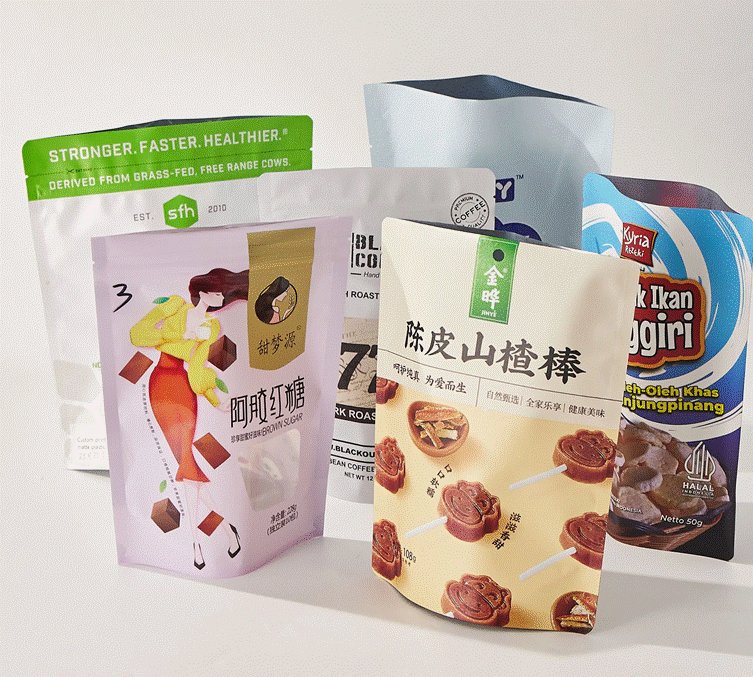
Mylar bags find application in a very large number of industries due to their capacity of protection from a barrier. They are highly versatile because they are able to protect the products against moisture, oxygen and light.
Food Industry
Mylar bags are mostly used in the food industry. These are the bags that are used to package:
- Coffee
- Tea
- Snacks
- Dry fruits
- Grains
- Powdered foods
- Spices
Manufacturers of food use Mylar packaging as the way to preserve freshness and avoid contamination.
Emergency Food Storage
Preparedness communities and emergency food suppliers use Mylar bags to store staple foods such as rice, beans, wheat, and oats for long periods.
Cannabis Industry
The use of mylar bags in the cannabis business is quite common, as it stops light, keeps the aroma, strength and freshness.
Pharmaceutical and Supplement Industry
Mylar pouches are used to package vitamins, protein powders, herbal supplements, and medicinal products to preserve the stability of the product.
Electronics Industry
Mylar bags with anti-statics are specially designed to prevent the damage of sensitive electronic parts by electrostatics during delivery and storage.
Which Foods Are Best Stored in Mylar Bags?
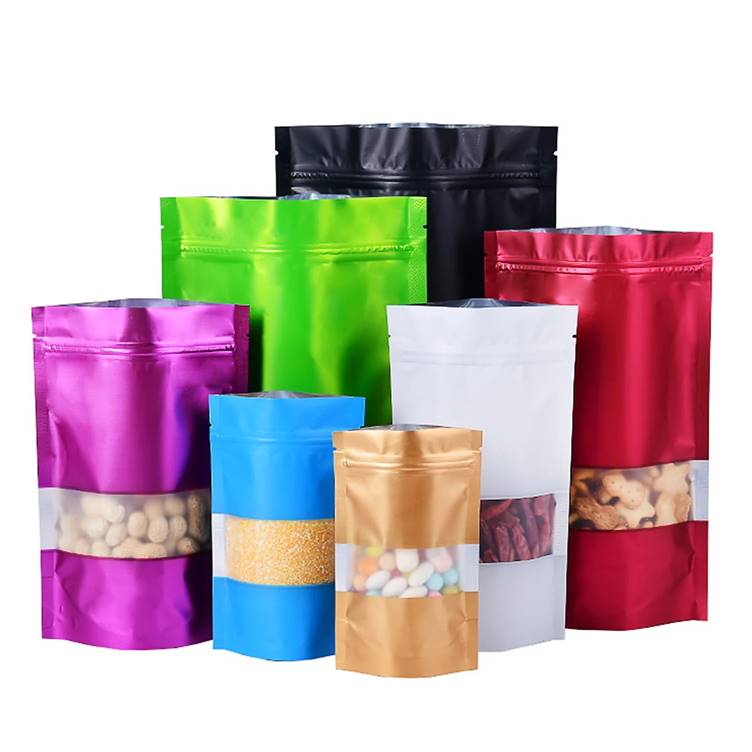
The mylar bags are ideal when dealing with foods that are dry, less in oil and those that are low in moisture. The properties are used to avoid spoilage and enable foods to last several years.
| Food Type | Why It Works Well in Mylar Bags |
| White Rice | Low moisture and stable composition |
| Dry Beans | Excellent for long-term storage |
| Lentils | Resistant to spoilage |
| Pasta | Very low moisture content |
| Rolled Oats | Stable grain with long shelf life |
| Dehydrated Vegetables | Protected from moisture and oxygen |
| Powdered Milk | Maintains quality when sealed |
| Sugar | Does not spoil when kept dry |
| Salt | Extremely stable mineral product |
| Flour (refined) | Can be stored for extended periods |
The best dry goods to store in Mylar are those that contain less than 10 percent moisture levels.
Does Mylar Packaging Increase Shelf Life?
Yes, Mylar bags help a lot to preserve the shelf life of various foods. The aluminum wrapping prevents the oxygen and moisture which are the primary agents of spoilage. It is a common technique of the long-term storage of food and emergency preparedness.
Average Shelf Life of Foods Stored in Mylar Bags
| Food Product | Average Shelf Life |
| White Rice | 20 – 30 years |
| Dry Beans | 20 – 30 years |
| Lentils | 20 – 25 years |
| Pasta | 20 – 25 years |
| Rolled Oats | 15 – 20 years |
| Powdered Milk | 15 – 20 years |
| Dehydrated Vegetables | 10 – 15 years |
| Wheat Berries | 25 – 30 years |
| Sugar | Indefinite if dry |
| Salt | Indefinite |
Those estimates presuppose the storage of the food in closed Mylar bags with oxygen absorbers and in a cool and dry place.
The Real Risks
For most homes, the main risk is not normal toxicity from a food-grade Mylar bag. The bigger risk is poor storage. Long storage life depends on dry food, low oxygen, a strong seal, and cool temperatures. If one part goes wrong, food quality and safety can drop fast.
This is important because Mylar bags are often linked with long-term storage. That can make people feel too safe. But the bag is only one part of the system. Moisture, heat, broken seals, and the wrong kind of food are often the bigger risks. That is a more useful way to explain the issue.
Storage Temperature Guide for Mylar Bags
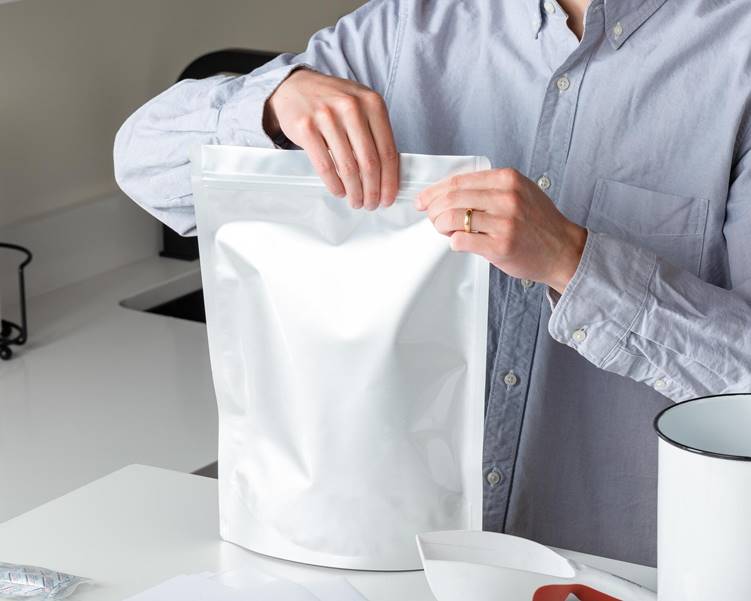
The temperature is also critical in the stability of food kept in Mylar bags. High temperatures have the potential to hasten chemical reactions which lead to the degradation of food despite the use of oxygen absorbers and effective sealing.
| Storage Temperature | Shelf Life Impact |
| 40–50°F (4–10°C) | Maximum shelf life and optimal long-term preservation |
| 60–70°F (15–21°C) | Good storage conditions for most dry foods |
| Above 80°F (27°C+) | Faster food degradation and reduced shelf life |
Best Storage Conditions
Mylar bags should be kept in environments where possible they must be:
- Cool and dry
- Protected from direct sunlight
- Free from humidity and moisture
- Safe from pests or physical damage
Which Foods Are Not Safe to Store in Mylar Bags?
As Mylar bags are a perfect food packaging, there are other products that do not preserve well in Mylar bags. Foods that have high oil content or moisture are easily spoiled even when they are in airtight condition.
| Food Type | Reason |
| Brown Rice | Natural oils cause rancidity |
| Whole Wheat Flour | Higher fat content |
| Nuts | Oils oxidise over time |
| Seeds | Fat breakdown reduces shelf life |
| Granola | Contains oils and sugars |
| Fresh Fruits | High moisture leads to mold |
| Fresh Vegetables | Spoilage due to moisture |
| Soft cheeses | Require refrigeration |
| Moist cooked foods | Risk of bacterial growth |
Various Different Sizes and Types of Mylar Bags
Depending on the use of the mylar bags, they come in a variety of sizes, levels of thickness and style.
Thickness of Mylar Bags
Thickness is measured in mils (1 mil = 0.001 inch).
- 3–4 mil bags – suitable for light storage
- 5 -7 mil bags – large size bags are recommended in long term food storage.
- 8–10 mil bags – heavy-duty protection
Common Sizes and Suitable Foods
| Mylar Bag Size | Storage Capacity | Suitable Foods |
| Small (1 Quart) | 0.5 – 1 kg | Spices, powdered milk, coffee |
| Medium (1 Gallon) | 2 – 3 kg | Rice, lentils, pasta |
| Large (5 Gallon) | 15 – 20 kg | Wheat, oats, bulk grains |
| Flat Pouches | 100 – 500 g | Snacks, dried fruits |
| Stand-Up Pouches | 200 g – 2 kg | Retail snacks, candy, tea |
| Zipper Mylar Bags | Small quantities | Herbs, supplements |
Different packaging styles allow manufacturers to choose the best option for their products.
Mylar Bags vs Other Packaging Materials
Mylar bags should be compared with other materials when selecting the one to use when storing food or commercial products.
Mylar Bags vs Plastic Bags
Plastic bags are usually used due to their cheap and easy production. Nevertheless, they offer very little protection as opposed to Mylar bags.
Plastic bags will permit the passage of oxygen and moisture with time and this may lead to spoiled food. They are also not very protective of light exposure.
Large mylar bags, however, are coated with a layer of metal that prevents oxygen, moisture and UV light. This renders them much more useful in long-term storage.
Mylar Bags vs Vacuum Sealing
Vacuum sealing involves the elimination of air through a bag prior to its sealing. This assists in diminishing oxidation and improves shelf life.
Nevertheless, even vacuum-packed plastic bags and containers fail to exclude the entry of traces of oxygen and moisture with time. Mylar bags with the oxygen absorbers tend to be more effective in long-term storage, which is many years.
Vacuum sealing is preferred to store goods short-term in refrigerators or freezers.
Mylar Bags vs Glass Containers
Another widespread storage is the use of glass containers. They are reusable, environmental and non-reactive.
Nevertheless, glass jars are bulky, delicate and they are also transparent to light unless stored under a dark environment. They are also not so useful in terms of bulk storage.
The mylar bags are lighter, space-efficient and light to block.
Comparison of Different Packaging Options
| Packaging Type | Barrier Protection | Shelf Life | Reusability | Cost | Best Use |
| Mylar Bags | Excellent | Very long | Moderate | Medium | Long-term food storage |
| Plastic Bags | Low | Short | Low | Low | Short-term storage |
| Vacuum Sealed Bags | Medium | Medium | Low | Medium | Refrigerated storage |
| Glass Containers | High (except light) | Long | High | High | Kitchen storage |
How Businesses Can Customise Mylar Bags?
Manufacturers offer many customisation options for custom mylar bags, allowing businesses to design packaging that fits their product and brand needs.
Size Customisation
Based on the weight and packaging needs of products, businesses have an option of selecting bag sizes.
Printing and Branding
Good printing methods enable brands to include the logos, colours, product and beautiful graphics.
Bag Style
Custom mylar bags can be designed as:
- Stand-up pouches
- Flat pouches
- Zipper bags
- Window bags
- Gusset bags
Surface Finishes
Businesses have the options of:
- Matte finish
- Glossy finish
- Metallic finish
- Soft-touch coating
Functional Features
Additional features can include:
- Tear notches
- Resealable zippers
- Hang holes for retail display
- Transparent windows
How to Increase the Shelf Life of Mylar Food Storage Bags?
Proper storage techniques can greatly improve the effectiveness of Mylar packaging.
Use Oxygen Absorbers
Oxygen absorbers are used to eliminate any remaining oxygen in the bag. This helps eliminate the process of oxidation and retard food degradation.
Heat Seal the Bags
Heat sealing ensures the bag is airtight. Even small amounts of air can reduce shelf life.
Choose Thick Bags
Bags that are 5 to 7 mils thick offer more puncture and air resistance resistance.
Store in a Cool Environment
Reduced temperatures reduce the rate of chemical reactions that lead to degradation of food.
Keep Away From Sunlight
Light is known to destroy food nutrients and spoil food. Mylar packaging bags already eliminate most of the light, although storage in the dark provides additional protection.
Protect With Storage Containers
Several individuals keep their Mylar pouches in food grade buckets to keep them rodent and damage free.
Avoid Moisture
Mylar packaging bags should only be used to store dry foods in order to avoid mold and bacterial growth.
Wrap Up
Mylar bags are among the surest solutions to packaging of dry foods, as well as shielding products against environmental detriment. Their multilayer design provides a robust protection against oxygen, moisture, and light giving many foods a chance to last decades upon appropriate storage.
Nevertheless, it should be used correctly. Mylar bags should only be used to store dry foods that are low in oil, and they can be accompanied with oxygen absorbers and a combination of good seals to ensure that there is better result of storage.