

Eryri National Park in North Wales is known for its rugged mountains, forest trails, and challenging cycling routes. But these landscapes also contain sensitive habitats that require ongoing protection. As visitors explore the park, conservation teams are working to restore damaged peatlands, protect ancient woodlands, and improve conditions for native wildlife.
The Eryri National Park Authority works with conservation organisations and landowners on projects that address habitat degradation and biodiversity loss. For mountain bikers, understanding these efforts helps explain how the park balances outdoor recreation with the need to protect its natural habitats.
Traws Eryri: 196km Blending Public Rights of Way and Existing Tracks
Launched in August 2023, Traws Eryri is a 196-kilometre off-road cycling route connecting Machynlleth and Conwy through the mountains and forests of North Wales. Developed by Cycling UK with support from Natural Resources Wales, the route follows existing bridleways, forest tracks, and cycle paths, along with sections made accessible through agreements with landowners.
The journey takes riders through the forests of Coed y Brenin and Gwydir, past the Mawddach Estuary, and across rugged mountain landscapes. With nearly 4,000 meters of total ascent, it’s a challenging multi-day ride that follows established tracks for much of the route. This approach limits the need to establish entirely new routes through the landscape, although it does not eliminate the environmental impacts of cycling.
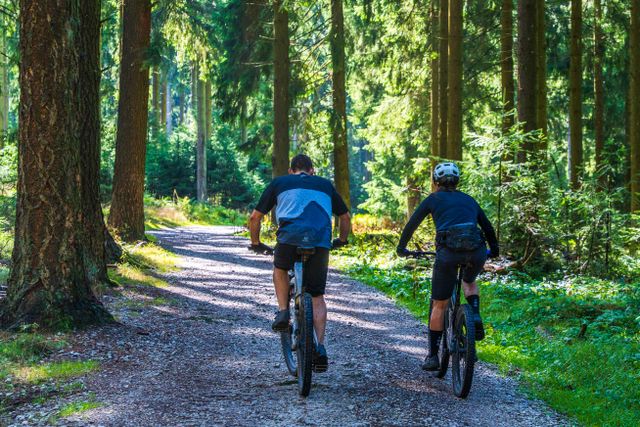
The original route covers 196 kilometres, while some organised itineraries take longer variations. Steep climbs, rocky descents, and long stretches through remote countryside are all part of the experience for riders trying self-guided Traws Eryri mountain biking. Staying on designated cycling routes and following local access guidance helps limit disturbance to surrounding habitats.
Why Do Eryri’s Peatlands Store 52% of Its Soil Carbon?
Peatlands cover approximately 12% of Eryri National Park but hold an estimated 52% of its soil carbon, equivalent to around 17 million metric tons. These waterlogged landscapes accumulate partially decomposed plant material over thousands of years. Their wet conditions slow decomposition, allowing large quantities of carbon to remain stored beneath the surface.
When peatlands are drained or damaged, exposed peat can dry out, releasing stored carbon and becoming vulnerable to erosion. The Eryri National Park Authority identifies drainage ditches, overgrazing, forestry, and historical peat cutting among the causes of degradation. Off-trail activity can also disturb sensitive ground, making it important for mountain bikers to remain on permitted cycling routes.
The National Park Authority is working with landowners and conservation partners to restore damaged peatlands by blocking drainage ditches, reshaping eroded peat banks, and restoring vegetation. These measures aim to raise water levels, reduce erosion, and protect stored carbon. The work also benefits wetland habitats that support species including curlews, snipe, and sphagnum moss.
Bwlch y Groes Delivered Wales’ First Carbon-Funded Peatland Restoration
At Bwlch y Groes, on the edge of Eryri National Park, a 66-hectare peatland restoration project was completed in 2021. Led by the Snowdonia National Park Authority in partnership with local landowners, the work focused on repairing damaged blanket bog between the Aran Fawddwy and Berwyn mountain ranges.
Conservation contractors reshaped eroded peat banks and blocked gullies to help retain water within the bog. The project combined public funding from the Welsh Peatlands Sustainable Management Scheme with private finance generated through carbon credits validated under the Peatland Code. It was the first completed peatland restoration project in Wales to use this funding approach.
The project is estimated to prevent approximately 2,335 metric tons of carbon dioxide equivalent emissions over 35 years. Forest Carbon helped arrange the sale of credits to DEYA Brewing, providing funding linked to the site’s long-term management. Improved water quality and healthier habitats are also expected benefits, although their long-term outcomes have yet to be established.
Celtic Rainforests: Eryri’s Part in a £7 Million Restoration Project
Eryri’s Atlantic oak woodlands support rare lichens, mosses, and fungi that thrive in the region’s damp climate. These temperate rainforests are the focus of the LIFE Celtic Rainforests Wales project, a conservation initiative supported by approximately £7 million in funding from the EU LIFE program and other partners.
Led by the Eryri National Park Authority with conservation partners, the project tackles invasive Rhododendron ponticum, which can spread through native woodlands and restrict the growth of other plants. Restoration work also includes improving ancient woodland habitats and introducing controlled grazing to help manage vegetation.
The project’s conservation partners include the Woodland Trust, RSPB, Welsh Water, and Natural Resources Wales. Their involvement supports efforts to improve ancient woodland habitats and protect the plants and wildlife that depend on them. Long-term ecological recovery will depend on continued management and monitoring.
Cynllun Yr Wyddfa Relaunches in July 2025 to Protect the Mountain
The Eryri National Park Authority relaunched Cynllun Yr Wyddfa, its dedicated mountain management plan, on July 15, 2025. Developed with local communities, farmers, conservation organisations, and tourism stakeholders, the revised plan aims to protect Yr Wyddfa’s natural habitats and cultural heritage while improving how visitors access the mountain.
The partnership addresses several pressures associated with one of Wales’ busiest mountain destinations, including visitor congestion and the need to maintain established walking routes. Its work also encompasses biodiversity protection, community involvement, and more sustainable transport. The Sherpa’r Wyddfa bus network is one example of how the partnership encourages visitors to reach the mountain without relying entirely on private vehicles.
The revised plan outlines priorities for the next five years, with conservation projects and management responsibilities shared among participating organizations. While path maintenance and habitat protection are part of the wider effort, their effectiveness depends on continued implementation and monitoring. The plan provides a framework for managing visitor pressure, but its long-term environmental outcomes remain to be assessed.
Can riders and restoration share Eryri?
Eryri’s conservation projects show how land managers are addressing the environmental pressures facing the national park. The Traws Eryri route uses existing tracks and access agreements, while peatland restoration and mountain management initiatives focus on protecting sensitive habitats and improving conditions across the landscape.
For mountain bikers, staying on permitted routes is one way to limit additional disturbance. The longer-term success of Eryri’s conservation efforts will depend on continued funding, effective management, and evidence that restoration measures are delivering measurable improvements.