

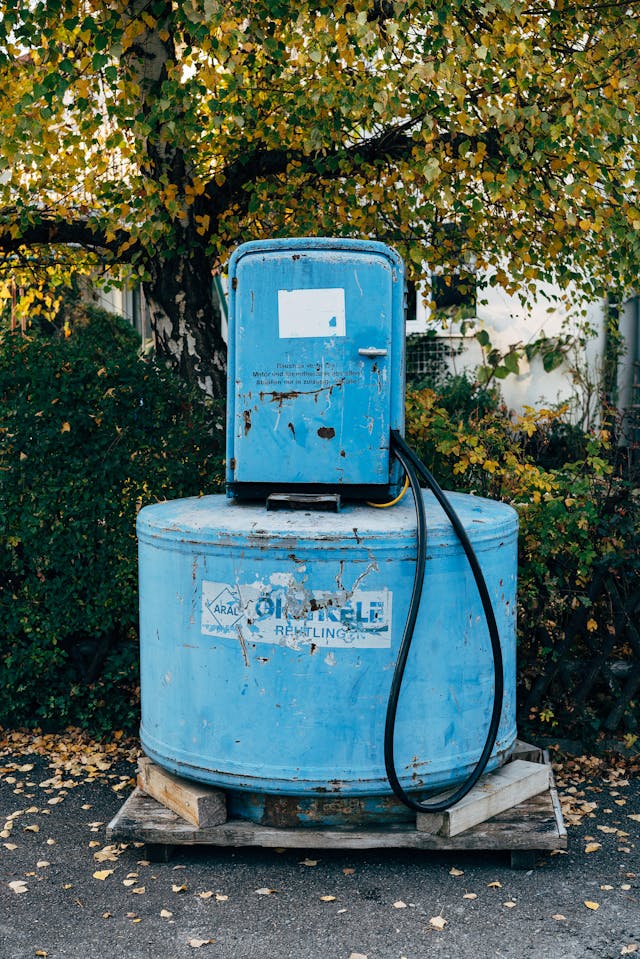

In New Hampshire, homeowners are faced with a lot of different challenges during cold weather months, including concerns about their home and family being warm and getting the proper fuel supply for their furnace. One area that many homeowners do not think about until it’s too late is the condition of their oil tank.
In 2026, the state will provide some unique opportunities for the residents of New Hampshire through programs like NH Safetank and also new financial incentives to help proactive homeowners update their systems to save thousands of dollars when they replace their heating oil tanks.
Maximizing ROI with the NH Safetank Program
One of the most generous financial assistance programs available to help lower-income families in New Hampshire replace old and dangerous residential heating oil tanks is the state’s Safetank Financial Assistance Program. The ultimate goal of the NH Safetank Program is to remove as many older, single-wall steel tanks as possible and replace them with new, corrosion-resistant tanks by 2026.
The first step in evaluating the process for replacing your home heating oil tank is to review an all-inclusive heating oil tank replacement handbook to see if you qualify. By using local utility rebates combined with state grants, many residents in New Hampshire can obtain funding that covers a substantial portion (often 50 percent or more) of their installation costs. This proactive approach not only protects your home from potential leaks but will also greatly increase the resale value of your home in the long term.
Why 2026 is the Strategic Year for Upgrades
The current year has seen a shift in how energy incentives are structured. Beyond the NH Safetank program, federal tax credits under the latest environmental initiatives have made high-efficiency tank systems more accessible. Modern tanks, particularly double-bottom or double-wall vacuum-sealed models, now qualify for various “green home” credits because they virtually eliminate the risk of environmental contamination.
Currently, the net investment for homeowners replacing their current heating oil tank is historically low. Waiting for a failure to occur before taking action puts you at risk of paying for different types of emergencies due to labour costs that could be inflated if your tank were to break down in February’s frost. There would also be some form of soil contamination that would require remediation should your existing tank have leaked, making it very costly to replace your heating oil tank in February. Therefore, by scheduling a heating oil tank replacement during the milder months of 2026, you can expect to pay less as your contractor’s pricing will be lower than during peak seasons; you will also have adequate time to process your state and federal paperwork.
Identifying the Right Time to Act
While most of us have some idea about how long our houses should last before we need to replace any parts, we often find ourselves in the dark as to whether they are safe for one more season or not. The key to avoiding high dollar amounts in emergencies is understanding the subtle signs of deterioration in our houses and their systems.
Here are a couple of examples of commonly seen indicators that a heating oil tank is ready to be replaced:
Look for “weeping” at the sides of the tank — the presence of dark or wet areas; rust on the tank’s legs at the base; the smell of fuel in your basement; or a sudden increase in the amount of fuel consumed by your heating system. If your tank is older than 20 years and it is single-walled, then chances are good that it is approaching the end of its reliable service life and shouldn’t be operating safely, regardless of its physical appearance.
Can I replace my oil tank myself to save money?
In New Hampshire, professional installation is strongly recommended and often required to qualify for state incentives or insurance coverage. A certified technician ensures that the new system meets all NFPA 31 standards and that the old tank is disposed of according to environmental regulations. Furthermore, programs like NH Safetank require proof of professional installation to release grant funds.
The Long-Term Benefits of Modern Tank Technology
Modern tank technology has evolved significantly from the standard steel drums of the past. Today’s options include high-density polyethylene (HDPE) inner liners and galvanized steel outer shells. These “tank-in-a-tank” designs provide a level of security that was previously unavailable.
Investing in a heating oil tank replacement now also simplifies your relationship with home insurance providers. Many insurers in the Northeast have begun requiring tank inspections or upgrades to maintain coverage. By installing a modern, UL-listed system today, you protect your ability to secure affordable homeowners’ insurance for years to come.
Conclusion: Taking the Next Step
When upgrading your home’s fuel storage, it doesn’t have to be an expensive undertaking. Researching New Hampshire’s specific 2026 incentives for heating oil tank replacements, along with following a guide to heating oil tank replacement will help you feel confident as you complete each step of this process. By acting now, you can take advantage of state funds/financial assistance for upgrading to a new heating system, protect your property from any potential environmental hazards due to leaking fuel tanks, and assure that you have a safe and modern heating system for the years ahead.