

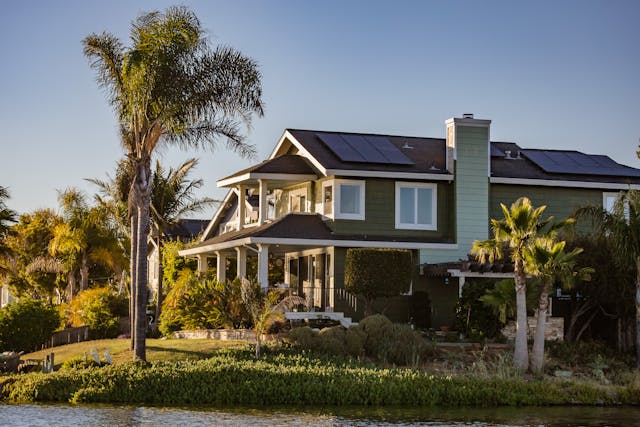

Sustainable living is more than a trend. It is a thoughtful approach to how we use resources, reduce waste, and design homes that work in harmony with the planet. Powering a home sustainably not only lowers energy costs but also reduces carbon emissions and contributes to a healthier environment for future generations.
Whether you are just starting your sustainability journey or looking to deepen your eco-friendly practices, this guide will help you understand practical steps toward a greener home. From energy audits to renewable power solutions, explore the most effective ways homeowners can take control of their energy footprint below.
What Is Your Current Energy Use?
Before making changes, it is essential to know where you are starting. Conduct a simple home energy audit to identify which appliances, systems, or habits are consuming the most power. Many utility companies offer free or low-cost audits that help you pinpoint inefficiencies.
Look at lighting, heating and cooling systems, kitchen appliances, and electronics. Are lights left on in unused rooms? Is your heating system outdated or running longer than necessary? These insights will steer your sustainability plan toward the most impactful improvements.
Embrace Energy Efficiency First
Sustainable power begins with using less energy in the first place. Energy efficiency upgrades often yield the most immediate benefits:
- Replace incandescent bulbs with LED lighting throughout the home
- Insulate walls, roofs, and floors to prevent heat loss
- Seal drafts around doors and windows with weatherstripping or caulking
- Choose energy-efficient appliances with high Energy Star ratings
- Install smart thermostats that optimize heating and cooling schedules
By reducing energy waste, you lower consumption and shrink the size of the renewable energy system you need to power your home sustainably.
Explore Renewable Energy Options
Once energy efficiency is addressed, turning to renewable energy sources is the next step. Solar power is one of the most accessible and scalable options for homeowners.
While traditional rooftop solar panels are widely known, portable and modular solar power solutions are gaining popularity for their flexibility and affordability. Power and Pedal solar power stations allow homeowners to capture and store solar energy without major installation work.
Solar power stations can:
- Provide backup energy during outages
- Power outdoor activities and gardening tools
- Charge batteries for electric vehicles and devices
- Support off-grid or low-grid lifestyles
These systems make renewable energy approachable for renters, homeowners with limited roof space, and anyone wanting to add independent, clean power to their home.
Maximize Solar Potential
To get the most from solar investments:
- Position solar panels or stations where they receive the most sunlight throughout the day
- Keep panels clean and free of debris
- Pair solar setups with energy-efficient appliances to balance supply and demand
- Consider battery storage systems to capture excess energy for later use
If you live in a region with variable sunlight, energy storage is vital for consistent performance.
Integrate Smart Home Technologies
Smart technologies make sustainable energy management more intuitive. Smart plugs, lighting, and thermostats can automatically adjust based on usage patterns and weather forecasts. Some systems will alert you when energy use spikes, allowing you to make real-time decisions that conserve power.
Integration with solar power systems enables homeowners to make the most of renewable energy, especially when coupled with automated schedules that prioritize solar use during daylight hours.
Address Heating and Cooling Efficiently
Home heating and cooling are among the biggest energy drains. To sustainably manage these systems:
- Upgrade to heat pumps, which are more efficient than traditional furnaces
- Use programmable thermostats to avoid heating or cooling unused spaces
- Enhance insulation and airflow to minimize temperature fluctuations
Passive design strategies, such as shading windows in summer and capturing sunlight in winter, can significantly reduce energy needs.
Think Long-Term and Stay Informed
Sustainable power is a long-term commitment. Keep up with new technologies, incentives, and community initiatives that support renewable energy adoption. Many regions offer tax credits, rebates, or grants for homeowners who install solar systems or improve energy efficiency.
Stay informed about emerging practices in energy storage, green building materials, and eco-friendly landscaping. Each step, no matter how small, contributes to a home that aligns with sustainability principles.
The Bigger Picture of Sustainable Living
Powering your home sustainably is more than installing panels or cutting energy use. It is about adopting a mindset that values resource stewardship, innovation, and thoughtful design. When homeowners approach sustainability with intention, the impact extends far beyond their property lines.
With improved efficiency, smart energy management, and renewable power solutions, you can build a home that not only serves your needs but also contributes to a healthier planet. This is the future of responsible homeownership, where comfort, savings, and sustainability go hand in hand.