

Climate change is already shaping our world in tangible ways, and its impact on our homes is undeniable. Rising global temperatures, severe weather events, unpredictable seasonal patterns, and increasing sea levels compel us to reconsider how we build and maintain our living spaces. The challenge is clear: adapt our homes to face these very real climate challenges head-on. Ignoring it isn’t an option, nor is taking a passive stance. We must act decisively and construct homes that stand resilient against both present and future climate threats.
Going Green with Sustainable Materials
One of the most straightforward ways to climate-proof homes is to opt for sustainable building materials. Not all materials are created equal. Some can endure harsher conditions better and last longer, contributing to the home’s overall resilience. We’re talking materials like recycled steel, bamboo, or even emerging composites that promise longevity and adaptation against weather extremes. Not only do they offer strength, but they also lessen environmental impact—an added bonus for the eco-conscious homeowner.
Whether retrofitting your existing plumbing systems or overhauling your entire energy framework, consulting with experts in the field ensures efficiency and cost-effectiveness. Professionals from Nichols Plumbing, Electrical, & HVAC can provide guidance on sustainable solutions tailored to your home’s unique needs, ensuring resilience while embracing ecological practices.
Incorporating nature-inspired design elements into our homes can further bolster sustainability. Living roofs, for example, act as natural insulators, absorbing rainwater and reducing runoff. Walls constructed from earth-stabilized blocks tap into natural insulative properties, maintaining an internal balance of temperature. Solar valuation in building materials, like sun-reflecting coatings and UV-resistant windows, further shields interiors while letting the sun fuel energy solutions.
Location Matters More Than Ever
Choosing where to live isn’t a mere matter of preference anymore; it’s a crucial decision influenced heavily by climate considerations. Coastal areas, prone to flooding and devastation by storms, present unique challenges. Inland areas, however, aren’t without risks. Dry spells and heatwaves can be just as devastating. The impact of environmental factors should now take precedence in determining the ideal location for building or purchasing a home.
Understanding local topography becomes vital. Natural barriers like hills or elevated landscapes can provide temporary relief against rising water levels. Additionally, proximity to natural water bodies may demand systems to manage potential overflow. Zoning laws and local regulations often reflect these geographical challenges by dictating building standards that can influence decisions. Adopting a community-centric approach, studying the efforts of local governing bodies, and consulting with local experts can save significant resources in the long run.
Smart Design: Beyond Aesthetics
Design isn’t just about making things look pretty; it’s about functionality and foresight. Roofs should tilt at ideal angles to harvest rainwater, windows should ideally face the optimal direction for natural heating and cooling opportunities, and homes should be elevated to mitigate flood risks. Such design philosophies need to become mainstream. They’re not expensive or exclusive ambitions; they are rational reactions to the realities we face.
Incorporating passive air circulation systems helps maintain freshness without excessive energy use. This can be achieved through strategically placed vents, cross-ventilation designs, and even smart landscaping to channel breezes. Integrating retractable shades can tailor interior climates based on season or time of day, optimizing sunlight and decreasing dependency on artificial lighting and temperature control.
Insulation and Energy Efficiency as a Shield
Enhanced insulation isn’t a luxury—it’s a necessity. Extreme weather fluctuations obligate us to ensure our homes maintain a stable indoor temperature. An energy-efficient house, equipped with proper insulation, minimizes reliance on artificial heating or cooling, thereby reducing both costs and carbon footprints. The future of home construction heavily leans on embracing such efficient practices.
Thermal mass isn’t to be overlooked. Incorporating heavyweight building materials like stone or concrete can absorb, store, and distribute the heat during cooler spells, releasing it later when temperatures drop. This natural exchange not only stabilizes internal temperatures but also reduces heating demands, offering a cost-effective climate control solution.
Harnessing the Sun and Wind
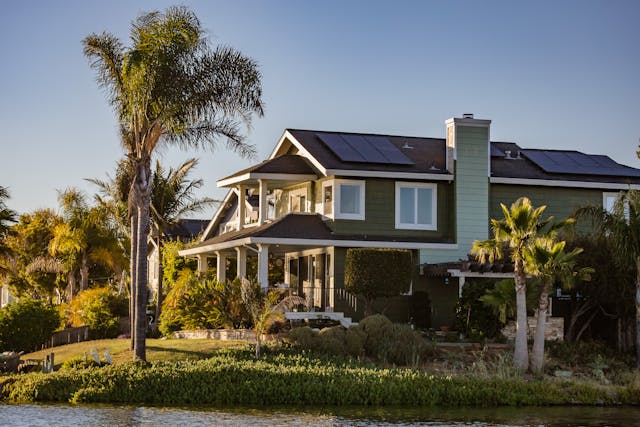
Relying on fossil fuels is an unsustainable practice. Fortunately, installations such as solar panels and wind turbines are viable solutions for embracing renewable energy in home settings. By generating power directly from renewable sources, households can become self-sufficient and decrease their dependence on volatile energy markets, all the while contributing to reducing carbon emissions.
In addition to power, renewable sources can drive other processes. For instance, solar water heaters significantly cut down on energy consumption for daily hot water needs. Wind energy can likewise be tapped into, channeling gusts into tangible benefits like natural ventilation or wind-driven pumps. Gradually, this handheld shift uncompromisingly diverts us from conventional utilities towards a more sustainable living arrangement.
Water Conservation: A Necessary Consideration
Adaptation is not solely about enduring storms and heatwaves; it’s just as much about practical everyday needs, like water. Water conservation systems, including rainwater harvesting and greywater recycling, are becoming indispensable. Efficient fixtures, smart plumbing solutions, and a commitment to wise water use will equip homes for periods of drought or water scarcity.
Furthermore, utilizing landscape elements to aid water conservation can be highly beneficial. Native plants, which require minimal water to thrive, coupled with permeable pavements, can naturally recharge groundwater. Swales or contour trenches, strategically placed, direct rainwater to where it’s most needed, sustaining gardens and minimizing erosion. Enhanced irrigation systems can further make use of harvested water year-round.
The Big Picture
Adapting homes for future climate challenges isn’t just wise; it’s fundamental for our survival and well-being. We must make informed location decisions, embrace sustainable building materials, and incorporate energy-efficient and water-smart designs into our constructions. Our homes should be sanctuaries capable of withstanding the unpredictable challenges of tomorrow. As climate challenges loom larger, a proactive stance today ensures the continued safety and sustainability of our homes in the future.