

Environmental responsibility is mindful, no doubt. It is what we all are working towards, and in many cases it is a tedious endeavor. Carbon footprints are difficult to calculate correctly. It hurts to overhaul consumption habits. These attempts do count, it is not that I am criticizing them. Yet, there is this furry aspect that we can disregard. Ideology is not as likely to lead people towards a more sustainable living as everyday relationship does.
One of the strongest such relationships is the relationship with pets.
No one acquires a pet due to the desire to live sustainably. That would be strange. You adopt a pet because your child insisted on one three years in a row, because you felt lonely and entering a strange stage of life, or because on the internet you saw a picture of a pet and lost all your critical thinking abilities in about five minutes.
Pets are companions. True. Also obligations, and emotional anchor, more than sustainability warnings. However, in the long run, the life with animals transforms us and our way of life. Our consumption, transport and communication. This is not going green, per se. That is what makes sense when you have some other living thing, which does its living in close quarters. Those ways tend to stick with you. Don’t need video subtitle generator to prove that.
#1 Living With an Animal Changes How You Think About Stuff
The relationship with the general concept of stuff is one of the first things that pets destroy. Fragile stuff. Decorative stuff. Items that are there simply to be pretty and do not serve any other purpose.
If you have ever watched a cat knock an object off a shelf while maintaining eye contact, you know what I mean. Dogs chew. Birds scatter. Rabbits treat electrical cables like a personal challenge. Pets have a way of exposing which things in your home are pointless. Quick.
Over time, you stop buying flimsy sh*t. Not because you had an awakening about consumerism, but because replacing the same thing three times is annoying and expensive. You start choosing furniture that can survive scratches, fabrics that can be washed, surfaces that don’t require a chemical weapons program to clean. Purely for survival.
And accidentally, waste goes down.
Death of Impulse Buying (At Least a Little)
Before pets, impulse buying feels harmless. A candle here. A decorative pillow there. Still, annoying to a minimalist, but generally true in an average US household.
After pets, impulse buying comes with consequences. That scented candle might not be great for the animal with sensitive lungs. That cute rug? Peed on, scratched, and basically destroyed in a week.
Then you stand in the isle, pause, think, research. And yes, sometimes you still buy the thing, but you buy fewer things overall. Pets don’t make you anti-consumption. They make you tired of nonsense.
#2 Walking Becomes a Default, Not a Virtue
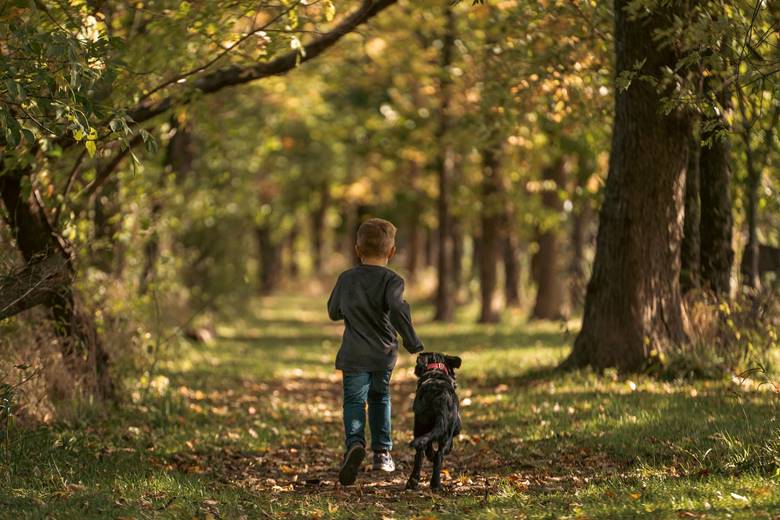
Let’s talk about walking. Hamsters may not, but dogs make you. Relentless, those buggers. Your productivity system or your mood is of no interest to them.
Initially, it seems more like an obligation, particularly when your child was crying to have a dog, and then they stopped walking it after two weeks. But then it becomes normal. You walk in the morning. You walk at night. You get out of the house when you are irritated, distracted or mentally exhausted. Consequently you exercise and end up converting your anger to action. Something that Americans need to do more frequently.
Even short commuting trips begin to disappear. The I’ll-just-drive-five-minutes logic fades when you are already outside with a leash in your hand. You see surrounding streets which you never took notice of. You get to know which footways are broken, which trees turn first in the fall, which neighbor is always too vigorous in watering his plants. That is the case with a stroller as well. Just a small side note.
It’s not really a climate decision, more like routine. But it does reduce driving. And routines are powerful in ways intentions are not.
#3 Pets Tie You to Your Immediate Environment
Pets are extremely local creatures. Don’t really enjoy long travel. Well, except for birds. If you have a wild goose stashed somewhere, let it go, for the love of God!
Animals tend to care deeply about a very small radius. That patch of grass matters. That window matters. That draft, that noise, that temperature shift matters.
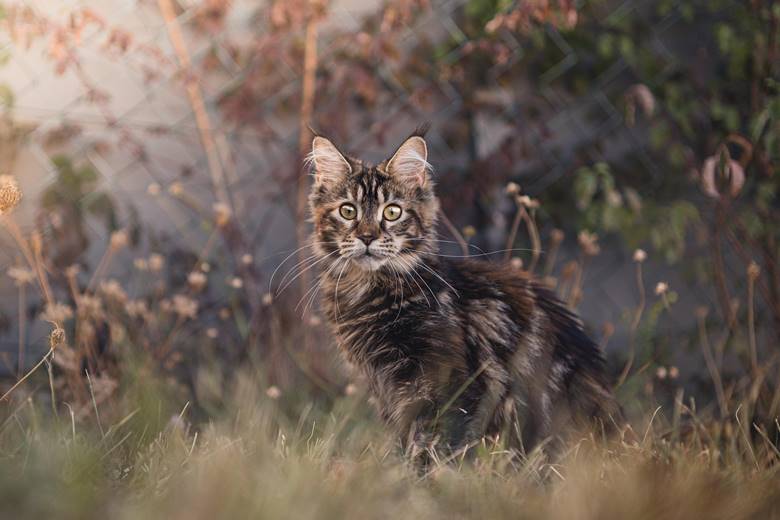
Interestingly, when you live with an animal, you take greater concern of environmental conditions as the animals will respond to them faster than you. The heat waves do not exist in the abstract when your dog is panting. The importance of air quality will cease to be theoretical when the cat sneezes seemingly without any obvious cause. The noise pollution is personal when your pet goes berserk every time there is construction work.
You start paying attention, not because you read a report, but because something living in your home is uncomfortable.
This tends to make people weirdly invested in their neighborhoods. Oh, suddenly you care about cleaner streets. Shaded areas, too. Actual green spaces instead of decorative shrubs that do nothing. Again, not activism per se, just concern.
#4 Cleaning Products Suddenly Feel Suspicious
It is only after they acquire a pet that most people start doubting their cleaning products. Or pass out in the bathroom for mixing the wrong chemicals. Either one of those…
Suddenly you’re reading labels like you’re studying for an exam you didn’t sign up for. Is this safe? What happens if they lick the floor? Why does this smell like a hospital hallway? Do we really need something this strong?
Many pet owners quietly downgrade their chemicals. I’ve seen this so many times. Fewer sprays. Less fragrance. More ventilation. Sometimes just soap and water, which turns out to be wildly effective and deeply underrated. They don’t scream about it on every corner (although a few annoying ones do… no offense)
The house becomes less toxic. The air improves. And yes, the planet benefits in a small, unglamorous way.
#5 Food, Waste, and the Strange Discipline of Feeding Something Else
Raising an animal brings order to chaos. Portions are measured. Timing matters. Waste is visible.
It is when you have overfed a pet by mistake and had to clean up after it that you are highly conscious of quantities. This consciousness is prone to spill over into the food habit of humans. You notice leftovers. You notice spoilage. You are a little offended when food is thrown away without any significant reason.
There is also pet food that leads to awkward questions. Where does this come from? What’s in it? Why is it wrapped like this? The questions do not go away even though you might not pursue the perfect answers.
Consciousness is not fashionable but it is generally a commencing point of improving.
#5+1 Kids, Pets, and Accidental Environmental Education
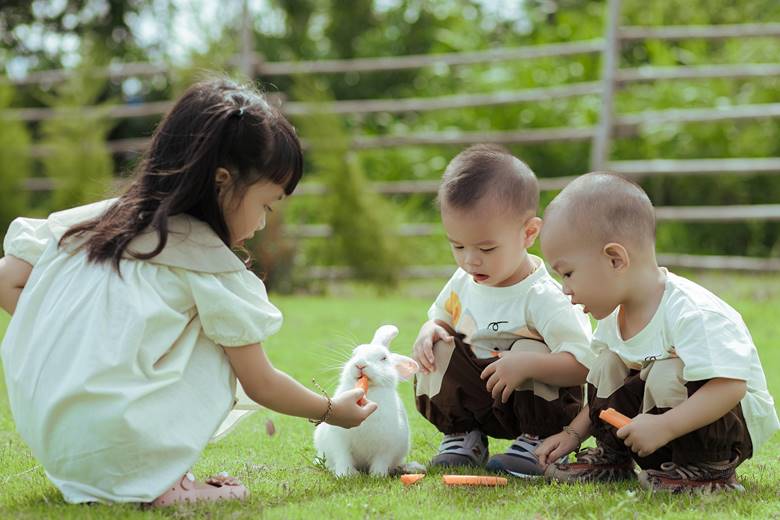
For families, pets are often a child’s first experience of responsibility that cannot be postponed or negotiated. The animal needs care today, not later. Children learn quickly that living beings depend on clean spaces, fresh water, and consistent attention. They learn that neglect has consequences. This is environmental education without posters or slogans.
You don’t need to explain ecosystems when a child understands that mess and care are connected. Pets make the concept real.
No grand gestures required. Just a leash, a bowl, and the slow realization that living responsibly doesn’t always announce itself.
Sometimes it just sheds on your couch.