


Source: Unsplash
Housing, it turns out, has a much larger environmental footprint than most of us realise. Every step of the way, from the materials to build a home to the energy used to heat and light it, comes at a price for the planet. New-build homes can be efficient, but it’s usually greener to repurpose existing properties. It is waste cutting, natural resource protection, and reduced demand from increased development.
When the demand for housing is ever-increasing, using what already exists more effectively is about as simple a way to reduce environmental impact as there is.
The environmental cost of building new homes
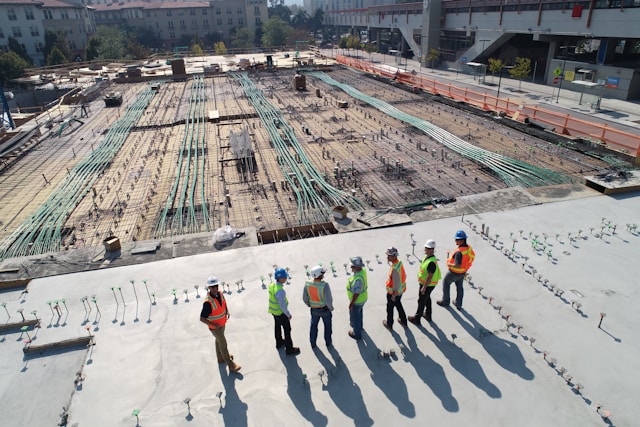
Building new buildings demands materials, lots of them, including concrete, steel, wood and glass. They require a lot of energy to produce, and also generate large amounts of carbon. One is concrete, since cement alone makes a substantial portion of global emissions.
Construction sites also generate waste. And despite our best efforts to stock the right amount of material, there’s no avoiding excess waste that ends up in a landfill. This waste is the loss of materials that have expended energy and been transported to create.
Another significant issue is land use. A new building uses green space or farmland. This can harm wildlife habitats, lead to biodiversity loss, and increase local runoff, increasing the risk of flooding. The reuse of existing buildings circumvents these problems by using the buildings already on site.
Keeping homes in use reduces waste
Homes left vacant for extended periods frequently decline. A wet basement, structural issues, and outdated systems can quickly turn a usable house into one that requires serious work. This requires more material and energy to put the home back into use.
Keeping properties occupied helps prevent this cycle. Selling your house the traditional way is not always feasible if you need to move quickly. Sometimes, individuals sell to companies that buy houses, a practice that can prevent homes from sitting empty and deteriorating. This may not work for everyone, but it can also help sustain the use of some housing.
If a house already has new residents, then they will usually take better care of it and invest in its improvement. And by improving insulation, heating efficiency and windows, you can dramatically cut utility bills. These changes reduce emissions and extend the building’s life without the environmental cost of starting over.
Source: Unsplash
Supporting a more sustainable housing supply
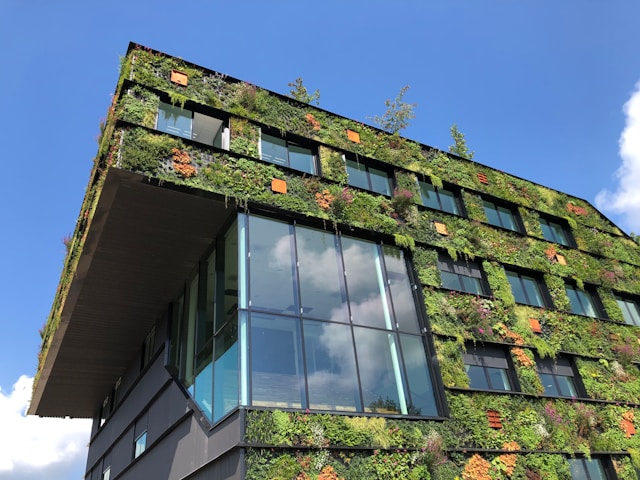
Reusing old homes helps create a more sustainable housing system. It reduces appetite for new materials, constrains building waste, and reduces overall carbon emissions. It also puts less strain on local infrastructure, since roads, utilities and public facilities serve existing homes.
That approach makes people use what they have more intelligently rather than blindly. It’s better for communities in the long run and helps reduce environmental damage.
Perhaps the most environmentally friendly form of housing is to reuse existing homes. It cuts emissions, conserves resources, and protects green spaces. By maintaining homes in use and improving them over time, we can meet housing needs while also making choices that are better for the planet.