

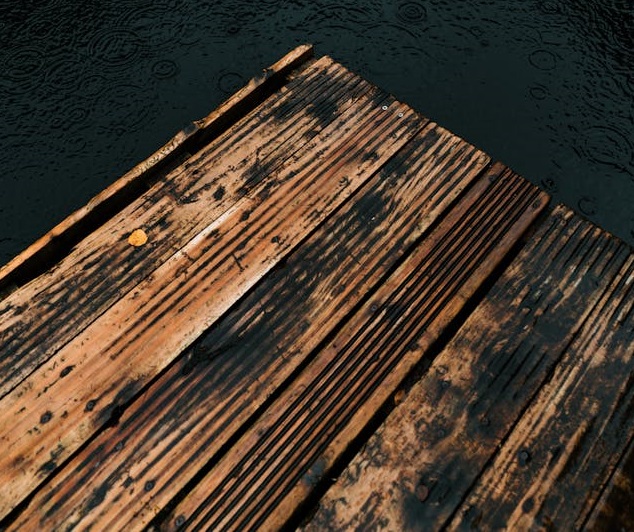

A hardwood deck should age well. It should feel solid underfoot, hold its shape, and grow richer in colour over time. When built and cared for properly, it adds real value to a home.
But many hardwood decks fail early. The problem is rarely the timber itself. Most damage comes from small mistakes during installation or maintenance.
Hardwood is strong, but it does not forgive errors. When moisture, airflow, or finishes are handled the wrong way, damage builds fast. Repairs often mean lifting boards, replacing fixings, or rebuilding parts of the deck. These fixes can cost thousands.
Below are some of the most common hardwood decking mistakes—and how to avoid them.
1. Applying Too Much Oil
More oil does not mean better protection. In fact, over-oiling is one of the quickest ways to harm a hardwood deck.
When too much oil stays on the surface, it traps moisture inside the wood. The timber cannot breathe. This causes sticky areas that collect dirt, encourages mould, and leads to dark, uneven patches. Over time, boards may soften and weaken.
The fix:
Apply a thin, even coat to dry timber only. If oil does not soak in after a few minutes, wipe it off. Hardwood needs light care, not heavy soaking. Proper oiling protects the grain while letting moisture escape.
2. Finishing in the Wrong Weather
Hardwood finishes need the right weather to work well. Applying oil or stain in cold, wet, or humid conditions often leads to failure.
Even if boards look dry, moisture inside the wood can stop the finish from curing. This can cause patchy colour, peeling, or early wear. Many decks then need sanding and re-coating within months.
The fix:
Finish your deck only in mild, dry weather. Waiting a few extra days can save hours of work later and helps the finish cure evenly.
3. Leaving Sanding Dust Behind
Sanding helps prepare hardwood for oil or sealant, but the job is not done until the dust is removed.
Fine dust settles into joints and grain lines. If you apply oil over it, the finish cannot soak in properly. This leads to rough texture, flaking, and uneven colour.
The fix:
Clean the deck fully before finishing. Brush, vacuum, or blow away all dust. Clean timber absorbs oil better and keeps a smooth, even look for longer.
4. Using the Wrong Sealer
Not every sealer works for hardwood decking. Some products form a hard layer on top of the wood. These may suit indoor floors, but outdoors they often cause damage.
When a sealer blocks airflow, moisture gets trapped inside the timber. This leads to bubbles, dull spots, and peeling. Fixing the problem usually means stripping the surface and starting again.
The fix:
Use a sealer made for hardwood decking. These soak into the wood and still let it breathe. Always test a small area first. A quick test can prevent costly mistakes across the whole deck.
5. Installing Boards Upside Down
Hardwood decking boards have a right way up. One side is shaped to shed water and improve airflow.
When boards are installed upside down, water stays on the surface longer. Over time, the wood swells, bends, and begins to rot. Damage often starts underneath, where it is hard to spot.
The fix:
Check each board before installation. Make sure the correct face is facing up. Proper placement helps water drain away and keeps the deck strong for years.
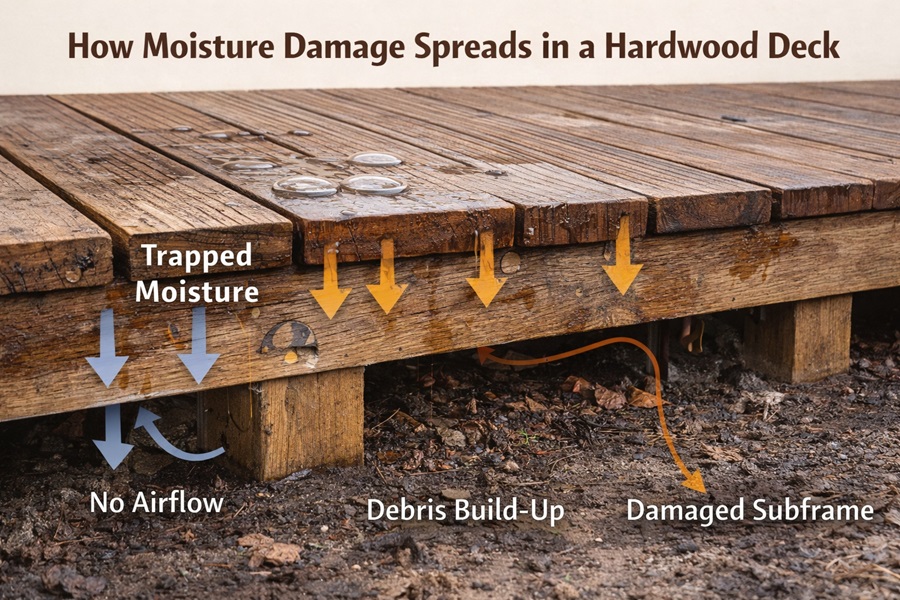
6. Ignoring Ventilation Beneath the Deck
Some of the worst damage happens where you cannot see it.
When air cannot move under a deck, moisture stays trapped. This weakens the frame, rusts fixings, and speeds up rot. Many decks fail from below, even when the surface looks fine.
The fix:
Leave enough space between the deck and the ground. Good airflow allows moisture to dry out. This protects both the boards and the structure beneath them.
7. Neglecting Regular Cleaning (or Using Harsh Cleaners)
Leaves, dirt, and debris hold moisture against hardwood boards. If left in place, they cause stains, mould, and surface damage. On the other hand, harsh cleaners and pressure washers strip oils and harm the wood.
The fix:
Sweep the deck often and clean it with gentle, wood-safe products. Simple care keeps the surface safe, clean, and looking good. It also reduces the need for major repairs later.
Why These Mistakes Get Expensive
Most hardwood deck problems do not happen all at once. Damage builds slowly. Moisture gets trapped. Airflow stays blocked. Surfaces are not prepared the right way.
Over time, boards begin to bend, crack, or rot.
By then, repairs often include:
- Replacing damaged boards
- Sanding and re-oiling large sections
- Fixing rusted fasteners or weakened frames
Fixing small issues early costs far less than repairing a damaged structure later.
What These Mistakes Really Cost to Fix
Small decking mistakes rarely stay small. When moisture, airflow, or finishes fail, damage spreads fast. Repairs often require sanding, removal, or full refinishing.
The table below shows common repair costs homeowners face when problems are ignored.
Costs vary by deck size, timber type, and location. These ranges reflect typical contractor pricing for residential hardwood decks.
| Hardwood Decking Mistake | Typical Repair Needed | Estimated Cost |
| Excess oil buildup | Strip surface, sand, re-oil | $600 – $2,000 |
| Finishing in bad weather | Refinish affected areas | $800 – $3,500 |
| Sanding dust left behind | Spot sanding and resealing | $400 – $1,500 |
| Wrong sealer used | Remove coating and reapply | $1,500 – $5,000 |
| Boards installed upside down | Remove and reinstall boards | $2,000 – $6,000 |
| Poor airflow under deck | Structural fixes or rebuild | $3,000 – $10,000+ |
| Debris or harsh cleaning | Surface repair and oil restore | $300 – $1,200 |
Why Early Fixes Matter
These costs rise because damage does not stay in one place. Trapped moisture spreads through the wood. It reaches nearby boards, fasteners, and even the frame.
Simple checks and routine care cost far less than major repairs. Catching problems early can save thousands.
The Bottom Line
Hardwood decking lasts when it is done right.
Correct installation, breathable finishes, good airflow, and basic cleaning make a big difference. These small habits protect both the look and strength of your deck.
Avoiding common mistakes helps your deck last longer—and saves time, money, and stress over the years.