

Event giveaways create so much waste, it’s kind of absurd when you think about it. Companies spend money on cheap plastic stuff that people throw away after a week. Promotional items nobody wants sitting in landfills. The whole system doesn’t make sense really, spending money to create trash with your logo on it. Eco-friendly alternatives exist and honestly some of them people might keep instead of tossing.

Reusable Water Bottles
Water bottles show up at every event. The issue is most promotional water bottles are terrible quality. They leak, taste like plastic, break fast. If you’re doing water bottles anyway get decent ones. Stainless steel or actual good BPA-free plastic, not the garbage kind that cracks when you drop it once. Cost is higher obviously. But people use good bottles for years which means your branding stays visible longer instead of ending up in trash within weeks. Some companies slap huge logos all over bottles, makes people not want to use them in public. Keep branding small, subtle works better. Nobody wants to walk around with a mobile advertisement unless the bottle is actually nice enough to be worth it.
You can get different types too. Insulated bottles keep drinks cold, good for summer events. Collapsible ones take less space, better for travel conferences where people have luggage issues. Glass bottles with protective sleeves look nice but they’re heavy and break easier. Think about your audience, what they’d actually use matters more than what looks cool in your catalog.
Digital Giveaways
Sometimes the most eco-friendly option is just not giving physical items. Digital giveaways eliminate shipping, packaging, manufacturing waste, everything. Gift cards by email, service subscriptions, online course access, software licenses. Lots of options that don’t require making or shipping anything.
For events where you select winners randomly, using a random name selector tool makes the process fair and transparent. People like knowing selection was actually random instead of organizers just picking whoever they felt like. Digital giveaways work especially well for virtual events or hybrid events where some people aren’t there in person anyway.
The downside is no physical presence. Nobody walks around after your event carrying something with your logo. Brand visibility is lower than physical items people use in public spaces. You save money on production and shipping though, could put that into better digital prizes instead. A $50 gift card might cost less total than producing and shipping physical giveaways to 100 people when you factor in everything.

Seed Paper Products
Seed paper sounds gimmicky, honestly it kind of is. The paper has seeds in it, you plant it after using it and plants grow. Business cards, bookmarks, tags, notepads even. Instead of throwing paper away you stick it in dirt and flowers show up eventually. The problem is cost. Seed paper costs way more than regular paper, sometimes double or triple depending on seeds. Wildflower seeds are common, herbs like basil work. You need to tell people what to do with it though. Not everyone knows seed paper exists, they’ll just throw it away like normal paper if you don’t include instructions. Which defeats the entire point of using seed paper in the first place.
These make sense for environmental conferences, sustainability events, those obvious connections. They work other places too if you’re creative about it. Real estate companies could do housewarming themes with seed paper. Garden stores, landscaping businesses, farmers markets. The connection to what you do matters, random eco-friendly stuff without context feels forced.

Tote Bags
Everyone does tote bags. People have dozens of promotional tote bags shoved in closets that never get used. The issue isn’t tote bags themselves though, it’s that most are flimsy junk that rips carrying groceries one time. Actually decent canvas bags still make sense as giveaways.
Heavy canvas or organic cotton that’s thick enough to hold weight, won’t fall apart after minimal use. People use quality tote bags for years. Screen printing lasts better than heat transfers that peel off in the wash. Inside pockets add functionality, reinforced straps prevent the handles ripping off. These details separate actually useful bags from more tote bag clutter. Size matters too. Giant bags are awkward to carry around, tiny bags don’t hold enough stuff to bother with. Medium sized works for groceries, gym clothes, books, general everyday things. You could do different sizes for different prize levels at the same event but that complicates ordering and figuring out distribution at the actual event.

Bamboo or Wood Items
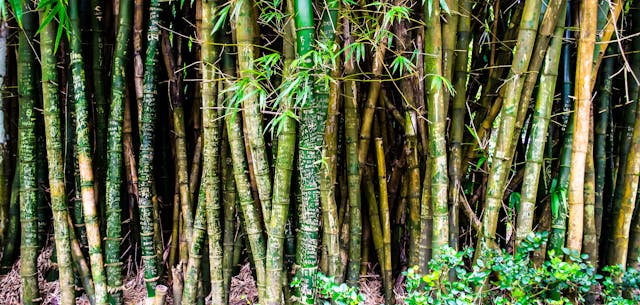
Bamboo grows really fast, works for making tons of products. Utensil sets, pens, phone stands, even charging cables now. Wood products like cutting boards or coasters last basically forever if they’re made properly. These feel more substantial than plastic giveaways, people see them as higher quality even if the actual cost difference isn’t huge.
Environmental benefit depends on sourcing though. Bamboo is sustainable when farmed right but not all bamboo products come from good sources. Same with wood, you want FSC certified or reclaimed wood. Check with suppliers about where materials actually come from because some lie about sustainability to make sales, which is annoying but happens.
Bamboo utensil sets in carrying cases got popular with people trying to reduce single-use plastic. The case protects utensils and makes them portable for taking to work or restaurants. Bamboo pens write like normal pens, just look nicer. Phone stands from bamboo or wood are useful for desk setups, video calls, watching videos. People might actually keep these instead of throwing them away immediately like most promotional items.
Conclusion
Going eco-friendly doesn’t mean spending way more on things nobody wants. Think about what people actually use and keep using. Cheap plastic items that break fast aren’t saving money if they go to trash immediately and your brand gets associated with junk products. Your audience matters when picking items. Tech conference people want different things than gardening expo attendees.
The goal should be giving people useful stuff that doesn’t add to waste. Whether that’s better physical items or digital alternatives like using a random name selector for prize drawings instead of physical raffle tickets. Point is thinking beyond just handing out cheap promotional stuff because that’s what everyone does. Events create enough waste already with food packaging and printed materials and everything else. Giveaways don’t need to add more unless they’re actually giving people something they want. Put thought into what you’re handing out and how, makes events better. Probably makes your brand look better too instead of contributing to the pile of forgotten promotional junk people accumulate then throw away eventually.