

Sustainability is a priority in all corners of the economy.
Tighter government regulations. Increased consumer conscientiousness. Diminishing resources.
Nowhere is this movement felt more acutely than in the construction industry. Modern construction professionals must build structures that are long-lasting and energy-efficient.
But how? Solutions lie with the materials chosen.
Insulated Concrete Forms (ICFs)
Foundation and framing play an integral role in the construction of energy efficient buildings. If air and moisture readily transfer through the building envelope, it will require significant energy resources to maintain a stable interior environment.
To this effect, insulated concrete forms (ICFs) are changing the game in terms of sustainable framing. The system starts with a series of hollow foam blocks or panels. These lightweight walls are locked in place at the construction site. They are then filled with concrete to form a continuous, double-insulation barrier. In addition to yielding an R-value surpassing 20, the lightweight panels require less machinery and human labor to erect at the job site. This significantly reduces energy consumption during the construction process.
Robust Windows
Windows are often the path of least resistance for unwanted air and moisture transfer. Whether it be cracked pane glass or a degraded frame, windows will become a point of weakness over time.
Therefore, more and more structures are sourcing hurricane-grade storm windows. This robust window system uses reinforced double-paned glass set inside a durable steel frame. For additional sustainability, consider treating the windows with a low-E (low emissivity) glazing. This microscopically thin metallic layer reflects infrared heat. This allows the interior of the building to enjoy all of the natural daylighting from the sun without experiencing any unwanted thermal warming that would otherwise cause the A/C to kick into overdrive during the warmer months.
Alternative Insulation
Insulation and energy efficiency go hand in hand. Through proper insulation, the structure can increase its R-value, effectively reducing the energy required for climate control.
While there are many insulation products that have a high R-value in application, they are not the most sustainably sourced options. In addition, some can give off toxic VOCs in the face of fire or extreme heat.
Therefore, green structures are increasingly turning their attention toward sustainable insulation products that offer a lower embodied energy score (the energy required for fabrication and transportation) while still providing elite R-value. An example lies with recycled denim insulation. With an R-value that surpasses standard fiberglass batts or blow-in insulation, it also repurposes post-consumer denim to limit clothing waste. It is also among the most sound resistant insulation products on the market–a perfect solution for bustling urban districts.
Durable Countertops
Countertops do much of the heavy lifting in a building’s interior. They will face a constant barrage of shifting items and fluid spills. Low-quality countertops will require significant attention to maintenance and repair, with the accompanying energy consumption to boot.
Therefore, durability is the top priority when it comes to sustainable surfaces. Granite. Quartz. Stainless steel. There are a host of materials that can rightfully boast about their resistance to wear and tear. However, a next-level option in terms of eco-friendliness is recycled glass countertops for kitchens and restrooms.
Recycled glass countertops source post-consumer and post-industrial glass. The glass is crushed down into small particles. It is then bound with a high-quality epoxy resin for a robust, nonporous surface. In addition to their benefit in limiting glass waste and ongoing maintenance, the shining glass aspect provides a visually-striking aspect that works well in modern industrial design schemes.
Waste Removal
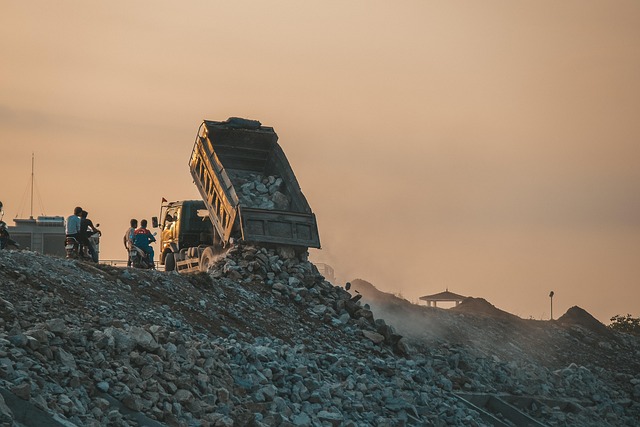
During the construction process, significant attention is given to using sustainable resources and leveraging energy-efficient building techniques. Rightfully so. However, there is an equally important waste component to consider. Without mindful waste removal processes, the project will contribute to the 600 million tons of construction and demolition waste created each year.
There are multiple strategies for guaranteeing sustainable waste removal. Have specially marked receptacles for trash, recycling, and compost. Schedule regular service so that refuse does not build up and attract pests/promote accidents. Partner with a trusted hydrovac provider for safe, sustainable removal of any toxic spills.
Align with the Green Construction Movement with Sustainable Building Materials
Environmentally-friendly buildings are the heart and soul of contemporary urban districts focused on green living. By sourcing the most eco-friendly materials, construction projects can ensure optimal sustainability from breaking ground all the way through the structure’s lifetime. For more ideas on how to incorporate sustainable materials into eco-friendly buildings, visit our site today for additional thought leadership!