

Expedition cruises have quietly become some of the most useful platforms for conservation work. While passengers come to see wildlife and remote landscapes, many voyages also carry scientists, naturalists, and researchers collecting information that helps track changes across some of the world’s least disturbed environments. Guests often end up contributing as well, sometimes by recording wildlife sightings or simply sharing photographs that later become part of research databases.
That side of expedition travel doesn’t always receive much attention. Yet after spending time aboard a small vessel, it’s difficult not to notice how often conservation shapes daily activities. Landings are carefully managed, wildlife encounters follow strict rules, and conversations frequently drift toward current research. The journey feels connected to the places being visited, not just because of where the ship goes, but because of the work happening along the way.
The Seychelles’ Ocean Wilderness and Why It Matters
Victoria wakes up early. Around Sir Selwyn Selwyn-Clarke Market, fish are already being unloaded before the heat settles over Mahé, while conservation posters line parts of the nearby harbour. A short drive toward Morne Seychellois National Park shows another side of the islands, where thick forest gives way to viewpoints overlooking reefs and scattered granite islands.
That wider picture becomes easier to appreciate aboard celebrated Seychelles cruises, where expedition teams regularly discuss coral monitoring, turtle nesting programs, and seabird conservation while moving between islands such as Curieuse, Cousin, and Aride. Visitor numbers remain limited at several landing sites, especially during nesting seasons, and guides are quick to explain why certain beaches stay closed at particular times of year.
Snorkeling often reveals hawksbill turtles feeding close to shore or reef sharks cruising over healthy coral. To most people, they’re memorable encounters. To conservation teams returning every season, they’re useful observations that help build a much bigger record over time.
Why Vessel Size Changes Everything in Sensitive Ecosystems
Small expedition ships work differently because they have to. Their size allows access to sheltered bays, narrow channels, and protected anchorages where larger vessels simply don’t operate. Fewer passengers also make it easier to keep wildlife disturbance to a minimum during shore landings.
Those differences become obvious once everyone lines up to disinfect boots before stepping ashore. The process happens repeatedly throughout a voyage. Jackets, backpacks, and even tripod feet are checked for seeds or dirt that could accidentally introduce invasive species into isolated environments.
On paper, those rules sound strict. After a few days, they simply become part of life on board. A colony of nesting seabirds or a beach used by seals doesn’t need hundreds of people walking through it. Small groups leave very little trace, and researchers working in those areas clearly appreciate that.
The Amazon Basin and What River Expeditions Reveal About Forest Health
Manaus, the largest city in Brazil’s Amazon rainforest, feels busy from the moment boats begin arriving along the waterfront near Mercado Adolpho Lisboa. Ferries, fishing boats, and river taxis constantly move along the Rio Negro, while locals weave through market stalls selling tropical fruit, spices, and baskets woven from forest fibres. It’s an active working city before the rainforest even comes into view.
Several hours upriver, everything changes. Flooded forests stretch between towering trees where squirrel monkeys move overhead, and hoatzins perch low above the water. Pink river dolphins appear without warning, often surfacing close enough for everyone on deck to stop talking for a minute.
Scientists pay attention to those moments as well. Repeated sightings of dolphins, birds, turtles, and seasonal water levels gradually build valuable records that help researchers understand how the forest is changing. Expedition guests sometimes help log those observations before the small boats head back toward the main vessel.
Antarctica’s Role in Understanding the Planet’s Climate Trajectory
Ushuaia’s Avenida Maipú is usually the last ordinary street passengers see before heading south. Expedition ships tie up close to the waterfront; supply trucks come and go throughout the day, and waterproof gear fills shop windows around the port. Polar research feels surprisingly visible here long before Antarctica appears.
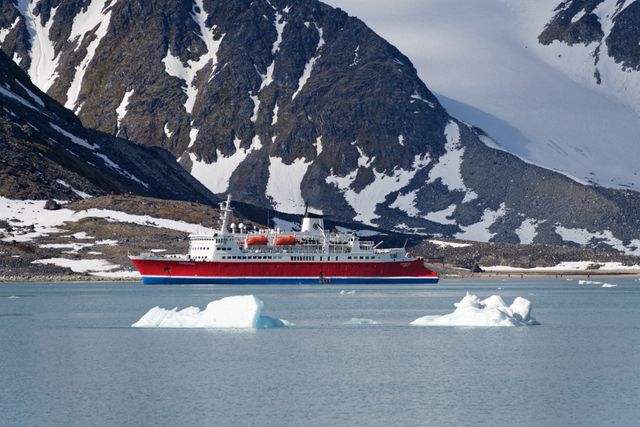
Once the ship reaches places like Neko Harbour, Cuverville Island, or Portal Point, scientific work becomes part of almost every landing. Guides point out survey markers near penguin colonies, explain glacier monitoring projects, and discuss how sea ice conditions have changed between recent seasons.
The rules stay consistent from beginning to end. Boots are cleaned before every landing, wildlife is given generous space, and nothing leaves Antarctica except photographs and observations. Even brushing snow from clothing before returning to the Zodiac has a purpose.
How Expedition Operators Are Becoming Partners in Scientific Research
Expedition companies increasingly work alongside universities and conservation organisations throughout the year. Many ships quietly collect ocean temperature readings, weather data, plankton samples, and seabird observations while following their scheduled itineraries. Every voyage adds another layer of information.
Passengers often discover they’re contributing as well. A photograph of a whale’s tail can help identify an individual animal years later. Bird sightings are uploaded into international monitoring projects. Some vessels even invite researchers on board to explain exactly how those records are used after the trip has ended.
It changes how people look at the experience. Wildlife encounters still become highlights, though there’s also satisfaction in knowing a simple observation may eventually support a scientific study. That thought tends to stay with people long after the luggage has been unpacked.
Can travel itself become a tool for conservation?
Small-ship expeditions show that tourism can make a practical contribution when it’s carefully managed. Strict landing procedures, limited visitor numbers, and close cooperation with research teams help protect fragile environments while creating opportunities for long-term scientific work. The trip becomes useful beyond the days spent onboard.
The Seychelles, the Amazon, and Antarctica all face different environmental pressures, yet each continues to benefit from careful monitoring carried out over many years. Expedition travellers don’t solve those challenges on their own. They become one small part of a much greater effort, and that’s probably the most interesting thing about this style of travel.