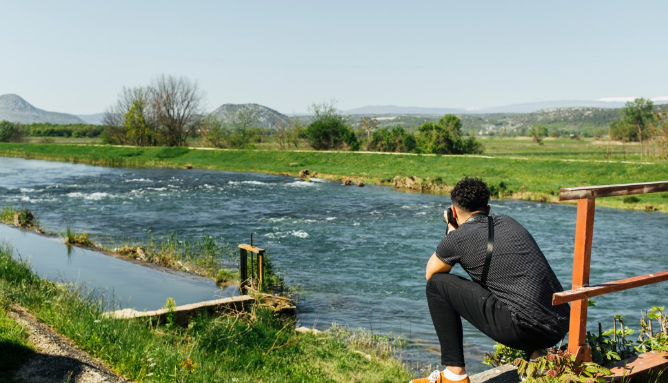

At least not in the way you might anticipate, the forests along the upper Potomac do not appear to be endangered. On a late spring morning, most of what you see when you drive through the undulating regions of West Virginia or western Maryland is green. Meadows with wildflowers, hickory and oak stands, and the occasional creek that shimmers through the trees. It appears to be healthy. It feels good. However, the landowners who actually walk these properties on a weekly basis tell a different story, and the Potomac Conservancy’s recent survey has brought that story into sharper focus than anyone in Washington seems ready for.
The Conservancy asked the managers of the watershed’s more than 15,600 acres of protected easement land what concerns them the most. The response was not what the policy community had been discussing for the previous 12 months. More than 200 million gallons of waste were dumped into the river in January due to a record-breaking sewage spill. It wasn’t the boom in data centers that turned Loudoun County into a bustling server farm corridor. Clearly, it was plants. plants that are invasive. In particular, the English ivy, Japanese stiltgrass, and trees of heaven that creep up old fence posts and suffocate everything beneath.

Until you spend time with someone who truly owns a few hundred acres of forest, that seems almost charming. After that, it ceases to feel charming. Ecologists swear under their breath when they see an organism like Ailanthus altissima, the tree of heaven. When one is chopped down, dozens of suckers emerge from the roots. If you spray it incorrectly, the herbicide will be ignored. Even the nearby native species are poisoned by the chemicals it releases into the soil. I once spoke with a Frederick County landowner who referred to it as “the plant that won’t lose.” That is a memorable phrase.
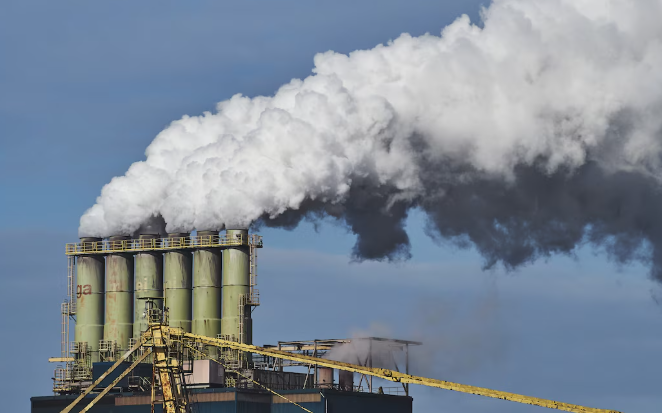
Speaking with members of the conservation community gives the impression that the disconnect between federal headlines and landowner concerns is becoming a serious issue. Washington uses obvious villains to address crises. There’s a visible burst sewer pipe. On top of the Occoquan headwaters is a proposed 1,800-acre data center. It is not a creeping mat of stiltgrass that spreads over an understory at a rate of perhaps forty acres annually. The evening news doesn’t feature it. It doesn’t result in a hearing before Congress. Therefore, it is left to individual property owners, who are, to be honest, frequently older, working alone, and financially strapped due to the herbicide bill alone.
The survey’s second concern was general maintenance, which may seem uninteresting until you understand what it entails. Fallen timber crushed fences. A wet spring caused farm roads to wash out. Kudzu is gradually taking over old barns. It is the unglamorous foundation of land stewardship, and as more easement holders retire from active management, it becomes more challenging. Wildlife habitat was the third issue, which relates to the first two because untended land and invasive plants drive out the fishermen, brook trout, and grassland birds that initially made these areas valuable.
The disconnect is difficult to ignore. The Potomac is listed by American Rivers as the nation’s most endangered river due to silicon and sewage, and the people who live closest to the land still pull stiltgrass by hand on Saturday mornings. At the same time, both are true. Both are worthy of consideration. However, while we argue over cooling water for server racks, the slow, green, leafy threats continue to advance because policy tends to chase the dramatic. The landowners are correct. Simply put, they have been observing another fire.