
There’s a picture that makes you stop cold. On the left is the Citrus Tower in Clermont, Florida, which was encircled by an ocean of orange groves in 1956. According to some estimates, seventeen million trees could be seen from the observation deck on a clear morning. The same tower in 2026 is shown on the right, rising above parking lots, rooftops, and the gradual subdivision sprawl. There are no longer any trees. It is impossible to recognize the horizon. The tale of what Central Florida did to itself lies somewhere in between those two pictures.
The railroads came first, followed by citrus, tourists, and theme parks. More roads, more concrete, and more people arrived with each wave. The losses were already enormous by the time anyone stopped to consider what was being lost. Sherman’s favorite lakes have become murky due to algae and runoff. The ancient, crystalline springs to the north, which formerly produced millions of gallons per day, are now under stress, with some of them hardly flowing during dry spells. Less than 500 people lived in what was once called a wild, flooded frontier in 1850; today, there are 1.5 million people living there, and more are coming every year.
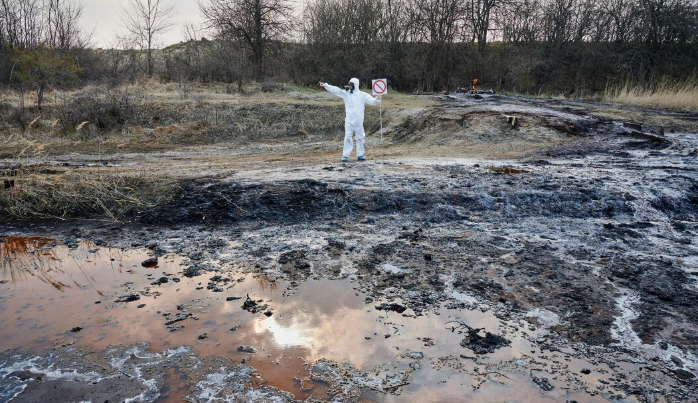
The fact that the damage wasn’t done carelessly or completely is what gives all of this an almost surreal feel. A large portion of it was carried out with a great deal of confidence and ambition, the kind that comes with slide rules, development brochures, and press releases declaring that the wilderness has been “pushed aside.” In order to drain 114,000 swampy acres of southwest Florida in the 1950s, a company named Gulf American Corporation built hundreds of miles of elevated roads, blasted canals through limestone bedrock, and sold lots to buyers who frequently never set foot on the property. The business declared bankruptcy. The canals were still there. For decades, the surrounding ecosystem and the water table suffered harm.
One of the more significant ecological restoration initiatives in South Florida’s recent history is currently taking place at that project, which is now known as the Picayune Strand. In an effort to restore the natural water flow over 55,000 acres, state and federal agencies have worked for more than 20 years to repair what took a few years to destroy. The preliminary findings are truly encouraging, according to ecologists. “Picayune is as good a place in South Florida that there is, in terms of getting it back to what it was before,” ecologist Michael Duever, who has been keeping an eye on the project, stated. Even though restoration at this scale is costly, time-consuming, and uncertain, the fact that something significant is being attempted feels like a shift in attitude, even if it’s coming late. However, whether that confidence is warranted throughout the larger Everglades ecosystem is still up for debate.
The nitrogen issue is especially difficult to solve. Fertilizer from suburban lawns, septic systems, and agricultural runoff all pass through the soil and into the aquifer before entering the springs. There are more than 80,000 dairy cows in the Suwannee River Basin alone, and each one produces about thirty people’s worth of waste. The math is unsettling. For years, scientists have been increasing these numbers, but the regulatory response has been sluggish, contentious, and often inadequate. After more than ten years of legal disputes, a 2016 rule intended to stop damaging groundwater withdrawals has still not been fully implemented.
The lakes, the climate, and the peculiar and breathtaking scenery that Sherman attempted to describe in 1884 were all factors that drew people to Central Florida from the start. Residents are now more concerned than ever to preserve that same environment, or at the very least, to stop losing it more quickly than they are regaining it. With restoration projects reaching significant milestones and public interest finally catching up to scientific concern, it’s possible that this moment represents more than just wishful thinking. It might also symbolize precisely that. To be honest, no one knows yet. However, the scientists continue to work, and the water is gradually starting to move once more.