

For many years, wildlife teams had to look for animals in direct ways. They used field surveys, camera traps, and tissue samples. These tools still help. But they cost a lot. They also take time and can disturb wildlife.
A new method is now changing this work. It is called environmental DNA, or eDNA. It looks for tiny bits of DNA that animals leave behind in nature.
Animals leave DNA in water, soil, and even air. They shed it through skin, mucus, waste, spit, and scales. Scientists can collect a sample from a pond, river, forest floor, or cave. Then they test it to see which species were nearby.
This means scientists do not always need to see the animal. They can find signs of rare, shy, or hidden species from the DNA left in the area. This helps them track wildlife faster and with less harm.
What Is Environmental DNA?
Environmental DNA is DNA found in the world around us. It comes from living things that pass through an area.
For example, a fish leaves DNA in water. A frog can leave DNA in pond mud. A bat can leave DNA in cave air. These small traces can tell a big story about life in that place.
How Does eDNA Work?
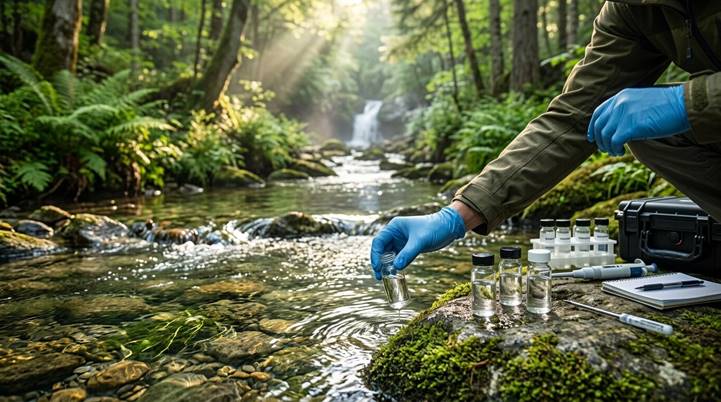
The process starts with a sample. A team may collect water from a lake. They may take soil from a forest. They may also filter air from a cave or other closed space.
Next, the sample goes to a lab. Scientists pull the DNA out of it. Then they make copies of the DNA so it is easier to study. After that, they read the DNA code.
The final step is to match the code. Scientists compare the DNA with known records. If the code matches a species, they know that species was likely in the area.
Why PCR Matters
Many eDNA samples hold only a tiny amount of DNA. That is why scientists use PCR. PCR is a lab method that copies DNA many times.
This makes the DNA easier to find and study. With PCR, scientists can spot a species even when only a small trace is present.
Primer Design Matters Too
PCR needs small pieces called primers. Primers guide the test to the right part of the DNA.
Good pcr primer design helps the test find the right species. Poor primer design can cause mistakes. It can miss a species or show a false match.
This is very important when scientists look for rare species. A small error can change the result.
How DNA Sequencing Helps
Some tests look for one species at a time. New tools can read many DNA pieces from one sample.
This is called metabarcoding. It helps scientists build a list of many species from one bottle of water or one soil sample.
This gives wildlife teams a clearer view of an ecosystem. They can see which species live there. They can also see which ones are missing. Over time, they can track how the area changes.
Applications in Endangered Species Detection
Finding What the Eye Cannot See
One strong use of eDNA is finding rare animals. It also helps find species close to extinction.
Old survey methods can take a long time. Teams may need many hours in the field. They may use nets, traps, cameras, or direct checks. These methods can still miss shy or hidden animals.
eDNA gives teams another way to search. A single water sample can show that a species was there. The team can collect the sample in minutes.
This helps with animals that are hard to see. These include large water mammals, hidden frogs, and fish that come out at night.
In rivers and lakes, eDNA works very well. It can find rare sturgeon, lamprey, and invasive carp. In some cases, nets give unclear results. eDNA can still show signs of the species.
In the ocean, eDNA can help track large and rare animals. Scientists use seawater samples to look for whale sharks, sea turtles, and rare sharks or rays. This helps them study wide ocean areas with less field work.
Early Detection of Invasive Species
eDNA also helps find invasive species early. These are species that spread in places where they do not belong.
Early action saves money and time. It is easier to stop an invader before it grows and spreads.
eDNA can find very small signs of an invader. It can detect a species before traps or nets find it. This gives wildlife teams a faster warning.
Many biosecurity teams now use eDNA as a first check. They take water samples on a set schedule. These samples can show new invasion fronts weeks or months early.
That early warning helps agencies act sooner. They can respond before the species becomes hard to control.
Biodiversity Assessment at Landscape Scale
Moving Beyond One-Species Surveys
Old biodiversity surveys are slow and costly. They also miss many small or hidden forms of life.
Visual surveys work best for animals people can see. They often favor large and active species. They also need experts for each group of life.
eDNA changes this process. One sample can show many kinds of life at once. It can include bacteria, fungi, insects, fish, frogs, and plants.
This helps scientists check ecosystem health in a clearer way. They do not need many separate surveys months apart. One eDNA project can give a broad view of life in an area.
It can show tiny life, plants, and larger animals. This gives teams a better snapshot of the whole ecosystem.
Seasonal and Time-Based Changes
Nature changes through the year. Species move, breed, feed, and die at different times.
Rain, heat, cold, and storms can also change what lives in an area. Long-term climate shifts can change it even more.
eDNA samples are fast to collect. They also cost less than many old field methods. So teams can test the same place again and again.
This helps them track change over time. They can compare one season with another. They can also check an area before and after a flood, fire, or cleanup project.
This is useful for habitat repair work. It shows whether wildlife returns after the land or water improves.
It also helps with climate change research. Scientists can see when species move into new areas. They can also see when some species start to disappear from old habitats.
Practical Tips for eDNA Monitoring Programs
Design a Clear Field and Lab Plan
Good eDNA results start in the field. Lab work matters too. But poor field steps can spoil the whole test.
A strong eDNA plan should follow a few simple rules.
Sample at the right time. Many water species shed more DNA during breeding. Some also shed more at certain water temperatures. Match the sample time to the species’ life cycle. This gives a better chance of finding it.
Use clean control samples. eDNA is tiny and easy to move by mistake. It can spread on hands, tools, bottles, or lab gear. Field blanks and negative controls help spot this problem. They show whether the result is real or caused by contamination.
Store samples the right way. DNA can break down fast. Keep samples safe right after collection. Teams can filter the sample, use ethanol, or keep it cold. Then send it to the lab as soon as possible.
Check the DNA database first. A test can only match species that are in the database. If the target species is missing, the test can fail. When gaps exist, teams should add new reference DNA when they can.
Take more than one sample. One positive result is useful. But repeated samples give stronger proof. Samples from many sites and dates help teams see clear patterns. This makes the data better for real management choices.
Combine eDNA with Old Survey Records
eDNA works best when teams do not use it alone. It should be matched with old species records, habitat maps, and past survey data.
This gives a fuller view of the site. It also helps teams avoid weak claims.
For example, a negative eDNA result does not always mean a species is absent. The DNA may have broken down. The sample may have missed the right spot. Or the species may have been there at another time.
Scientists can use models to study these results. These models help estimate how likely a test is to find a species. This leads to better choices about true presence or absence.
Challenges and Limits of eDNA
eDNA is powerful, but it is not perfect. DNA does not last forever in nature.
Heat, sunlight, salt, and microbes can break it down. So a negative result needs care. It can mean the species is absent. It can also mean the DNA broke down before testing.
Water flow can also move DNA. A river sample may find DNA from upstream. That does not always mean the species lives at the exact sample site. Teams need to read the location data with care.
Some species are also hard to identify. Their DNA records may be poor or missing. New or little-studied species can be missed by current tests.
Why Standard Rules Matter
As eDNA use grows, clear rules are becoming more important.
Different teams collect and test samples in different ways. They may use different lab methods, DNA tools, and data steps. This makes results hard to compare.
Better shared rules can fix this. Many groups now work on common methods, trusted reference samples, and open DNA databases.
By 2026, eDNA is no longer just a research tool. Many water and ocean monitoring programs now use it with older survey methods. In some cases, it is starting to replace parts of old survey work.
This shows how far the method has come. eDNA is now part of routine wildlife and biodiversity monitoring.
Frequently Asked Questions
How long does environmental DNA last in water or soil?
eDNA does not last the same way in every place. The time depends on light, heat, salt, water flow, and microbes.
In cold, dark freshwater, eDNA can stay easy to detect for weeks. In warm, sunny, or salty water, it can break down in hours or days.
Soil is more complex. Microbes in soil can break down DNA. Moisture and heat also affect how long it lasts. In some soils, DNA lasts for days. In others, it can stay for years.
For this reason, scientists treat eDNA as a sign of recent life. “Recent” depends on the site and the sample conditions.
Can eDNA replace old wildlife surveys?
No, eDNA does not fully replace old wildlife surveys. It works best as a partner tool.
eDNA is very good at finding signs of a species. It also helps show where a species may live. It can give a wide view of life in an area.
But eDNA has limits. It does not always show how many animals live there. It also does not show age, size, health, or behavior.
For many wildlife projects, the best plan uses both methods. Teams can use eDNA to find signs first. Then they can use field surveys to study the species in more detail.
What ecosystems work best for eDNA monitoring?
Water habitats work best for eDNA right now. These include rivers, lakes, ponds, and wetlands.
Water carries DNA well. It also makes samples easier to collect and test. This is why freshwater eDNA methods are now well developed.
Ocean eDNA is also growing fast. But open ocean water can spread DNA over a wide area. This makes results harder to read.
Soil and mud samples are useful too. They can show signs of plants, fungi, insects, and other life. But these methods still need more shared rules for daily use.
Air eDNA is newer. It can collect pollen, fungal spores, and tiny skin cells. It may become a strong tool for tracking land wildlife in the future.