


Energy-efficient homes are important. Saving money on heating and cooling is key, as is making sure that your home is comfortable during every season. Energy consumption is a hot topic right now because everyone is working hard to make the world a better place. There are lots of ways to make sure that your home is energy-efficient, from the construction to upkeep and improvements.
This ICF net-zero homes guide can help you learn about ICF construction so that you can build your home from the ground up with energy efficiency in mind. If you want to know about making the right energy-efficient upgrades, you will need to keep reading. This guide will help you to upgrade your home or build it right from the ground up.
Way You Can Create an Energy-Efficient Home
1. Build Your Home With ICF Technology
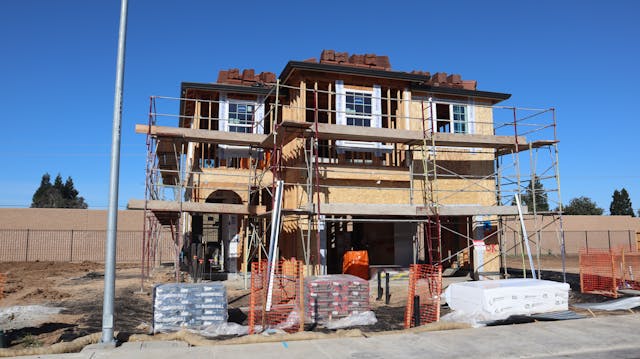
ICF technology is one of the best ways to make sure that your home is energy-efficient. This is a new technology that has proven to be very effective at helping control the temperature in homes. It is also a very stable and sturdy construction method that helps homes hold up perfectly for years into the future.
This is one of the best ways to create a net-zero energy home. Net-zero energy homes use renewable energy systems, solar panels, and high-performance construction to ensure that they produce as much power as they use each year. This should probably be the goal of all homes, and construction methods are moving closer and closer to this outcome each year.
2. Seal Air Leaks
Using caulk and weatherstripping around windows and doors can make all the difference when you are trying to save money on heating and cooling. Many people are not aware of just how much hot and cold air is escaping from their home and how much air exchange is taking place through poorly sealed windows and doors. You might even hear wind blowing through the gaps in doors and windows when it’s stormy out if you haven’t fixed this issue.
Newer homes are built with superior sealing for windows and doors, but over time, the sealing around these access points can break down and need attention. Don’t skip over quality seals and make sure that you check on the well-being of your seals at least once a year.
3. Change to LED Lighting
LED lighting is far superior to standard lighting. It saves a ton of energy, and these bulbs last far longer than standard lighting as well. LED lighting can usually also be changed to produce different colors. You might want to mimic older lighting types and opt for a slightly amber-toned light for your LED lighting. You can also pick unique colors when you choose the right LED lights. If you want to be able to change the color of your lighting for the mood or the vibe, you could do so with the right LED lights.
4. Use Energy-Star Appliances
Upgrading your appliances can make a big difference when you are trying to improve your home’s energy efficiency. Energy-star appliances can be a great investment in the longevity and convenience of your kitchen space, as well as a great way to ensure that you are not wasting energy each day as you cook, clean, and wash clothing.
Energy Star appliances are clearly labeled, which makes it simple to be sure that you are getting the real deal when you are looking at quality appliances that you can count on. This is a very important certification, and you should consider replacing existing appliances with Energy Star appliances as well as investing in new devices if you are building a home from the ground up.
5. Have Your HVAC Checked Out
Your HVAC system needs to be set up correctly to be efficient, and parts and components can age over time, requiring repairs or upgrades. If your HVAC system is more than a few years old, you should consider having a maintenance company come and take a look at it at least once a year. Having an expert take a look at your HVAC will help to catch issues early on before they start to cost you money or lead to major problems with your heating and cooling system.
Having an HVAC tech take a look can also help you figure out how to make your HVAC system more efficient. There are frequently many things that can be done to upgrade an older or existing system to be less wasteful and to do a better job at keeping your home comfortable in any weather.
6. Use a Smart Thermostat
Smart thermostats are worth their weight in gold these days. Once a finicky and new technology that was hard to count on, smart thermostats are perfect for keeping your home heated and cooled to the exact right temperature every single day. You can set your smart thermostat to run programs when you are home or away, and it can also start heating or cooling your home in response to changes in the outdoor temperature.
A smart thermostat is a must-have for any modern home that is being converted to a more energy-efficient dwelling.

Making Sure Your home is Energy-Efficient Can be Key
There are lots of good reasons to be sure that you are creating an energy-efficient living space
. You will want to save money on your heating and cooling costs of course, but you also want to be comfortable in your home, no matter how hot or cold it is outside. You can also build your home to be energy-efficient from the start, using ICF construction and best practices for building energy-responsible homes.
Houses that are built or remodeled with these tips and tricks in mind will save thousands each year in energy bills and will also make the world a better place. If you want to live in a space that is part of the solution and not the problem, you need to put energy consciousness at the top of your list of considerations.