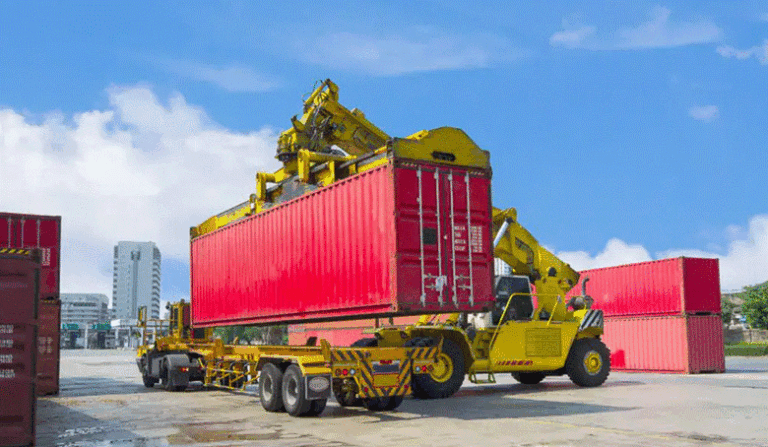

The EPA has some pretty alarming numbers – a staggering 600 million tons of C&D debris were generated in the United States back in 2018. And to put that in perspective, it’s more than double the amount of trash we throw away in a normal year. That’s a massive problem, and one that property owners everywhere need to start taking seriously.
Every year, millions and millions of tons of old asphalt shingles end up in landfills. But here’s the thing: your roof doesn’t have to be a part of the problem. By making a few smart changes, you can turn your roof into a force for good.
There are three super simple eco hacks that can make a huge difference. They include choosing materials that don’t trash the planet, using coatings that are good for the air, and doing regular maintenance to keep things running smoothly.
Doing these three things will not only help save the planet, but also save you a pretty penny in the long run by reducing the need for expensive roof replacements.
1. Pick Materials That Get Along with the Earth
Why What You Choose Matters a Lot
Traditional asphalt shingles are basically made from oil – which is a total pain to deal with, energy-wise. Not to mention, they’re super hard to recycle, so they just end up in the landfill.
Making smart choices starts with what you choose for your roof – in this case, picking materials that don’t make things worse.
Eco-Friendly Roofing Materials That Are Actually Worth Knowing
There are some amazing alternatives to traditional asphalt out there. These materials are not only tougher and longer-lasting, but they’re also kinder to the planet.
Some of the best options include:
● Recycled-content shingles that cut down on waste and deliver great performance
● Metal roofs that last for decades and help keep your house cooler
● Wood shakes that are natural insulators and biodegradable
● Clay or concrete tiles that are made from natural resources and last for a long, long time
A Quick Word on Cost vs Value
Now we know that eco-friendly materials can cost a bit more upfront, but the math gets a whole lot better when you look at the long-term picture. A metal roof that’s installed once can replace multiple standard asphalt roofs, saving you money and reducing waste in the process.
A Key Thing to Keep in Mind: While eco-friendly materials cost a bit more at first, they end up lasting so much longer – in the case of a metal roof, it can last four times as long as a standard asphalt roof. That’s huge savings, not to mention a much smaller environmental footprint.
2. Coating Your Roof for Energy Efficiency
What’s a Cool Roof
A cool roof does its job by bouncing the suns rays back into the atmosphere while absorbing way less heat than a standard dark surface. This means surface temperatures stay lower during the hot summer months.
The LBNL reckons that if homes in climate zones 4 & 5 adopted cool roofs, they’d see a whopping energy saving of nearly 207 trillion BTU every year thats worth around $1.4 Billion/year to homeowners.
Getting the Right Materials
To get the best results from your cool roof, you’ve got to pick the right materials for the job. If you’re using your RV in the sun, you’re going to need a membrane that can stretch a bit without cracking under pressure.
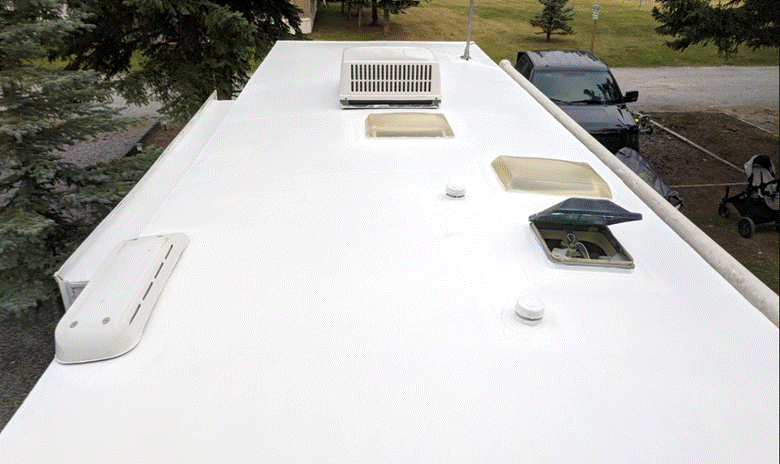
A water-based coating like a long-lasting RV roof repair is a great choice. Not only is it seamless, but its also got some great heat reflecting properties and can handle extreme temperature swings without letting off any nasty fumes.
The Case for Non-Toxic Coatings
A lot of the old-style coatings we used to use release all sorts of nasty chemicals into the air. These fumes contribute to terrible air quality and also pose a serious risk to local waterways when it rains hard.
But with water-based elastomeric sealants, you can get an eco-friendly roofing solution that eliminates all these hazards. They form a great protective layer without releasing any nasty chemicals into the air.
Important: Check the label before you start applying roof coatings. If you’re still using one of the old solvent-based products, it releases tonnes of VOCs that can really degrade the air quality in your area and even poison your local waterways. Stick to zero-VOC stuff instead.
3. Making Your Roof Last
The Environmental Argument for Keeping Your Roof in Good Nick
Looking at home upkeep in a different light reveals that regular maintenance is a pretty big deal. If you can just stretch out the life of your roof by five years, youve just kept a whole lot of material out of landfill.
The LBNL reckons that replacing 30% of standard shingles with high-performance cool asphalt shingles on homes in the two hottest US climates (RECS zones 4 & 5) would save around 0.6 quadrillion BTU over 20 years. Thats a whopping $3.5 Billion in savings. And if you just do a bit of maintenance every year, you can put off the need for a complete replacement and avoid chucking so much stuff in the trash.
Your Simple Seasonal Maintenance Checklist
Doing a basic seasonal checkup catches any minor issues before they turn into a bigger mess that ends up costing you a fortune to fix. And that’s the beauty of being proactive – your roof gets to keep on performing year after year with just a little TLC.
To start with :
- In spring, a quick once-over can spot lifted shingles, cracked seams, and the damage winter ice expansion can do.
- Before the heat really kicks in, a summer prep check makes sure any reflective coatings are still in good nick so your roof can do its job properly.
- Come fall, all that autumnal debris needs clearing and the gutters giving a good scrubbing to stop water from pooling up and getting into a really dangerous situation.
- If there’s been a storm then you need to check your roof right away to catch any localized damage caused by heavy rain or strong winds.
When to Re-seal and What to Use
One of the smartest – and most cost-effective – things you can do for your roof is to proactively seal off any vulnerable seams. This just about halves the risk of water getting in and really stretches out the lifespan of what you’ve already got.
And the best part is you can use modern water-based sealants which won’t do your local water supply any harm at all – which is a big plus when it comes to keeping your environment clean and green.
Pro Tip: A quick trick to take a standard patch up to the next level is to embed a piece of geo-textile fabric into your sealant layer – easy peasy and makes a huge difference.
The Bottom Line
By following these three super straightforward strategies, you can really cut down on the environmental impact of your property over time. Using durable materials and eco-friendly coatings means your roof will last longer and help keep the planet a little bit greener too.
Saving energy with the right coatings keeps your home cool and your waterways safe from pollution. Regular maintenance is the key to keeping your home in top nick and doing your bit for the planet.
You don’t need to be a pro to make a real difference – just by choosing to use green materials and sound coatings you can help keep your home in line with the planet. So get started now and see what other eco-friendly options are out there for your next big home project.