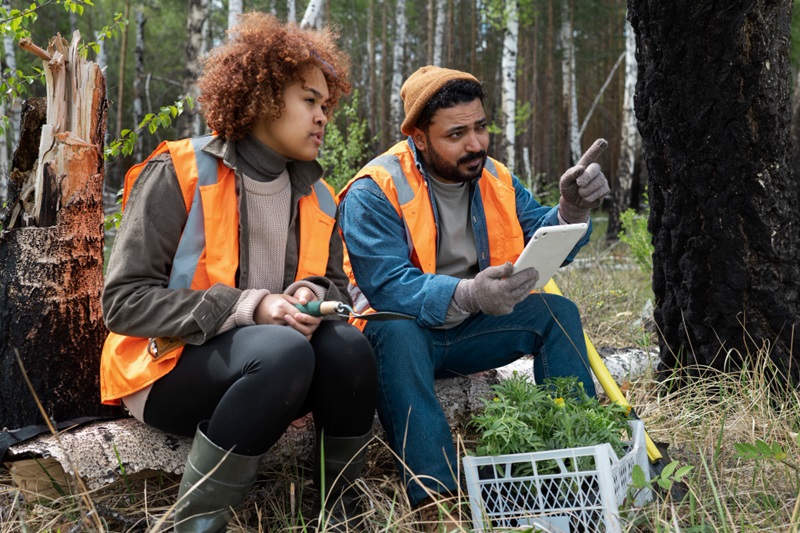

Photo courtesy of Freepik
As urbanization continues to expand, the need for balancing development with conservation becomes increasingly vital. Construction projects often disrupt natural habitats, leading to loss of biodiversity and ecological damage.
To mitigate these effects, it’s essential to adopt construction practices that prioritize environmental sustainability. This article aims to explore best practices that minimize the impact of construction on natural habitats, providing solutions for developers and planners to ensure their projects are environmentally responsible while meeting the demands of growth.
Conduct Comprehensive Environmental Assessments
Before starting any construction project, performing a thorough Environmental Impact Assessment (EIA) is crucial. This assessment helps identify the potential environmental consequences of development, ensuring that sensitive habitats are protected. Key actions include:
- Identifying ecosystems at risk
- Analyzing potential disruptions to local wildlife
- Mapping endangered species or plant life in the area
By evaluating these factors early in the planning process, developers can adjust their project plans to minimize harm. This proactive approach allows for effective mitigation strategies, safeguarding the environment while still achieving project goals.
Implement Sustainable Site Selection Strategies
Choosing the right location for a construction project is key to minimizing ecological impact. By carefully selecting sites with lower ecological value, developers can avoid disrupting critical habitats.
Key actions include avoiding construction in environmentally sensitive zones such as wetlands, forests, and wildlife corridors. Prioritizing areas with less environmental significance helps reduce the overall impact.
Additionally, collaborating with environmental organizations to assess the suitability of a site ensures that construction efforts align with conservation goals. This approach significantly reduces the risk of disturbing delicate ecosystems and protects biodiversity.
Use Green Building Materials and Methods
Green construction methods and materials minimize a building’s environmental footprint. Developers can use sustainable materials, such as recycled products and low-carbon concrete, to reduce the need for raw resources. They can incorporate energy-efficient designs, like passive heating and cooling, to lower long-term environmental impact.
Installing eco-friendly technologies, such as solar panels, rainwater harvesting systems, and green roofs, helps conserve resources and promotes sustainability. This approach reduces resource consumption, lowers energy costs, and creates a smaller ecological footprint throughout the building’s life cycle.
Employ Ground-Penetrating Radar for Utility Detection
Ground-penetrating radar (GPR) plays a crucial role in preventing damage to underground ecosystems during construction. Developers can avoid unnecessary ground disturbance by using Ground Penetrating Radar Systems to locate underground utilities.
This technology helps prevent the excavation of sensitive subsurface layers, such as water tables or protected habitats. It enables precise utility mapping, ensuring that construction activities do not harm the environment. This approach minimizes harm to both above-ground and underground ecosystems by reducing unnecessary digging and preserving natural resources.
Implement Habitat Restoration Programs
Post-construction rehabilitation is crucial for restoring natural habitats affected by development. By taking the necessary steps to restore the environment, developers can help offset the negative impacts of construction and promote ecological recovery. Key actions for habitat restoration include:
- Planting native vegetation to replace lost habitats, which supports the local ecosystem and maintains biodiversity.
- Creating wildlife corridors and green spaces to provide safe passages for wildlife and foster ecological connectivity.
- Reintroducing local species to the area after construction, ensuring the return of the region’s native fauna.
These restoration efforts help to rejuvenate the environment, enabling ecosystems to recover and thrive in the long run.
Reduce Construction Site Disturbances with Smart Technologies
Technological solutions can significantly limit disturbances to local habitats during construction. By leveraging these innovations, developers can create less intrusive construction processes that protect the surrounding ecosystems. Key actions include:
- Using drones for site monitoring, reducing human activity in sensitive areas and allowing for efficient surveillance without disrupting wildlife.
- Adopting noise and dust control systems to minimize pollution and reduce the impact on nearby ecosystems.
- Implementing real-time monitoring for soil erosion, water contamination, and wildlife displacement, ensuring early detection and quick intervention if necessary.
These smart technologies help ensure that construction processes cause minimal disruption to wildlife and their habitats, supporting sustainability throughout the project’s lifecycle.
Endnote
It’s important for construction projects to consider the impact on natural habitats and take steps to minimize damage. Builders, developers, and policymakers should make these practices a priority in future projects to ensure a balance between development and environmental care. Sustainable development is achievable and necessary for the health of our ecosystems, helping to create a more responsible approach to growth that benefits people and the environment.