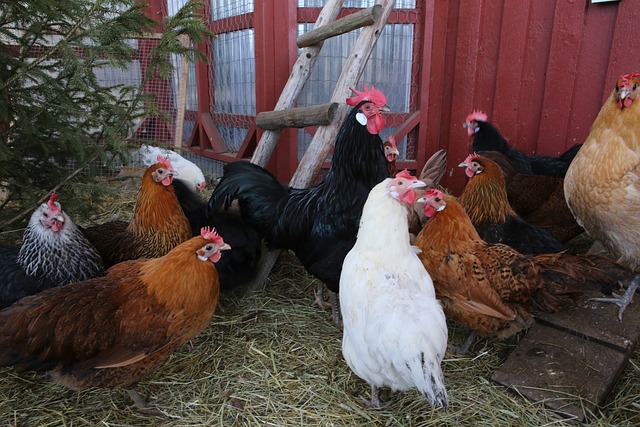

Image Source: Pixabay
Chicken has long been one of the most affordable and low-maintenance meats out there, requiring less land, water and grub than say beef, lamb or pork, which is probably why it’s become something of a staple across most of the world by now. And it’s also one of the fastest-growing parts of the agricultural sector.
But climate change is starting to kick the bucket & get in the way of chicken farming – things like cost of feed, energy and transport are all going up because of changing weather patterns, and that in turn can affect bird health & the condition of farm buildings too. All of which can make chicken prices fluctuate pretty wildly & also change the way chicken is produced, sold & traded across the globe.
To get a better handle on why chicken prices seem to be going through so many changes, we really do need to take a closer look at how chicken farming impacts the environment – & see how it depends on weather and natural resources in the first place.
Getting a Handle on the Environmental Impact of Chicken Farming
Chicken is generally considered to be a pretty environmentally friendly option when it comes to meat – studies show it produces less pollution than say beef or sheep, mainly because they grow so fast & can turn feed into meat with such efficiency.
Still though, it’s worth noting that even if chicken is more efficient than some other meats, it still has an environmental impact – for example:
- Farmers need to grow crops like corn and soy to be fed to the chickens
- Chicken houses need energy to heat, cool & light
- Trucks & cold storage get used to transport & store chicken products
- The waste from chickens has to be stored & managed safely
As demand for chicken is going up, especially in developing countries, more & more farms are churning out chicken each year. Even though chicken farms are getting more efficient, that doesn’t necessarily mean that the total pollution from poultry is going down – which is probably why governments, investors & food companies are starting to take a closer look at the environmental impact of poultry farming. As a result new regulations & environmental concerns can end up costing farms more & affecting the price of chicken.
A Tale of Two Footprints : Chicken vs Other Meats
People often think of chicken as a low-pollution option – but when you compare it to other meats it becomes clear that its environmental impact is a little more nuanced than that. Research from farming & environmental groups has shown that there’s a pretty clear difference in pollution levels when it comes to different types of meat.
Estimated Greenhouse Gas Emissions by Meat Type
| Meat Type | Average Emissions (kg CO₂e per kg of Meat) | Key Emission Drivers | Relative Climate Impact |
| Beef | 50–60 kg CO₂e | Methane from cattle digestion, land use, feed production | Very High |
| Lamb | 20–40 kg CO₂e | Enteric fermentation, pasture land requirements | High |
| Pork | 7–12 kg CO₂e | Feed production, manure management | Moderate |
| Chicken | 5–7 kg CO₂e | Feed crops, energy use, manure emissions | Lower |
| Eggs | 4–6 kg CO₂e (per kg of product) | Feed production and housing energy | Lower |
| Plant Proteins (Legumes, Soy Foods) | 1–3 kg CO₂e | Crop cultivation and processing | Very Low |
Source ranges derived from lifecycle assessments by the Food and Agriculture Organization (FAO), Intergovernmental Panel on Climate Change (IPCC), and peer-reviewed agricultural sustainability studies.
Why Poultry Emissions are Relatively Low
A bunch of factors explain why poultry has a lower environmental impact than other types of farming:
- Chickens are pretty good at converting feed into meat – they’re a lot more efficient than, say, cows.
- Poultry farming doesn’t require all that much land to be turned over for grazing.
- Chickens grow up a lot faster than other livestock, which helps reduce their overall energy usage.
- And unlike cows, poultry doesn’t belch out methane as it digests its food.
However, despite all these advantages, the reality is that poultry emissions are still pretty heavily influenced by how we produce and transport feed. As the demand for chicken keeps rising, the total emissions from the sector just keep going up.
The Real Climate Cost of Poultry Feed
For chicken farmers, feed is the biggest cost – it can make up anywhere from 60 to 70% of their total expenses. And most of the time, it’s based on crops like corn and soy, the prices of which are totally governed by the weather and the climate.
How Weather Affects Our Food
Corn and soy need pretty stable weather to grow well. But long droughts can cut harvests way back, while too much rain or floods can muck up the crops, delay planting or harvesting, and even mess with transport and shipping.
When crop harvests are down, feed prices tend to go up – which is bad news for chicken farmers who have to pay more for their feed. And in the end, that usually means consumers end up paying more for their chicken too.
The Great Corn and Soy Scarcity
Corn and soy have all sorts of uses apart from feeding chickens. They get used to make fuel and other products, which means there’s competition for them when the climate is playing up. When supply and demand get out of balance, prices can shoot up in short order.
The Heat is On: How Hot Weather Affects Chickens
Chickens don’t handle really hot weather very well at all. Rising temperatures and heatwaves have been causing a lot of trouble on poultry farms in recent years.
The Bigger Picture: How Heat Stress Affects Production
When chickens get heat stress, they tend to eat less, which means they grow a lot slower. And that means farmers end up having to raise them to market size over a longer period – which, of course, is bad news for their feed costs.
In the worst cases, hot weather can even reduce egg production – which is not great for anyone trying to grow their chicken business.
Care Costs are Going Up
Warm and humid weather really helps bacteria and parasites spread faster – which is bad news for bird health. To keep their chickens safe and healthy, farmers are having to spend more on vaccines, vet care, and all sorts of other measures to keep them cool and prevent disease. Unfortunately, that all adds to their costs, and in the end that just gets passed on to consumers in the form of higher chicken prices.
Energy Use and Climate Policies
Modern chicken farming cranks up the energy usage big time. You need power for the heating, cooling, the lights and the whole processing operation.
Rising Energy Needs
You see, young chicks need to be kept nice and warm, while older birds need some serious cooling systems to keep them comfy. And as the weather gets more and more extreme, farmers are having to rely on fans, cooling pads and all sorts of climate control gizmos.
And then there’s the chicken processing plants, which need energy to keep food chilled, clean and packaged.
Carbon Rules and Environmental Policies
There’s a lot of countries now slapping on carbon taxes and pollution rules to try and reduce the damage we’re doing to the climate. Problem is, farms may need to shell out for new kit or energy systems to meet these rules, and that’s going to increase costs in the short term.
Environmental Rules and Supply Chain Tracking
Government and food companies are now getting serious about being more eco-friendly. Poultry producers are often required to:
- Cut back on those nasty greenhouse gas emissions
- Sort out their waste and manure handling
- Start using cleaner energy sources
- Get a handle on their environmental performance – that’s tracking and reporting, basically
Meeting all these rules is going to require some fancy new tech and monitoring systems, and large companies might be better equipped to handle the costs than small farms. That can lead to some interesting times for local pricing and competition.
Changing Consumer Demand
There’s a lot of people now very interested in eating climate-friendly food, and for some reason chicken tends to be seen as a lower-pollution meat than beef or lamb. So, as a result, more people are choosing chicken.
The problem is, if demand goes up faster than supply, prices can shoot up. And climate change is affecting the poultry market in two ways – through farming costs and consumer choices.
New Technology in Chicken Farming
Farmers are getting in some new tools to help manage the risk from climate change. Some of the common improvements you see include:
- Smart feeding systems that cut down on waste
- Computer tools that keep an eye on bird health
- Climate-controlled barns
- Solar panels and energy-saving ventilation
These tools can improve long-term efficiency, but they ain’t cheap to install. Which means farmers may well put their prices up until they can recoup their costs.
Climate Effects in Different Regions
Climate change is affecting poultry farming in different ways in different parts of the world.
Hot and Tropical Regions
Higher temperatures mean higher cooling costs and more disease risks and heat stress.
Temperate Farming Areas
Changing seasons can start to mess with crop growth and transport systems.
Developing Countries
Some regions, sadly, are still struggling with poor infrastructure and old farm technology. Extreme weather can make a real mess of their supply problems and prices will spike.
It’s all creating these uneven global chicken prices.
Will Chicken Prices Keep Going Up?
Climate change is going to start making chicken prices a lot less stable. There are a few things that could really drive prices up:
- Rising costs for chicken feed
- Higher energy costs and the rules around using it
- The damage extreme weather is doing to farms
- More money being spent on disease control
On the other hand, some things could end up reducing costs in the long run:
- Better breeding of chickens
- Improved chicken feed formulas
- More use of renewable energy
- Getting better at adapting to climate change
Chicken prices are going to keep on changing – not going up, not going down, but just changing – rather than following one steady pattern.
What This Means for Everyone and the Market
Chicken is still one of the cheapest meats out there. But prices are likely going to become less predictable because of climate change.
Governments and people who plan out the food supply are really focusing on farming that’s safe for the climate. They’re investing in research on feed, making farms more energy efficient, and looking at ways to stop diseases.
People who work in the food industry are also watching market data more closely. They track climate trends, crop harvest reports, and energy price changes. Public pricing resources such as chickenrate.net can help show how poultry prices shift over time, giving consumers and businesses a clearer view of market patterns.
Poultry Market Outlook – 2026 and Beyond
Experts think that climate change is going to keep on affecting chicken prices for the next few years. Feed costs, energy prices, and the risk of disease are all going to play a role in how much chicken is available and how much people are willing to pay for it.
Key Trends That Are Going to Affect Prices
- Feed Prices Change
Crops could get hit by bad weather, even if it’s just a little bit, and this can cause feed costs to go up. - Energy Prices Keep Fluctuating
The cost of cooling and refrigeration is rising and it’s not clear when or if renewable energy will be able to help. - Risks of Disease Outbreaks
Climate change might make diseases like bird flu more common and this can cause a big supply shortage and a price spike. - Supply Chain Disruptions
Flooding, storms and heatwaves can all cause problems for farms and the roads that get goods to market. This can cause short-term supply shortages.
Global Poultry Price Risk Forecast (2024-2026)
- Feed crop changes: This is a pretty high risk for prices to go up
- Energy price swings: This is a medium risk for prices
- Disease outbreaks: This is a high risk for a big price spike
- Climate damage to infrastructure: This is a medium to high risk
- Better technology could also reduce costs long-term
Regional Price Outlook
- North America and Europe: Prices might go up a bit but there’s a lot of support from technology
- South and Southeast Asia: Because of the high risk of climate damage, prices might swing a lot more
- Latin America: They have a good crop supply going on but there are still some drought risks
Chicken is likely to stay cheaper than red meat but it’s going to be a lot more unpredictable and might see more short-term price swings.
Climate Change and Food Prices
Climate change is now really affecting the prices of everyday food, including chicken. Poultry farming relies on crops and energy systems that are super sensitive to the weather, and also on keeping the chickens healthy.
Chicken farming is still pretty efficient compared to other meats, but it can’t avoid the risks that come with climate change. As the pressure from climate change grows, the price of chicken is going to start reflecting the true cost of how food is produced in a changing world.
If you understand these changes it can help make sense of why prices go up and down and how climate and food costs are all connected.