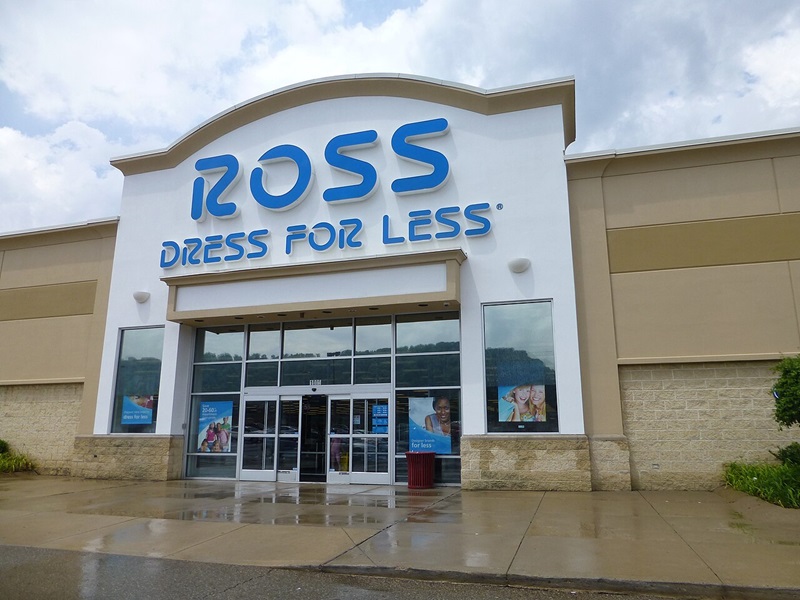

Image: wikipedia
Short answer: No. Ross Dress for Less is not a thrift store. Ross sells new items at low prices. The items come from known brands and cost much less than in regular stores.
Many people get confused. Ross looks different from mall stores. Prices seem very low. The items change all the time. But knowing why things are cheap matters. It helps you understand quality, returns, and how the store works.
This guide makes it clear.
Why People Think Ross Is a Thrift Store
Ross seems like a thrift store in some ways:
- Very low prices
- New items arrive often
- Shopping feels like a treasure hunt
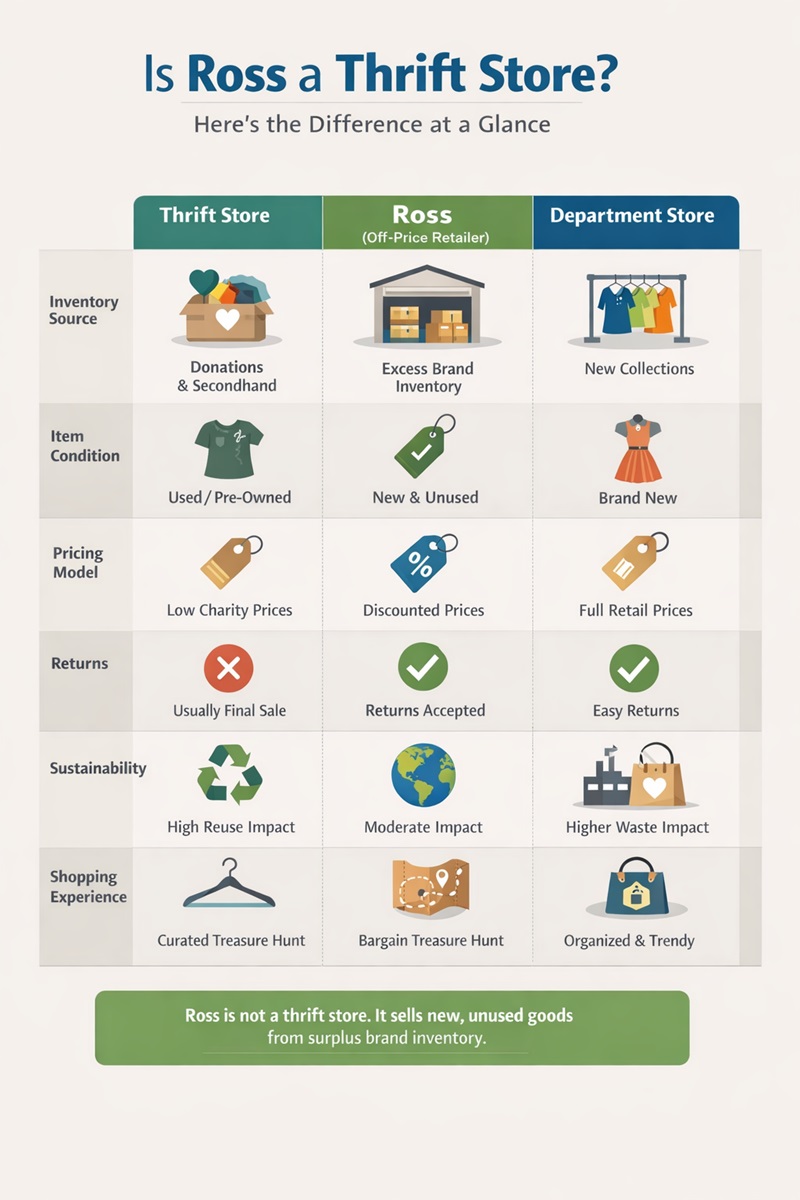
But there’s a big difference. Thrift stores sell used items that people donate. Ross does not. Low prices alone don’t make a store a thrift shop. Where the items come from is what matters.
What a Thrift Store Really Is
A real thrift store sells items people donate. The store resells these items. Most thrift stores help a charity or cause.
What makes a thrift store:
- Items are mostly used
- Quality varies a lot
- Often run by a nonprofit
Goodwill is a good example. It sells donated goods. The money helps fund job training and community help.
Ross does not take donations. It does not sell used clothes. It is not a nonprofit.
So What Type of Store Is Ross?
Ross is an off-price discount retailer.
This means:
- Ross sells new, unused items
- It buys from brands and makers
- It focuses on extra stock and canceled orders
- It keeps costs low with simple stores
Ross is like TJ Maxx and Marshalls. It is not like thrift stores.
Where Does Ross Get Its Inventory?
Ross sources merchandise through established retail channels:
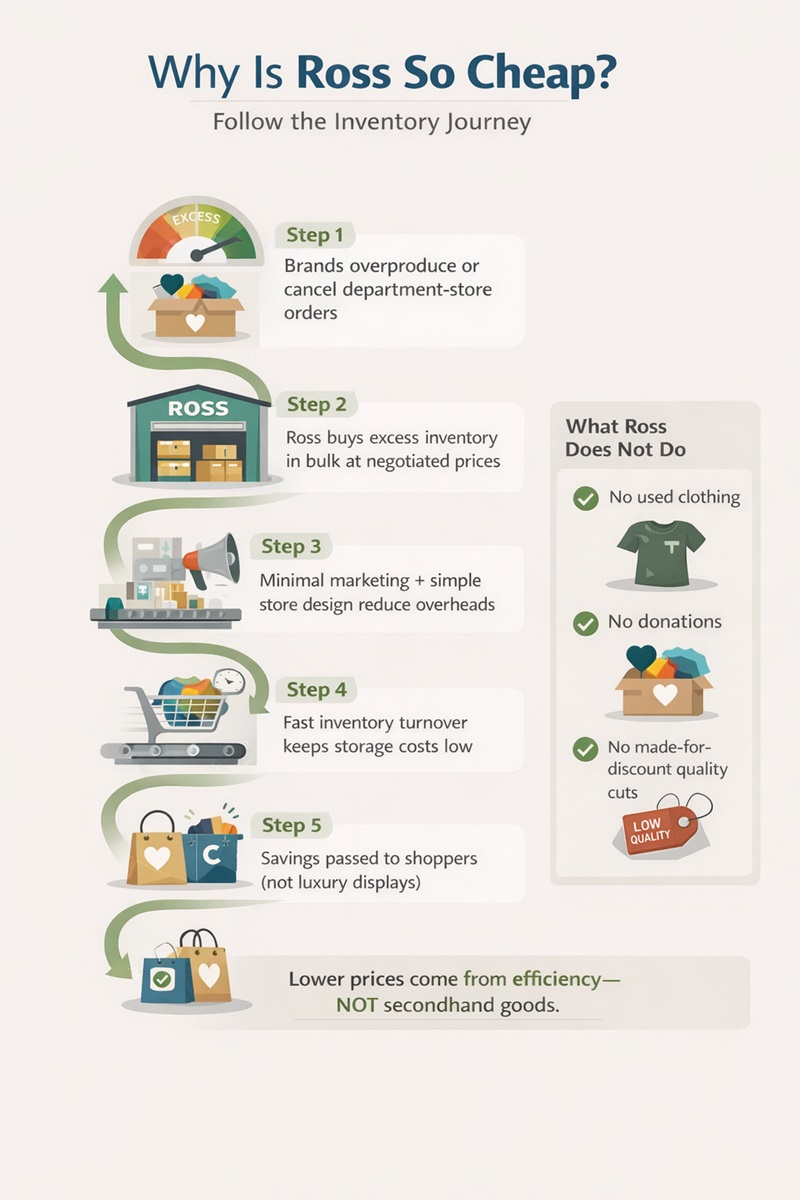
- Overproduction
Brands often manufacture more units than full-price stores can sell. - Cancelled or Reduced Orders
Department stores adjust orders due to trend shifts or seasonal changes. - Seasonal Closeouts
Items that miss a retail season still have value at a lower price point. - Minor Label or Packaging Variations
Products may differ slightly in packaging but are unused and first-quality.
These goods are new, not returns and not secondhand.
Why Is Ross So Much Cheaper Than Mall Stores?
Ross doesn’t cut prices by cutting quality. It cuts costs by simplifying operations.
Key cost advantages include:
- Minimal advertising spend
- Basic store layouts and fixtures
- High inventory turnover
- Bulk purchasing at negotiated rates
Brands protect their premium image by moving excess stock quietly through off-price retailers. Ross is built to operate efficiently within that system.
Is Shopping at Ross Considered “Thrifting”?
Structurally, no.
Traditional thrifting is about reuse and donation-based resale. Ross shopping is about redistribution of surplus new goods. While social media often uses “thrift” as shorthand for bargain shopping, the retail mechanics are fundamentally different.
Ross fits more accurately under budget retail, not thrifting.
Ross vs Thrift Stores vs Other Discount Chains
Ross vs Thrift Stores
- New merchandise vs secondhand
- Consistent baseline quality vs mixed condition
- Standard return policies vs frequent final-sale rules
Ross vs Other Off-Price Retailers
Compared with similar chains, Ross generally:
- Prices items slightly lower
- Offers less curated displays
- Emphasizes volume and basics over trend storytelling
Is Ross a Sustainable Way to Shop?
From a sustainability perspective, Ross sits in the middle.
Potential benefits:
- Diverts excess inventory from landfills
- Extends the usable life of already-produced goods
- Reduces immediate demand for new manufacturing
Limitations:
- Still operates within fast-fashion supply chains
- Does not replace the environmental benefits of true secondhand reuse
Ross can be a more responsible option than buying newly produced ultra-cheap clothing, but it is not a substitute for thrift or resale platforms when sustainability is the primary goal.
What You’re Actually Buying at Ross
Common product categories include:
- Clothing and footwear
- Accessories
- Home décor and small household goods
- Beauty and personal-care items
What you generally won’t find:
- Used or worn clothing
- Complete seasonal collections
- Consistent restocks of the same item
Inspection matters—but the merchandise is new.
Is Ross a Thrift Store Worth It? 9 Things to Check Before You Buy
Ross isn’t a thrift store, but shopping it well requires the same level of attention.
Before you buy, experienced shoppers recommend checking:
- Seams, zippers, and buttons for construction issues
- Fabric quality, not just brand labels
- Fit and sizing, which can vary by production run
- Care labels that may add long-term cost
- Return eligibility for the specific category
- Price comparisons across nearby racks
- Original tags for context, not as proof of value
- Impulse-buy risk—cheap doesn’t mean useful
- Overall wear value, not just the discount
Ross is most “worth it” when purchases are intentional, not impulsive.
About Ross: Company Goals, Popularity, and How the Stores Work
Ross has become one of the most recognizable names in U.S. discount retail by focusing on price discipline rather than trend leadership.
The Company’s Core Goal
Ross’s model is straightforward:
Deliver brand-name goods at the lowest possible price by operating differently from traditional retailers.
The company prioritizes:
- Buying surplus inventory instead of commissioning collections
- Passing savings to customers rather than investing heavily in marketing
- Keeping stores functional rather than decorative
Why Ross Is So Popular in the U.S.
Ross’s appeal lies in predictability at the macro level:
- Shoppers expect low prices
- Inventory changes frequently
- Each visit feels different
That “treasure-hunt” structure encourages repeat visits without requiring trend forecasting.
How Ross Stores Are Designed to Function
Ross stores are intentionally minimalist.
This design:
- Maximizes floor space for inventory
- Reduces operating and maintenance costs
- Allows faster product rotation
What looks unpolished is, in fact, operational efficiency.
Where Ross Fits in Today’s Retail Landscape
Ross occupies a practical middle ground:
- Cheaper than department stores
- More consistent than thrift shops
- Less trend-driven than fast fashion
For shoppers focused on value, brand familiarity, and accessibility, Ross continues to play a distinct role in American retail.
Final Verdict
Ross is not a thrift store.
It is an off-price discount retailer selling new, unused merchandise sourced from excess brand inventory.
If your priority is secondhand reuse and donation-based impact, thrift stores remain unmatched. If your goal is to buy brand-name items for less—without purchasing used goods—Ross serves a very different, clearly defined purpose.
Understanding that distinction helps you shop with clearer expectations and better alignment with your values.