
Bamboo is no longer a niche material. It is now a strong choice in modern furniture.
Many shoppers once saw bamboo as a cheap stand-in for wood. That idea no longer holds true. Bamboo holds up well in daily use, supports sustainable growing, and stays affordable without losing quality.
Its mix of fast growth, strength, and flexibility puts bamboo on par with—and often ahead of—traditional wood. These sections explain why bamboo furniture now competes with wood across markets worldwide.
1. A Material Many Buyers Misjudge
Many people still judge bamboo based on older products.
In the past, bamboo furniture often used thin poles tied together. These pieces looked decorative but felt weak. This created the idea that bamboo breaks easily.
Modern bamboo furniture is very different. Makers split bamboo into strips. They press and bond them under high pressure. The result is solid boards that behave much like hardwood.
Today’s bamboo furniture uses thick panels, strong legs, and smooth surfaces. It holds weight well and fits modern styles. Some retailers even sell bamboo as a premium option next to oak or walnut.
Once people see bamboo in real use, opinions change fast. Kitchen islands, bed frames, tables, and shelves show its strength. Bamboo handles heat, weight, and humidity better than expected.
This real-world use builds trust and drives demand.

2. Fast Growth and Environmental Benefits
Bamboo grows faster than any common wood used in furniture.
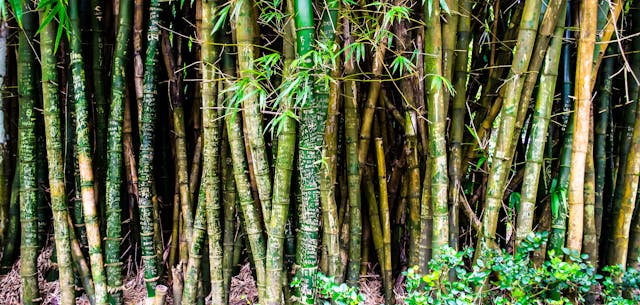
Many bamboo types mature in three to five years. Hardwoods can take twenty to one hundred years. This fast growth allows steady supply without harming forests.
Bamboo also regrows from the same roots. Workers cut the stalk, and new shoots grow back. There is no need to replant. This protects soil and keeps carbon stored underground.
Wood farming often needs replanting, soil disruption, and long recovery periods. Bamboo avoids these problems.
Bamboo also needs fewer pesticides. Its natural structure resists many pests. This lowers chemical use and cuts costs for growers.
Water use stays moderate because bamboo roots help hold soil and moisture. These traits make bamboo a good fit for sustainable farming.
Frequent harvests also help supply chains. Producers can plan steady output instead of relying on imported wood. This reduces long shipping distances for some brands.
Because of this, bamboo appeals to buyers who want lower environmental impact. Many furniture companies now use bamboo in eco-focused product lines to show real progress in sourcing.
3. Price Advantage Without Loss of Value
Bamboo grows fast, and that steady supply keeps prices stable.
Because bamboo grows quickly, retailers can sell bamboo furniture at mid-range prices without lowering quality. The price gap becomes clear when you compare bamboo to hardwoods like oak or walnut.
A bamboo coffee table often costs less than a similar oak table. Bamboo cutting boards cost less than maple boards, yet work just as well in kitchens. Bamboo flooring usually costs less than many hardwood floors and still looks modern. This makes it popular with renters and younger buyers.
Manufacturers also benefit from bamboo’s high yield. One acre of bamboo can produce more usable material each year than an acre of hardwood trees. This lowers material costs and helps factories keep large orders consistent.
When factories do not face shortages or long wait times, prices stay more predictable. Retailers can plan better, and buyers face fewer price swings.
Long-term value matters too. Bamboo handles daily use well, which helps furniture last longer. Buyers who want strength without high hardwood prices often choose bamboo.
Restaurants and bars sometimes choose bamboo for items like serving stations or lightweight seating. The combination of resilience and clean appearance fits modern interior design. For example, some venues install bamboo edges on counters or surfaces near restaurant bar stools because the material handles constant use without deteriorating quickly.
Designers also like bamboo because of its price. They can furnish full rooms without going over budget. Builders often choose bamboo for rentals and student housing because it looks modern and keeps costs steady.

4. Durability and Strength in Daily Use
Many buyers are surprised by how strong bamboo is.
Bamboo contains natural fibers that handle tension well. When pressed into solid boards, bamboo becomes dense and stable. It resists cracks in dry air and swells less in humid spaces than woods like pine.
Tests often compare bamboo to oak. In many cases, bamboo performs just as well. It handles pressure and resists dents from drops or heavy weight.
This strength matters in daily items. Dining chairs, desks, and benches benefit from bamboo’s toughness.
Bamboo also works well around moisture. In kitchens, bamboo cutting boards handle repeated washing without warping. In bathrooms, bamboo shelves stay stable even with steam from showers.
Temperature changes can cause wood to shift. Some woods expand or shrink with the seasons. Bamboo stays more stable because of how its fibers are aligned and bonded.
Weight support is another key factor. Bamboo bookcases and desks often match or exceed the weight limits of wooden ones.
Because of this reliability, restaurants and bars sometimes use bamboo for counters or seating. Bamboo edges near bar stools hold up well under constant use and still look clean and modern.
5. Climate and Carbon Behavior
Bamboo captures carbon very quickly as it grows.
Its fast growth allows it to absorb more carbon dioxide than many trees. That carbon stays locked inside the plant. When bamboo becomes furniture, the carbon remains stored for years.
Bamboo also performs well at the end of its life. Under the right conditions, it breaks down naturally. This helps reduce long-term waste. Wood can do this too, but bamboo’s shorter growth cycle and lighter processing give it a more balanced life span.
Making bamboo boards does use energy. Factories apply heat and pressure to bond bamboo strips. Even so, the total impact is often lower than cutting and processing hardwood trees.
Bamboo yields more usable material per acre. Because of this, fewer acres are needed to produce the same amount of furniture. This helps offset energy used during manufacturing.
Shipping also affects emissions. Bamboo often grows near furniture factories. This reduces the need for long-distance transport. Many hardwoods travel far before reaching production sites.
Bamboo is lighter than hardwood for the same usable size. This lowers fuel use during shipping.
Because of these benefits, global furniture brands often promote bamboo in eco-friendly product lines. Shoppers who care about carbon impact look for clear data. Bamboo performs well in areas like carbon capture, water use, and regrowth time.
6. Design Adaptability Across Styles
Bamboo gives designers more freedom.
The lamination process creates smooth, even panels. This allows designers to shape bamboo into curves, thin pieces, or layered forms. These designs would cost more or be harder to make with solid wood.
Modern styles favor clean lines and simple finishes. Bamboo fits this look well. Its uniform grain works in apartments, offices, and small homes.
Builders often match bamboo across cabinets, tables, and frames. This creates a calm, unified look.
Bamboo also works in classic designs. When stained, it can resemble warm wood tones like caramel or espresso. These finishes offer a traditional feel with better stability than some hardwoods.
Outdoor furniture makers also use bamboo. When sealed well, it holds shape and resists change. It feels sturdy but remains easy to move. Garden chairs, side tables, and sunroom shelves often use bamboo for this reason.
Customization is simple. Bamboo panels cut, join, and finish much like wood. Carpenters can use familiar tools, which helps small workshops try bamboo without major changes.
Bamboo also pairs well with other materials. Designers mix it with metal, glass, or soft fabrics. Bamboo adds warmth that balances modern or industrial elements without overpowering a space.
7. The Practical Test in Real Homes
Daily life shows how bamboo performs in real settings.
Many families place bamboo furniture in playrooms, dining spaces, and living areas. It handles spills, movement, and noise better than some soft woods. A bamboo table in a busy kitchen stays steady because the surface resists dents.
Small homes also benefit from bamboo. The material stays light, which makes it easy to move. Renters can rearrange rooms without lifting heavy furniture. Bamboo shelves, bed frames, and desks fit well in tight spaces that need clean lines.
Pet owners often notice clear benefits. Dogs and cats scratch, jump, and spill water near bowls. Bamboo legs resist scratches better than pine. Bamboo benches keep their shape after small spills. This makes bamboo a strong choice for homes with active pets.
Bathrooms are another test. Bamboo storage units handle humidity well. Many homes use bamboo shelves or cabinets near showers where wood might warp. Bamboo fibers hold their shape even with regular moisture.
Outdoor use depends on proper sealing. When treated correctly, bamboo works well on patios and balconies. It stays cool in sunlight and keeps its shape through the seasons. Gardeners often use bamboo stands or shelves because the material supports weight and handles damp areas.
Rental homes also benefit from bamboo furniture. Landlords want pieces that last through many tenants. Bamboo chairs, tables, and storage units handle wear and reduce repair costs.
Commercial spaces provide more proof. Cafes, coworking spaces, and casual restaurants use bamboo for seating, counters, and storage. The look stays neutral and fits many styles. Bamboo also holds up well under constant public use.
Hotels and hostels sometimes choose bamboo for light furniture in guest rooms. It looks clean, feels modern, and stays strong over time. Cleaning staff like bamboo surfaces because they wipe clean and resist stains.
As people see bamboo work in many settings, trust grows. Shoppers no longer see bamboo as a trend. They see it as a practical material that supports modern living.