

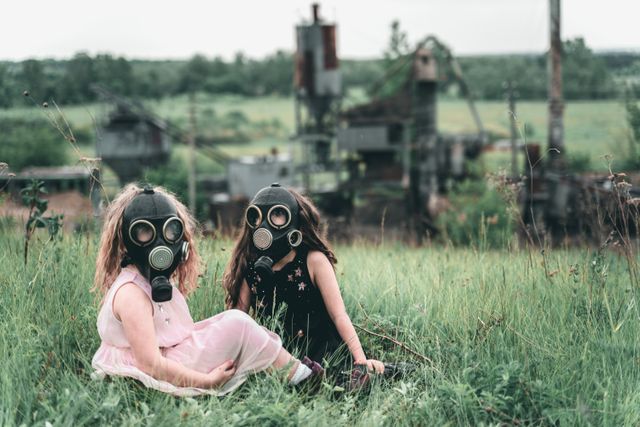

Environmental toxins are among the contributing factors for birth defects and injuries. Unfortunately, many parents do not understand how exposure to certain chemicals, heavy metals, and pollutants during pregnancy increases the risk of developmental problems.
As an expecting parent, you need to identify potential risks and make informed decisions to protect your children. Knowing which environmental toxins are linked to specific birth defects helps you take practical steps to prevent exposure. This updated October 2026 guide outlines the most prevalent ones.
Heavy Metals
Heavy metals such as lead, mercury, cadmium, and arsenic are harmful environmental toxins that cross the placenta and disrupt fetal development. These toxins interfere with cell division and damage vital organs. They also increase the risk of miscarriages, low birth weight, and congenital birth defects.
- Their sources: Lead is found in paint, old plumbing, traditional remedies, and industrial glazes. Mercury is found in predatory fish, industrial pollution runoff, and old thermometers. Other heavy metals come from industrial runoff or co-exposure during mining.
- Their effects: Heavy metals cause structural birth defects, fetal growth restrictions, neurotoxicity, brain damage, and pregnancy loss.
How parents can avoid these toxins: Filter drinking water, avoid high-mercury fish, avoid old paint and dust, and avoid smoking and secondhand smoke.
Air Pollutants and Combustion Byproducts
Fine particulate matter, black carbon, and other hydrocarbons inhaled during pregnancy can translocate to the placenta. These pollutants can further contribute to preterm birth, congenital heart defects, and an unusually low birth weight. According to a National Library of Medicine publication, air pollution exposure was linked to 35.7% of preterm births worldwide in 2019.
- Their sources: Exhaust from cars, trucks, and buses, as well as emissions from power plants, factories, and refineries. They also come from wildfire smoke, agricultural burning, tobacco smoke, wood-burning fireplaces, and gas stoves.
- Their effects: Structural birth defects, low birth weight, preterm birth, as well as neurological and developmental injuries.
How parents can avoid these toxins: Track the air quality, purify indoor air, avoid smoke exposure, and upgrade vehicle filters.
Pesticides and Herbicides
Exposure to pesticides and herbicides, which are used to destroy unwanted insects, weeds, and fungi, is linked to serious birth defects. These chemicals, which include organophosphates, carbamates, glyphosate, and synthetic pyrethroids, contribute to congenital malformations.
- Their sources: Agricultural and occupational settings, indoor pest control, food and water supplies, and particles tracked indoors on workers’ shoes, skin, hair, or work clothes.
- Their effects: Structural birth defects, pregnancy loss, stillbirth, preterm birth, unusually low birth weight, and neurodevelopmental impairments.
How parents can avoid these toxins: Buy organic foods, avoid chemical pest control, and isolate contaminated clothes. Also avoid applying lawn chemicals or using indoor bug bombs during pregnancy.
Chemical Solvents
Industrial and occupational chemicals like benzene, toluene, xylene, and glycol ethers are linked to structural defects in babies. Exposure during pregnancy also increases the risks of miscarriage, preterm birth, as well as low birth weight.
- Their sources: Include workplaces, household cleaning products, adhesives, cosmetics, polluted indoor air from newly painted spaces, and contaminated water supplies.
- Their effects: Endocrine disruptions, spontaneous abortion, miscarriage, gestational hypertension, preterm labor, low birth weight, growth restriction, structural malformations, and developmental delays.
How parents can avoid these toxins: Improve home and workplace ventilation, wear protective clothing when handling them, avoid skin contact and inhalation, and switch to non-toxic, eco-friendly alternatives.
If your baby has suffered a birth defect due to someone else’s negligence, here are some resource organizations you’ll find helpful:
Cerebral Palsy Guide
Definitions: Cerebral palsy is a group of neurological disorders affecting a child’s movement, motor skills, and muscle tone. Birth injury is physical damage or trauma sustained by an infant during the labor and delivery process.
Environmental risk factors: Maternal infections, maternal fever, and prenatal exposure to environmental toxins, heavy metals, and prescription medications.
Prenatal exposure windows and critical developmental periods: During the first trimester, infections can cause severe brain malformations. Risks shift toward disrupted blood flow and maternal infections during the second and third trimester. During labor and delivery, physical birth trauma, oxygen deprivation, and umbilical cord complications can occur.
Symptoms/conditions: Movement signs, developmental delays, and coexisting conditions, such as epilepsy, learning disabilities, ADHD, autism, and vision or hearing impairments.
Causation categories: Oxygen deprivation, physical trauma, genetic mutations, maternal infections, and postnatal conditions.
Legal process basics: Free case review, lawsuit, settlement, and the statute of limitations, which are state-specific deadlines within which families must file their lawsuit.
Support resources: Medical and advocacy support, financial assistance, and community connections.
Use cases: Families seeking answers, healthcare navigation, and pursuing financial/legal recovery.
The Cerebral Palsy Guide is an online educational and support platform for families navigating cerebral palsy. They also work with families affected by Erb’s palsy and related birth injuries. The platform offers educational resources, nurse support, information on care and treatment, and legal aid. They also offer financial aid, given that 2.4 out of every 1,000 U.S. children aged eight years have cerebral palsy.
Pros
- Consolidates medical, legal, and community information
- Offers a direct pipeline to chat with nurses
Cons
- Tailored to the United States
Birth Injury Justice Center
Definitions: Birth injury refers to damage caused to a baby before, during, or immediately following childbirth. A birth defect is a structural or functional condition that develops in the womb due to genetics or environmental factors.
Environmental risk factors: Physical trauma, fetal distress, and medical negligence.
Prenatal exposure windows and critical developmental periods: Exposure to specific medications during the gestation window, which is the critical timeframe during delivery.
Symptoms/conditions: Cerebral Palsy, Erb’s Palsy, brain damage, developmental conditions, and delivery/infection complications.
Causation categories: Product liability, medical malpractice, and physical traumas.
Legal process basics: Case review, lawsuit, and settlement in line with the statute of limitations.
Support resources: 24/7 live assistance, educational library, and community resources.
Use cases: Parents looking to file malpractice lawsuits, families trying to identify early signs of birth defects, and families filing product liability claims.
The Birth Injury Justice Center offers educational, medical, and legal resources for families dealing with birth-related trauma. From their LinkedIn profile, they support families whose lives have been affected by birth injuries. Their resources cover issues such as Erb’s palsy, oxygen deprivation, and cerebral palsy, of which 85% to 90% are congenital.
Pros
- Provides information on specific birth injuries and treatments
- Offers 24/7 live chat and a dedicated toll-free phone line
Cons
- Does not offer direct medical/legal advice
Birth Injury Help Center
Definitions: Birth Injuries are any physical harm or damage to a baby that occurs during pregnancy, labor, or delivery. Cerebral palsy is a disorder caused by brain damage that impairs body movement and the ability to control movement.
Environmental risk factors: Prenatal conditions that put the fetus at risk include maternal infections, problems with the placenta, excess amniotic fluid, and prematurity.
Prenatal exposure windows and critical developmental periods: Abnormalities and conditions can originate during pregnancy and fetal gestation. A critical window also exists during labor and delivery, when doctors must respond to disruptions in blood and oxygen flow.
Symptoms/conditions: Cerebral Palsy, Erb’s Palsy, Klumpke’s Palsy, infant brain damage, and physical orthopedic or nerve injuries. Symptoms include impaired body movement, loss of muscle control, and paralysis.
Causation categories: Orthopedic injuries, physical trauma, nerve injuries from excessive force, and brain damage due to temporary disruption of blood or oxygen flow to the baby’s brain.
Legal process basics: The platform directly connects severe birth injuries (like Cerebral Palsy) to medical malpractice lawsuits
Support resources: Information on financial assistance, medical context, and educational programs.
Use cases: Parents doing their research and families assessing if a birth injury stems from negligence.
The Birth Injury Help Center is an online resource providing information and guidance for families dealing with infant birth injuries. Their resources cut across conditions, such as cerebral palsy, Erb’s palsy, and hypoxic-ischemic encephalopathy, which occurs in 1.5 to 2.5 per 1000 live births. They offer guides on public benefits, treatment options, and educational programs for affected families.
Pros
- A centralized resource for major birth injury types
- Provides direct links to peer-reviewed scientific studies
Cons
- Only uses unencrypted email for its contact forms
Cerebral Palsy Guidance
Definitions: Cerebral palsy is a condition caused by brain damage or abnormal development before, during, or shortly after birth. Conversely, birth injuries are physical damage or trauma sustained by an infant during the labor and delivery process,
Environmental risk factors: Untreated prenatal infections, prenatal exposure to dangerous environmental substances, unsanitary hospital environments, and maternal drug use during pregnancy.
Prenatal exposure windows and critical developmental periods: Early fetal development is the period when genetic abnormalities and early maternal infections occur. The third trimester is the high-risk window for restricted placental blood flow or premature birth. Oxygen deprivation or physical trauma that causes brain damage occurs during labor and delivery.
Symptoms/conditions: Spasticity and muscle tone anomalies, motor and coordination delays, and co-occurring conditions such as speech impairments, swallowing issues, and intellectual disabilities.
Causation categories: Brain development disruptions or early brain injuries stem from maternal infections, birth injuries, or genetic factors.
Legal process basics: The organization provides information on medical malpractice lawsuits and legal options for birth injuries. It also connects families with specialized cerebral palsy lawyers.
Support resources: Guides on government assistance, special education, financial aid, treatment options, daily care tips, and transition guides to adulthood.
Use cases: Families exploring financial assistance options, patients and their caregivers navigating daily living, and parents seeking to understand a new diagnosis.
Cerebral Palsy Guidance is an online informational and support resource for parents and families of children with cerebral palsy. The organization provides educational materials on the condition’s types, symptoms, causes, and treatments for the 8,000 newborns diagnosed with cerebral palsy each year. It also offers guidance on daily living, financial assistance, and legal options.
Pros
- Provides reviewed medical content
- Zero-cost legal directives
Cons
- Mostly focuses on litigation pathways
Comparing Birth Injury Resource Organizations
If your child has suffered a birth injury, one of the most important decisions you’ll make is choosing a resource organization. Whether you’re looking to learn more about these conditions or get legal help, here is how the above platforms stand side-by-side:
| Resource Organization | Key Feature | Best For | Limitation |
| Cerebral Palsy Guide | Nurse support and legal resources | Families seeking medical guidance and financial/legal support | Primarily US-focused |
| Birth Injury Justice Center | 24/7 live chat and educational resources | Parents exploring malpractice or product liability claims | Does not provide direct medical/legal advice |
| Birth Injury Help Center | Birth injury guides and scientific studies | Families researching injuries and possible negligence | Contact forms use unencrypted email |
| Cerebral Palsy Guidance | Medical information, financial aid, and legal guidance | Caregivers seeking treatment and long-term support | Mostly focuses on litigation pathways |
Conclusion
The Problem: Environmental toxins, including heavy metals, air pollutants, pesticides, and chemical solvents, can harm fetal development. They increase the risk of birth defects, pregnancy complications, and developmental problems.
Key Takeaway: Understanding common environmental toxins, their sources, and their potential effects helps expecting parents reduce exposure and protect their babies’ health. Support organizations can also provide valuable medical information, financial assistance, and legal guidance for affected families.
Next Steps:
- Identify common environmental toxins at home and at work
- Reduce exposure to harmful chemicals, smoke, and heavy metals
- Follow recommended prenatal care and safety precautions
- Seek medical advice if concerned about possible exposure during pregnancy
FAQ
Can environmental toxins cause birth defects at any stage of pregnancy?
Environmental toxins can cause defects at any pregnancy stage, depending on the toxin, exposure level, and timing. Early pregnancy is particularly sensitive because major organs develop during this period.
How can I tell if my home contains environmental toxins?
Possible sources include peeling old paint, contaminated water, mold, and household chemicals. Professional testing can identify certain hazards and ensure safer removal.
Can birth defects from environmental toxins be prevented completely?
Not all birth defects are preventable. However, reducing toxic exposures, attending prenatal appointments, and following safety guidance can lower some risks during pregnancy.