

Mulch does a lot for your yard. It protects soil. It holds in water. It stops weeds from growing. It keeps soil at a steady temperature. It also helps plants grow stronger and healthier.
Mulch is a simple fix for any property. It works for homes, schools, parks, and businesses. You don’t have to redo your whole landscape. Just add mulch.
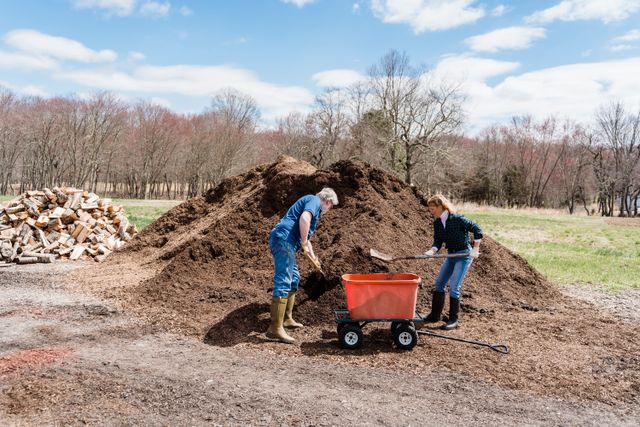
Buying mulch in bulk makes the job faster and easier. You order it by the cubic yard. It gets delivered right to your site. No need to buy dozens of plastic bags.
Bulk mulch is great for big yards and large spaces. It works well for HOAs, parks, and commercial properties too.
Many people search for bulk mulch near me. They want a local supplier. They want fair prices and fast delivery.
But bulk mulch offers more than just ease. It cuts down on plastic waste. It costs less per yard. It keeps your landscape looking the same all over. And it speeds up the work.
Pick the right mulch. Order the right amount. Apply it the right way.
Bulk Mulch vs. Bagged Mulch
Bagged mulch is fine for small jobs. Think one or two flower beds or a container garden. But for bigger spaces, bulk mulch is the better choice.
It comes loose. You buy it by volume. That makes it much easier to cover large areas.
| Factor | Bulk Mulch | Bagged Mulch |
| Best for | Big beds, large yards, commercial spaces | Small beds, quick touch-ups |
| Cost | Lower per cubic yard | Higher per cubic yard |
| Packaging | Little to no plastic | Sold in plastic bags |
| Delivery | Dropped off by truck | You carry bags from the store |
| Look | Same color and texture everywhere | May vary between bags |
| Storage | Needs open space or a tarp | Easy to store in small amounts |
| Labor | Faster for big jobs | More bag handling required |
| Waste | Less plastic waste | More plastic after use |
For large properties, bulk mulch saves time. It cuts down on trips. It reduces handling. And it keeps the whole landscape looking clean and uniform.
Reduces Packaging Waste
Bulk mulch creates much less waste. Bagged mulch comes in plastic bags. After you spread the mulch, the bags are trash. On a big job, that can mean hundreds of empty bags.
Bulk mulch skips most of that. It arrives loose in a dump truck or trailer. No bags. No extra plastic waste.
Bulk mulch is not perfect. Trucks burn fuel. Mulch still needs to be processed. But one bulk delivery is cleaner than buying many bags. It is a smarter choice for large jobs.
Conserves Soil Moisture
Mulch works like a blanket over the soil. It blocks sun and wind. This slows down water loss. Soil stays wet longer after rain or watering.
That is great for plants. Plants with steady moisture handle hot, dry weather better. You may also water less often. That saves time and money.
This matters most around trees, shrubs, and flower beds. These areas can be costly to water. Mulch helps keep the soil moist and even. It also stops soil from cracking and drying out.
Helps Regulate Soil Temperature
Mulch keeps soil at a steady temperature. In summer, it blocks the sun and keeps soil cool. In winter, it acts as a shield for plant roots.
Bare soil heats up fast in summer. It cools down just as fast in winter. Those big swings can hurt plants. Mulch reduces those changes.
This is very helpful for new plants. New plants need time to grow strong roots. Mulch gives them a safer, more stable place to grow.
Suppresses Weeds Naturally
Weeds need light to grow. Mulch blocks that light. This makes it hard for weed seeds to sprout.
Mulch does not stop all weeds. Some may still grow if the layer is too thin. But it cuts down on weeds a lot. That means less time pulling them out.
This helps homeowners spend less time weeding. It also helps business owners keep large beds looking clean with less work.
For best results, pull existing weeds first. Then apply mulch. Mulch works best to stop new weeds. It does not fix beds that are already full of them.
Improves Soil Quality Over Time
Organic mulch breaks down slowly. As it does, it adds good matter to the soil. This helps soil get stronger. It also helps roots find air and water more easily.
This works with wood chips, shredded bark, pine bark, leaf mulch, straw, and compost. It does not work the same way with stone or rubber mulch.
Better soil means stronger plants. Over time, good soil also drains better. It holds less runoff. And it helps roots grow deeper and wider.
This is why organic mulch works so well around trees, shrubs, and garden beds. It protects the top of the soil. And it slowly makes the soil below better too.
Helps Reduce Soil Erosion
Bare soil washes away easily. Heavy rain can strip away the top layer. Wind can blow dry soil out of open beds. This happens on slopes, near drains, along paths, and in new plant areas.
Mulch helps stop that. It softens the impact of rain. It holds soil in place. It also slows water from running off too fast. That gives water more time to soak in.
For businesses, this is about more than plant health. Washed-out soil and mud on sidewalks look bad. They also cost money to fix. Good mulch keeps beds clean and stable.
Offers Long-Term Cost Savings
Bulk mulch costs less per yard than bagged mulch. The exact savings depend on the supplier, delivery, and mulch type. But for medium and large jobs, bulk is almost always the better deal.
There are other savings too. Mulch cuts down on watering. It reduces weeds. It stops erosion. It lowers plant stress. All of that means less work and fewer plant replacements.
For businesses, the time savings matter just as much. Workers can spread bulk mulch fast. They don’t have to open and toss hundreds of bags. That speeds up the job and keeps the site cleaner.
Bulk mulch works well for:
- Apartment complexes
- Office parks
- Retail centers
- Schools
- Churches
- Parks
- Municipal properties
- Homeowner associations
- Large residential gardens
- Hotels and resorts
- Healthcare campuses
For these sites, buying in bulk makes yearly upkeep much simpler.
Creates a Consistent Appearance
Mulch makes a yard look clean and neat. It outlines planting beds. It draws attention to trees and shrubs. It makes any outdoor space look well cared for.
For businesses, looks matter. Your landscape is the first thing people see. Fresh mulch makes a property look clean and put together. That leaves a good impression on customers and visitors.
Bulk mulch also keeps things looking the same across large areas. One mulch type across all beds ties the whole space together. Bagged mulch can vary in color or texture from bag to bag. Bulk mulch stays more consistent.
Choosing the Right Type of Bulk Mulch
Not all mulch is the same. The best choice depends on your plants, your yard, and your budget.
| Mulch Type | Best Use | Notes |
| Hardwood mulch | Beds, trees, shrubs | Breaks down and feeds soil |
| Shredded bark | Beds and slopes | Stays in place well |
| Pine bark mulch | Shrubs and ornamental beds | Breaks down slowly |
| Wood chips | Trees and large beds | Great for moisture and soil |
| Compost mulch | Veggie gardens | Adds nutrients fast |
| Leaf mulch | Garden beds | Improves soil as it breaks down |
| Straw | Veggie and seasonal beds | Light and holds moisture |
| Cedar mulch | Beds and paths | Lasts long and smells nice |
| Stone mulch | Paths and dry areas | Lasts long but won’t feed soil |
| Rubber mulch | Some play areas | Does not help soil or plants |
Organic mulch is usually the best pick. It breaks down and helps the soil grow stronger. Stone and rubber mulch last longer but don’t feed the soil.
How Much Bulk Mulch Do You Need?
Bulk mulch is sold by the cubic yard. Order too little and the job stalls. Order too much and you have a leftover pile to deal with.
Use this simple formula:
Area (sq. ft.) × depth (inches) ÷ 324 = cubic yards needed
For example: 500 sq. ft. × 3 inches ÷ 324 = 4.63 cubic yards
In that case, order 5 cubic yards to be safe.
| Area | 2-Inch Depth | 3-Inch Depth | 4-Inch Depth |
| 100 sq. ft. | 0.62 cu. yd. | 0.93 cu. yd. | 1.23 cu. yd. |
| 250 sq. ft. | 1.54 cu. yd. | 2.31 cu. yd. | 3.09 cu. yd. |
| 500 sq. ft. | 3.09 cu. yd. | 4.63 cu. yd. | 6.17 cu. yd. |
| 1,000 sq. ft. | 6.17 cu. yd. | 9.26 cu. yd. | 12.35 cu. yd. |
Most beds need 2 to 4 inches of mulch. Fine mulch can pack down, so don’t pile it too thick. Coarse mulch can go a bit deeper.
How to Apply Mulch Correctly
Too little mulch won’t stop weeds or hold moisture. Too much can block air and hurt plants. Apply it with care.
Follow these steps:
- Pull out all weeds from the bed first.
- Water dry soil before you start.
- Spread mulch in an even layer.
- Keep mulch away from plant stems and tree trunks.
- Apply 2 to 4 inches of organic mulch.
- Leave the base of trees visible.
- Top off mulch as it breaks down. Don’t just pile more on top.
- Break up old, packed-down mulch before adding new mulch.
Around trees, spread mulch wide and flat. Keep it away from the trunk. Mulch piled against bark traps moisture. That can cause rot and bring in pests.
Mistakes to Avoid With Bulk Mulch
| Mistake | Why It Matters |
| Applying too much mulch | Blocks air and traps too much water |
| Piling mulch on tree trunks | Damages bark and invites disease |
| Ignoring old mulch | Causes packing and poor drainage |
| Using low-quality recycled mulch | May contain harmful debris |
| Spreading sour mulch | Can burn or kill plants |
| Ordering without measuring | Leads to waste or shortage |
| Picking mulch only by color | Quality and plant fit matter more |
| Mulching over live weeds | Weeds will still grow through |
Watch out for sour mulch. It smells like vinegar, ammonia, or rotten material. That means it sat wet and packed with no air. Don’t spread it near plants. Let it air out first and check it before use.
What to Ask Before Ordering Bulk Mulch
Don’t just look for the lowest price. Quality and service matter too.
Ask these questions before you order:
- What type of mulch is it?
- Is it natural, dyed, aged, fresh, or screened?
- What is it made from?
- Is it free from treated wood and debris?
- Is it safe for pets, kids, and veggie gardens?
- How many cubic yards will I get?
- Is there a minimum order size?
- Is delivery included in the price?
- Where can the truck drop the mulch?
- Can I pick a delivery date?
- How long can the pile sit before I spread it?
- Can the supplier help me estimate how much I need?
For businesses, also ask if the supplier can handle big repeat orders and match the same mulch across multiple jobs.
Residential Benefits of Bulk Mulch
Bulk mulch helps homeowners in many ways. It is great for large beds, new garden areas, and tree rings.
It cuts down on watering. It stops weeds. It protects plants through hot and cold seasons. And it makes your yard look clean and neat.
Bulk mulch works well for:
- Large front yards
- Backyard garden beds
- Tree and shrub areas
- Foundation plantings
- Raised beds
- Pathway edges
- Slopes
- Newly planted areas
Measure your space before you order. Pick a drop spot that won’t block your driveway, drain, or walkway.
Commercial Benefits of Bulk Mulch
Large properties need steady, reliable landscape care. Bulk mulch makes that easier.
Key benefits for property managers:
- Lower cost on big orders
- Faster to install
- Same look across all beds
- No plastic bags to deal with
- Easier to plan yearly upkeep
- Better erosion control
- Fewer weeds
- Better curb appeal
Bulk mulch is ideal for office parks, retail centers, schools, apartment complexes, parks, and hotels. These sites have many beds, tree areas, and slopes that need regular care.
Is Bulk Mulch Always the Best Choice?
Not always. For small jobs, bagged mulch may be easier. If you only need to fix one small bed, a full bulk order may not make sense.
Bulk mulch also needs space. The truck needs clear access. The pile needs a safe drop zone.
Bulk mulch is usually best when:
- The job is medium to large
- Several beds need to be covered
- A clean, uniform look is needed
- Truck access is available
- You plan to spread it soon after delivery
- You want to cut down on plastic waste
Bagged mulch may be better when:
- The job is very small
- Storage space is tight
- Truck access is hard
- You only need a few bags
- The mulch needs to go through tight spaces
FAQs About Buying Bulk Mulch
How many cubic yards do I need? Use this: Square feet × depth in inches ÷ 324. For 500 sq. ft. at 3 inches deep, you need about 4.63 cubic yards.
Is bulk mulch cheaper than bagged? Yes, for most medium and large jobs. Final cost depends on mulch type, delivery fees, and local prices.
How deep should mulch be? Aim for 2 to 4 inches. Fine mulch should go on thinner. Coarse mulch can go a bit deeper.
Can too much mulch hurt plants? Yes. Too much traps water and blocks air. Never pile mulch against tree trunks or plant stems.
Is dyed mulch safe? It can be, if it comes from a good source. The main risk is poor source material, not the dye itself. Avoid mulch with treated wood or debris.
Is bulk mulch good for businesses? Yes. It covers large areas fast, looks consistent, and cuts down on plastic waste.
Where should bulk mulch be delivered? A driveway, parking area, or open staging space works best. Keep the drop zone close to the work area.
How long can bulk mulch sit before spreading? Spread it as soon as you can. If it must sit, keep it in a ventilated spot. Don’t let it get too wet or packed down.
Should I remove old mulch before adding new? Not always. If it is loose and thin, leave it. If it is packed down, matted, or moldy, loosen or remove some before adding more.
Final Thoughts
Bulk mulch is a smart choice for homes and businesses. It cuts waste, holds moisture, stops weeds, and protects plant roots. It also makes any space look clean and well kept.
Pick the right mulch type. Measure your space. Apply it the right way. Organic mulch is the top pick because it protects soil and feeds it over time.
For small touch-ups, bags work fine. But for large yards, business properties, schools, and parks, bulk mulch is faster, cheaper, and better for the environment.
Start with good measurements. Find a local supplier you trust. Plan your delivery and install. When you do it right, mulch is more than just decoration. It helps your plants grow, your soil improve, and your landscape last.