

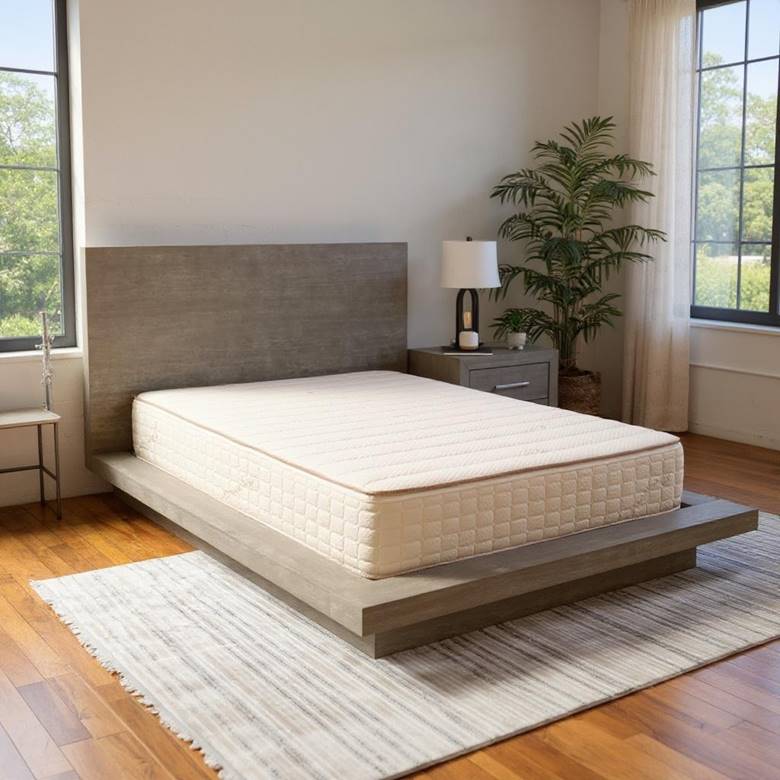

Quick Answer: Are Latex Mattresses Healthier?
Natural latex beds can be a healthier pick for many people.
They use fewer man-made parts than many foam beds. They can have less smell when they are tested and certified. They also sleep cooler than dense memory foam. A good latex bed can last for many years.
The best choices use natural or organic latex. They also use organic cotton, wool, and low-odor parts.
Still, not every “green” bed is truly green. Check the full list of materials. Look at the fire barrier. Check the glue. Also check if the label covers the whole bed or only one layer.
What to Know Before Buying
- Natural latex comes from rubber tree sap. This makes it a renewable bed material.
- Certified latex beds can help reduce contact with strong foam odors, harsh glue, fiberglass, and some chemical fire barriers.
- Latex often sleeps cooler than memory foam. Air moves through it more easily.
- A high-quality latex bed can last longer than many basic foam beds.
- Labels like GOLS, GOTS, GREENGUARD Gold, and OEKO-TEX Standard 100 help prove material claims.
- People with a known latex allergy should avoid latex beds. They should also ask a doctor before buying one.
Why More Shoppers Choose Eco-Friendly Latex Mattresses
People now care more about what they bring into the bedroom. A mattress is a big buy. It is not something most people replace each year. Many people sleep on the same bed for years.
Many standard beds use foam, man-made fabric, glue, and oil-based parts. Some new beds also smell strong after you open the box. That smell can come from off-gassing. This means the bed gives off VOCs into the air. VOCs are gases from some solids and liquids.
The EPA says VOC levels are often higher indoors than outdoors. This makes bedroom air quality important. Natural latex beds are popular for clear reasons. They offer strong support. They allow better airflow. They also have a cleaner material profile than many foam beds.
They also fit buyers who want less plastic, less odor, and a more earth-friendly bed.
What Makes a Mattress Eco-Friendly?
An eco-friendly mattress should use safer and more natural parts.
Common materials include:
- Natural latex
- Organic cotton
- Organic wool
- Steel coils
- Low-odor glue
- Wool or other fire barriers without fiberglass
Natural latex comes from rubber tree sap. Workers can tap the tree without cutting it down. The same tree can give sap for many years.
This gives latex a clear green benefit over many synthetic foams. Most synthetic foams come from oil-based materials.
But one natural layer does not make the whole bed eco-friendly.
Look at the full build. Check the latex, cover, fire barrier, glue, stitching, packaging, and disposal options.
This matters because words like “green,” “natural,” and “eco-friendly” are often vague. Brands should back up those claims with proof.
The FTC Green Guides help brands avoid false or loose green claims. Clear proof is better than broad claims.
Natural Latex vs. Memory Foam: Key Differences
| Feature | Natural Latex Mattress | Memory Foam Mattress | Why It Matters |
| Main material | Rubber tree latex | Polyurethane foam | Latex is more renewable. Memory foam is oil-based. |
| Feel | Springy and easy to move on | Slow-sinking and soft | Latex is easier to turn on. |
| Cooling | Strong airflow | Can trap heat | Good for hot sleepers. |
| Smell | Often lower when certified | Often stronger after unpacking | Important for people who dislike odor. |
| Lifespan | Often long | Varies a lot | A longer life can mean less waste. |
| Eco profile | Strong when certified | Weaker unless tested for low emissions | Proof matters. |
Memory foam is not always unsafe. Some foam beds are tested for low emissions.
CertiPUR-US, for example, checks flexible foam for VOC limits and some banned substances. But it does not mean a bed is organic, natural, or fully green.
Latex is different because it can come from a natural, renewable source.
The best latex beds use certified latex, organic cotton, wool, and tested low-odor parts.
Reduced Exposure to Chemicals and Off-Gassing
Many people choose latex to avoid a strong foam smell. This smell is common in some boxed foam beds. It often comes from off-gassing. Off-gassing means the bed gives off gases into the air.
This can happen with synthetic foam, glue, and chemical treatments. A certified natural latex mattress often has fewer man-made parts than memory foam. It can also lower contact with high-VOC parts, fiberglass, and chemical fire barriers.
But certification is the key.
A brand should show real proof. It should not only say “non-toxic” or “natural.”
Look for clear claims such as:
- low-emission materials
- certified organic latex
- certified organic cotton
- no fiberglass
- no added chemical flame retardants
- third-party VOC testing
Avoid brands that make vague claims. They should show what was tested. They should also show who tested it.
Naturally Breathable and Cooler for Sleep
Many sleepers complain about heat at night. Dense memory foam can trap body heat. It hugs the body and slows airflow.
Latex feels more open and springy. Many latex beds also have small air holes. These holes help air move through the bed.
This can reduce heat and moisture buildup. The cover also matters. Organic cotton helps air move. Wool helps manage heat and moisture.
Together, latex, cotton, and wool can feel cooler than many all-foam beds. Latex also feels different from memory foam. It does not sink slowly around the body. It pushes back in a gentle way.
This makes it easier to turn at night. That helps people who sleep in more than one position.
Strong Support and Pressure Relief
Comfort still matters most. A mattress can be natural and certified. But it still must support your body well.
Natural latex works well because it shapes to the body without deep sink. It supports the spine. It also cushions sore spots like shoulders and hips.
Latex responds fast when you move. This balance works for many sleep styles. It can suit side sleepers, back sleepers, and people who change positions.
Some latex beds also let you choose firmness. This helps couples. One side can feel softer for a side sleeper. The other side can feel firmer for a back or stomach sleeper.
Dunlop vs. Talalay Latex: What’s the Difference?
Latex beds often use Dunlop latex, Talalay latex, or both.
Dunlop latex feels denser and firmer. Brands often use it in the support core. It gives the bed strong shape and long life.
Talalay latex feels lighter and springier. Brands often use it in the top comfort layer. It gives the bed a softer, bouncy feel.
One type is not always better than the other. The best choice depends on sleep style, body weight, budget, and feel.
Certification matters more than the name alone.
Check whether the mattress uses:
- 100% natural latex
- certified organic latex
- synthetic latex
- blended latex
- a thin latex layer over cheap foam
That last point matters.
Some beds claim “latex comfort.” But they only use a thin latex layer. The rest of the bed may be mostly polyurethane foam.
Allergy Benefits — and a Latex Allergy Warning
Natural latex can help keep a bed cleaner.
It resists dust mites, mold, and mildew better than many common bed materials. This can help create a fresher sleep space.
It works best with a washable cotton cover. Wool can also help control moisture.
But latex is not safe for every person.
A latex allergy is a real health issue. It comes from proteins in natural rubber latex. People who are sensitive can have a bad reaction.
If you have a known latex allergy, avoid latex beds. You can also ask a doctor before you buy.
Even when cotton or wool covers the latex, a latex-free bed is often the safer choice.
Long Lifespan and Less Waste
Latex is known for long life.
Good natural latex is strong and springy. It can resist sagging better than many cheap foam beds.
Some latex beds last 10 to 15 years with good care. Some can last even longer.
How long it lasts depends on several things. These include latex quality, bed build, body weight, bed base, and how often you rotate it.
A longer life can also mean less waste.
A cheap bed that sags fast creates more trash. It also forces you to buy again sooner.
A latex bed often costs more at first. But it can save waste over time.
Still, not every latex bed lasts for decades. A thin latex layer over cheap foam will not act like a full latex bed.
Certifications Matter: What to Look For
Certifications help you spot real proof.
They also help you avoid green marketing with no backing.
Here are the main labels to check.
GOLS: Best for Organic Latex
GOLS means Global Organic Latex Standard.
Look for GOLS when a bed claims to use organic latex. It shows the latex comes from organic natural rubber.
GOTS: Best for Organic Cotton and Wool
GOTS means Global Organic Textile Standard.
Look for GOTS when a bed claims to use organic cotton or wool. It checks organic fibers and how they are made.
GREENGUARD Gold: Best for Low Emissions
GREENGUARD checks chemical emissions.
GREENGUARD Gold is useful if you care about indoor air. It means the product was tested for low emissions.
OEKO-TEX Standard 100: Best for Textile Safety
OEKO-TEX Standard 100 checks fabrics for harmful substances.
It can apply to covers, yarn, thread, and other fabric parts.
CertiPUR-US: Useful, But Not for Organic Latex
CertiPUR-US applies to flexible foam.
It can help when a bed contains polyurethane foam. It checks for lower VOCs and some restricted substances.
But it does not mean a bed is organic. It also does not mean the bed is natural, latex-based, or fully eco-friendly.
Flame Barriers: Check for Wool, Fiberglass, or Chemicals
Beds must meet fire safety rules.
The key question is how the bed meets those rules.
Many natural bed brands use wool as the fire barrier. Wool can help meet fire rules without fiberglass or some chemical flame retardants.
Other beds use rayon, silica, fiberglass, or chemical treatments.
Fiberglass is a concern for many shoppers. In some beds, it can leak from the cover. It can also be very hard to clean.
Before you buy, ask the brand:
- Does this bed contain fiberglass?
- What is the fire barrier made from?
- Does the bed use wool as the fire barrier?
- Are chemical flame retardants added?
- Can I remove the cover safely?
- Is the full bed certified, or only one part?
If a brand will not answer clearly, choose another one.
How to Avoid Greenwashing
A bed label can sound good without proving much.
Be careful with vague claims such as:
- eco-friendly
- green
- non-toxic
- chemical-free
- natural comfort
- clean sleep
- sustainable foam
Better brands explain what is inside the bed. They also give proof you can check.
A good product page should show:
- full material list
- latex type and amount
- certification names
- what each certification covers
- fire barrier material
- glue details
- country of manufacture
- trial and return terms
- warranty details
The main question is simple.
Does the proof match the claim?
If a bed says “organic,” check what is organic. Is it the whole bed? Is it only the latex? Is it only the cotton? Or is it just one thin layer?
Eco-Friendly Latex Mattress Buying Checklist
Before you buy, check these points:
- Is the latex natural, organic, synthetic, or blended?
- Is the latex GOLS certified?
- Are the cotton and wool GOTS certified?
- Does it have GREENGUARD Gold or another low-emission label?
- Does it contain fiberglass?
- What fire barrier does it use?
- Are chemical flame retardants added?
- Is it full latex, latex hybrid, or latex over foam?
- Does the firmness match your sleep style?
- Can couples choose split firmness?
- Does the brand offer a real sleep trial?
- What is the return policy?
- Is there a take-back, recycle, or donation option?
- Does the warranty clearly cover sagging?
This checklist helps you avoid a fake green bed. It also helps you avoid paying more for a bed that only looks natural.
Are Latex Mattresses Worth the Higher Price?
Natural latex beds often cost more than basic foam beds.
The higher price comes from rubber tree latex, organic fabrics, supply checks, and better build quality.
The value comes from comfort, cooler sleep, long life, and clear materials.
A cheap foam bed can seem like a deal at first. But the value drops if it sags fast or sleeps hot.
For many buyers, latex works best as a long-term buy.
It is a good fit for people who want:
- a cooler bed
- a springy feel
- fewer man-made materials
- better durability
- clear proof and labels
- less frequent replacement
Who Should Consider a Natural Latex Mattress?
A natural latex bed can be a good choice for:
- hot sleepers
- people who change sleep positions
- couples with different firmness needs
- people who dislike strong bed smells
- eco-minded buyers
- buyers who want a longer-lasting bed
- people who like a bouncy feel, not a deep foam hug
Latex is not right for everyone.
Avoid it or think twice if:
- you have a latex allergy
- you want a slow-sinking memory foam feel
- you need the cheapest bed possible
- you dislike a springy surface
- the bed is too heavy for your setup
Final Thoughts
Eco-friendly latex beds are popular for good reasons.
They offer strong support, better airflow, long life, and cleaner materials than many foam beds.
The best latex beds do not just say “natural.” They prove it with clear labels, full material lists, safer fire barriers, and low-emission tests.
For shoppers who want a cleaner sleep space, certified latex is a strong choice.
Still, the details matter. Check the latex type, labels, fire barrier, glue, allergy risk, and full bed build.
Readers who want more detail can review this guide to the health benefits of latex mattresses.