

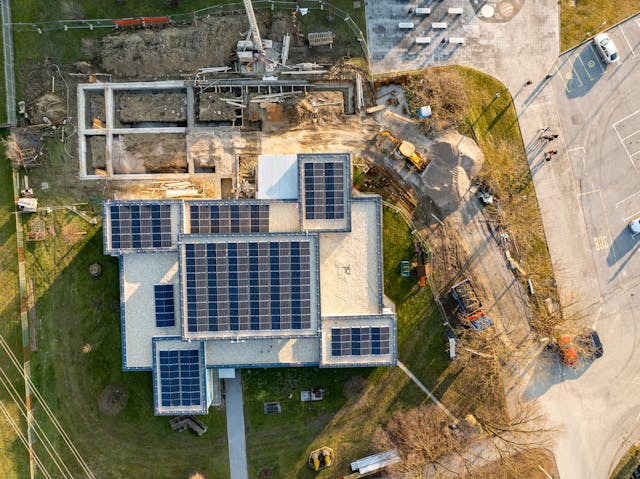

Sustainability has become a central focus across industries, and the construction sector is no exception. As the demand for environmentally responsible practices grows, so too does the need for stronger, longer-lasting structures that minimize waste and reduce environmental impact. Building for the future is no longer just about durability—it’s about creating systems that support both human needs and ecological balance.
The Shift Toward Sustainable Construction
Traditional construction methods often prioritize speed and cost over longevity and environmental impact. However, this approach can lead to frequent repairs, material waste, and higher carbon emissions over time. Sustainable construction challenges this model by emphasizing efficiency, durability, and resource-conscious design.
Modern builders are now integrating renewable materials, improving insulation, and designing structures that can withstand environmental stressors. By doing so, they reduce the need for frequent replacements and repairs, which ultimately conserves resources and lowers long-term costs.
The Importance of Structural Integrity
At the heart of sustainable construction lies structural integrity. A building that stands the test of time requires fewer materials over its lifespan, making it inherently more sustainable. Ensuring that structures are properly reinforced is a critical part of this process.
Small yet essential components often play a significant role in maintaining stability. For instance, elements like metal wall plate straps help secure key structural connections, preventing movement and reducing the risk of damage caused by external forces such as wind or shifting foundations. These reinforcements may seem minor, but they contribute significantly to the overall strength and longevity of a building.
Reducing Waste Through Smarter Design
One of the most effective ways to promote sustainability in construction is by reducing material waste. This begins at the design stage, where careful planning can ensure that resources are used efficiently.
Prefabrication, modular construction, and precise measurements help minimize offcuts and excess materials. Additionally, designing with durability in mind means fewer replacements over time, further reducing waste. Builders are also increasingly choosing materials that can be recycled or repurposed, ensuring that even at the end of a structure’s life cycle, its components can continue to provide value.
Energy Efficiency and Environmental Impact
Strong structures are not only physically durable but also energy-efficient. Properly constructed buildings with reinforced frameworks allow for better insulation and airtightness, which significantly reduces energy consumption.
This leads to lower heating and cooling requirements, decreasing the building’s overall carbon footprint. Over time, these energy savings contribute to both environmental preservation and financial benefits for property owners. Sustainable construction, therefore, creates a win-win scenario where both the planet and the occupants benefit.
Adapting to Changing Conditions
Climate change has introduced new challenges for the construction industry. Buildings must now be designed to withstand more extreme weather conditions, from heavy rainfall to high winds and temperature fluctuations.
Strengthening structural elements ensures that buildings remain safe and functional despite these challenges. Reinforcements, secure connections, and high-quality materials all play a role in preparing structures for an uncertain future. By anticipating these conditions during the construction phase, developers can avoid costly repairs and reduce the environmental impact of rebuilding.
A Long-Term Vision for Sustainability
Sustainability in construction is not a short-term trend—it is a long-term commitment to building responsibly. Every decision, from material selection to structural reinforcement, contributes to the overall impact of a project.
By focusing on strength, durability, and efficiency, the industry can move toward a future where buildings are not only resilient but also environmentally conscious. Thoughtful construction practices ensure that structures serve their purpose for generations, reducing the need for constant redevelopment and preserving valuable resources.
In the end, strengthening structures is about more than just physical stability. It is about creating a built environment that supports sustainable living, adapts to future challenges, and respects the planet we all share.