

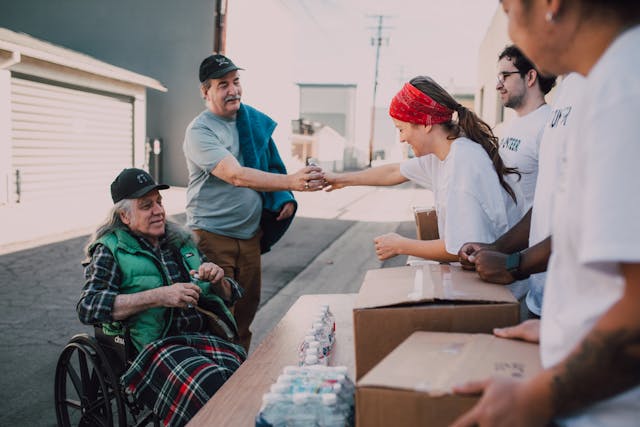

Public health education shapes professionals who solve real problems that affect communities every day. Students do not just study theories; they learn how to act, respond, and improve lives through practical knowledge. Classrooms often mirror real-world scenarios, which helps learners connect concepts with action. Programs emphasize prevention, communication, and data-driven decisions, which prepare graduates to step into complex environments with confidence. This field continues to grow because societies face new health challenges that demand informed solutions. Strong training ensures that graduates leave with both technical skills and a clear sense of responsibility toward the people they serve.
1. Building a Strong Foundation in Health Sciences
Public health programs begin with a solid understanding of biology, epidemiology, and environmental health. Students explore how diseases spread, how systems function, and how interventions work in real communities. These foundational subjects create a base that supports advanced learning later in the program. Instructors often connect theory with case studies, which keeps lessons practical and relevant. Learners also develop analytical thinking, which helps them interpret patterns and identify risks. This early structure ensures that students do not feel lost when they face complex public health issues in real settings. A strong foundation always supports confident decision-making.
2. Expanding Opportunities Through Flexible Learning
Modern education has opened new paths for students who want flexibility without sacrificing quality. Many learners choose online options because they allow better time management and accessibility. Programs such as an industrial hygiene degree online provide students with the tools to understand workplace health risks and environmental safety while studying remotely. This approach allows students to balance education with work or personal responsibilities. Institutions design these courses with real-world applications in mind, so students still gain hands-on insights. Flexible learning continues to remove barriers and ensures that more individuals can enter the public health field with strong preparation.
3. Developing Real-World Problem-Solving Skills
Public health education trains students to think critically and act quickly in unpredictable situations. Courses often include simulations, group projects, and scenario-based learning that mirror real-life challenges. Students learn how to assess risks, design interventions, and evaluate outcomes. This approach builds confidence and sharpens decision-making skills. Instead of memorizing information, learners apply knowledge to solve actual problems. Faculty members encourage discussion and collaboration, which strengthens understanding. These experiences prepare graduates to handle emergencies, manage programs, and respond to evolving health concerns. Strong problem-solving skills remain one of the most valuable outcomes of public health education.
4. Strengthening Communication and Community Engagement
Effective communication plays a central role in public health work. Students learn how to present information clearly, whether they speak to policymakers, communities, or healthcare teams. Courses often include public speaking, writing, and media training to build confidence and clarity. Students also explore cultural awareness, which helps them connect with diverse populations. Engagement activities teach learners how to listen actively and respond respectfully. These skills ensure that messages reach people in meaningful ways. Public health professionals rely on trust, and strong communication helps build that trust. Clear messaging often determines the success of health programs.
5. Learning Data Analysis and Evidence-Based Practice
Data drives public health decisions, and education programs reflect that reality. Students learn how to collect, analyze, and interpret data to guide interventions. Courses in statistics and research methods help learners understand trends and measure outcomes. This knowledge allows students to base decisions on evidence rather than assumptions. Faculty members often introduce real datasets, which makes learning practical and engaging. Students gain confidence in using tools and software that support analysis. Evidence-based practice ensures that actions lead to measurable improvements. Graduates leave with the ability to turn information into strategies that address real health concerns.
6. Gaining Field Experience and Practical Exposure
Hands-on experience plays a crucial role in preparing students for public health careers. Many programs include internships, fieldwork, or community projects that expose students to real environments. These experiences allow learners to apply classroom knowledge in meaningful ways. Students interact with professionals, observe workflows, and contribute to ongoing initiatives. This exposure builds confidence and clarifies career goals. It also helps students understand the challenges they may face after graduation. Practical learning bridges the gap between theory and action, which makes the transition into the workforce smoother. Experience often shapes stronger, more capable professionals.
7. Understanding Policy and Health Systems
Public health professionals must understand how policies shape health outcomes. Education programs introduce students to healthcare systems, regulations, and policy-making processes. Students analyze how laws affect access, equity, and quality of care. This knowledge allows them to advocate for effective changes and improvements. Courses often include case studies that highlight successes and failures in public health policy. Students learn how to evaluate policies and suggest practical solutions. Understanding systems ensures that graduates can work within structures while also pushing for progress. Policy knowledge strengthens the ability to create lasting, large-scale impact.
8. Encouraging Leadership and Team Collaboration
Public health work rarely happens in isolation, so education emphasizes teamwork and leadership. Students participate in group projects that require coordination, planning, and shared responsibility. These activities teach how to manage tasks, resolve conflicts, and support team members. Leadership training helps students take initiative and guide efforts toward clear goals. Faculty members often encourage students to step into leadership roles during assignments. These experiences prepare graduates to lead programs, manage teams, and collaborate across sectors. Strong leadership ensures that ideas turn into action, while teamwork ensures that those actions succeed in complex environments.
Public health education equips students with the tools, knowledge, and mindset needed to create real-world impact. It blends theory with practice, which ensures that learning stays relevant and actionable. Students develop strong analytical, communication, and leadership skills that support their professional growth. They also gain a deep understanding of systems, policies, and communities, which helps them make informed decisions. This preparation allows graduates to step into complex roles with confidence and purpose. As global health challenges continue to evolve, well-trained professionals will remain essential in building healthier, safer, and more resilient communities.