


Image Source: Pixabay
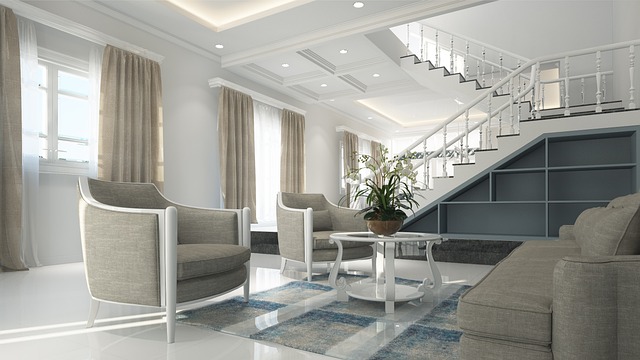
Interactive interior walkthroughs are like being inside a designed space – you can explore it in real time using 3D visualisation, virtual reality (VR) or augmented reality (AR). Unlike boring static pictures, these immersive tests allow clients & designers to wander through rooms, figure out whether layouts are working, test out different materials & identify snags before a single brick is laid.
A Sea Change In How Interior Design Is Shown & Approved
Interior design visualisation has moved on from static images a long time ago. Today, clients, builders & stakeholders are starting to expect that they get to step inside spaces before any building work begins. These interactive interior walkthroughs – powered by virtual reality (VR), augmented reality (AR) and real-time rendering – are turning design concepts into something that can be tried out, tested & approved in a whole new way.
This change mirrors bigger movements across the architecture, real estate & construction industries. As projects get increasingly complicated & we all get more used to working remotely, visualisation tools are no longer a nice to have – they’re becoming essential tools for making decisions. It’s all about cutting down on misunderstandings, getting design right on the first go, and keeping project timelines moving smoothly.
From Static Renders to Immersive Design Experiences
For decades, interior visualisation relied on all sorts of 2D images, mood boards & physical samples. While these old methods still have a place when it comes to picking materials & getting across styling ideas, they often ask clients to put 2 & 2 together – it’s all guesswork when it comes to scale, flow & layout.
Interactive walkthroughs cut through all this guesswork by giving you real, navigable spaces to play with. You can wander between rooms, take different views, and get a feel for lighting, textures & furniture placement in real time.
Industry research shows that using immersive visualisation can make a huge difference when it comes to communication between design teams & clients. There’s loads of research that says that getting visualisation tools that link into building information modelling (BIM) workflows can cut down on design disputes & change orders – making sure projects stick to their original timelines & budgets.
Why Interactive Walkthroughs Are Poised to Become Industry Standard
Better Understanding of Space
Interactive walkthroughs let you see how spaces feel in real life – it’s so much easier to imagine where furniture will go, & whether you’ve got enough space to move around. Clients get to make their own judgments about ceiling heights, circulation paths, & furniture spacing – it’s way more intuitive than just looking at a drawing or picture.
Design teams often use walkthroughs to test things like:
- How people move through spaces
- How accessible & practical different spaces are
- How different lighting effects work at different times of day
- How views & privacy work in different rooms
These kind of evaluations help identify design problems early, so you can fix them before things start getting expensive. Many design studios now use 3d visualization interior service to present projects in a more immersive and detailed format.
Getting People to Care About Your Project
Immersive visualization makes you care about a project because it makes you – literally – live in the space. & its not just real estate, where weve seen that with immersive property visualisation people end up being way more engaged with buying a place because they feel like theyre actually inside it rather than just looking at a picture.
For places like hotels, shops and homes, this emotional side of things can influence not just what your clients say they want, but how happy they actually are when the project is finished.
Why Designers Love Interactive Walkthroughs
Interactive walkthroughs are like a dream come true for people who have to get lots of different groups of people to agree on a design. You can have all the developers, contractors and clients in on the action at the same time and you can all evaluate the same things – like does the room look like its going to be a good fit with all the different bits and bobs, and will it all get built on time.
Using interactive walkthroughs means you can avoid a lot of headaches down the line – like when you find out too late that something cant be built as planned. And they even help teams that are too big to all just have a conversation, like architects, engineers and interior designers on a massive project.
The Role of Virtual Reality in Interior Design Walkthroughs
What it Means to be Fully Immersed
Virtual reality is like putting all the design elements right in your client’s hands – literally – using VR headsets they can walk right through the rooms, pick up materials and just see how its all going to work. This is a real game-changer for projects like big houses, office buildings, hotels and public spaces.
VR is particularly good for:
- People building loads of houses at once
- Companies that want to move into a new office
- Hotels and restaurants – any business that needs to make people feel welcome
- Any project where they really want to make it perfect
With VR people can actually see things working in real life, rather than just imagining them – which makes all the difference.
The Role of Augmented Reality in Interior Design
Bringing Your Designs to Life in the Real World
Augmented reality does the same thing as VR but with one key difference – it lets you see your new design overlaid onto your existing space using just a phone or tablet. This makes it perfect for projects like renovations or just moving the furniture around in your home.
AR is great for:
- People who want to renovate their home or office
- Anyone who needs to figure how to fit all their furniture in
- Anyone who wants to see what a different colour or material would look like in their space
- Anyone who just wants to play around with what could work best
AR is a lot easier to use than VR – you dont need any fancy equipment and you can use it whenever you are already out and about – so you can use it to try out lots of different ideas before the meeting with the client or contractor.
When to Use VR Or AR – And Why
Both VR and AR are good for interior design but they are good for different things.
VR is the one to use when you really want to get across the full picture of what a space will feel like – and usually thats when you are at the concept stage or building something completely new.
AR is better when you are trying to work out how your new design fits in with the old space – like when you are renovating or just trying to figure out how to fit in all the furniture you already have.
How Interactive Walkthroughs Fit Into the Interior Design Workflow – A More Human Approach
Interactive visualizations tend to find their way into the broader design process at various stages – here are the key stages where its integration typically happens
- Concept Development – Getting the Ball Rolling
Designers start off by throwing together an initial layout using CAD or BIM software – it’s all about getting that first rough idea down on paper.
- 3D Modeling and Getting the Details Right
Once the layout’s in place, designers then work on adding in architectural and interior elements with their accurate dimensions and material properties.
- Bringing it to Life with Real-Time Rendering
Before you know it models get transferred over to visualization engines that can simulate lighting, texture and environmental effects in real time – giving you a super realistic view of the space.
- Putting it all Together – The Interactive Walkthrough
At this stage stakeholders get to navigate around the space using a navigation system, user controls and customization options – this is the bit where the magic really happens
- Client Collaboration and the Feedback Loop
Clients get to explore the design, give their thoughts on any changes they think should be made, and (hopefully) sign off on the final design before work actually starts on construction documentation.
This process really helps to bring together the creativity of design and the technical side of things – it’s a game-changer when it comes to getting rid of communication gaps between project teams.
Software and Technology That Supports Interactive Walkthroughs
So what technology is out there that supports interactive interior tours?
- Some fancy real-time rendering engines that can create genuinely immersive simualtions
- Some nifty architectural visualization plugins that can be bolted onto to BIM software
- Cloud-based collaboration platforms where multiple people can log in and have a look at the design on the go
- Some mobile AR tools that allow you to take an interactive design on site and give the client a real-time look around the space
This tech lets design teams present their projects on all sorts of devices – from big desktop computers to VR headsets, tablets, and smartphones.
Costs and ROI for Interactive Walkthroughs – Is it Worth it?
Developing interactive interior walkthroughs can be a bit pricey depending on the scale and complexity of the project – residential ones might need a bit of modeling and rendering effort but commercial ones may require all sorts of simulation and multi-user collaboration options
That being said, the results can be pretty tangible – things like reduced construction modifications, faster approval times, improved marketing and property sales engagement and stronger teamwork between designers.
Developers and designers are increasingly seeing immersive visualization as a way to not only communicate ideas but also reduce risks in a project.
Real-World Examples and Case Studies
Residential Design Planning – Smarter Renos
Homeowners are using walkthroughs to try out different kitchen layouts and lighting options before the renovation even begins. It’s a great way to avoid last-minute changes that end up costing a fortune.
Commercial Retail Optimization
Retailers are also using walkthroughs to get a better understanding of how customers move through their stores and where the all-important product displays are going to go.
Real Estate Marketing – Virtual Tours
Developers are using virtual walkthroughs to show off apartments before they even get built – its a great way to get buyers excited and give them a real feel for the property.
The Challenges and Limitations of Interactive Walkthroughs
Its all very well and good but there are some challenges and limitations to consider.
Hardware and Production Costs – Its Not Cheap
If you want a top-notch VR experience you will need some serious kit and a powerful computer (and possibly a large budget).
Model Optimization – Less is More
The bigger or more detailed the design the more likely you are to need to simplify things to get a smooth experience.
User Accessibility – Some People Just Aren’t Comfortable
Some people just find VR environments pretty uncomfortable or don’t react well to motion. Thats just something to be aware of.
Learning Curve for Design Teams – Its Not Just a Case of Plug and Play
Its worth noting that adopting immersive visualization requires a bit of training and an adjustment in workflow for design teams.
By understanding these limitations you can use visualization in a way that really supports the project – rather than causing more problems.
The Future of Interactive Interior Design Visualisation
New technologies are popping up all the time and expanding our options when it comes to designing immersive presentation experiences.
Artificial Intelligence in Design Generation
AI tools are starting to come on line and can now generate all sorts of design variations, material combinations and even lighting simulations on the fly – which means design iteration can happen a lot quicker.
cloud streamed walkthrough platforms
Thanks to cloud rendering you can now access immersive tours of your space via your web browser, no need for pricey hardware – just your regular computer should do the trick.
Mixed Reality Collaboration
We’re getting to the point where mixed reality environments may well allow architects, designers and clients to review projects together all in the one digital space.
Digital Twin Integration
you’re seeing more and more interactive walkthroughs being linked up to operational data about the building so you can see how it will all perform and be maintained over time.
Why Interactive Walk-throughs are Redefining Design Communication
Interactive interior design walk-throughs are turning this visualization stuff from just a presentation tool into a proper collaborative design tool. when you bring real-time rendering, immersive tech and workflow systems all together in one place you get a platform where stakeholders can actually experience what the building will be like before its even built.
As architecture and interior design projects just keep on getting more and more complicated i think immersive visualisation is going to become an even bigger part of the process of getting a design approved, selling a building, and coordinating between teams.
Design teams that bring all this walkthrough technology into their workflow can look forward to much clearer design communication, less project risk and generally a lot more confidence from clients in the end result.