


Image by Freepik
Off-grid and low-impact living have moved from the fringes into the mainstream conversation about sustainability. What was once associated with remote cabins and survivalist mindsets is now embraced by homeowners, designers, and environmental advocates who want to reduce ecological footprints, gain energy independence, and live more intentionally.
But the reality of off-grid living is often less romantic and more technical than social media suggests. A low-impact lifestyle is not achieved simply by relocating to a rural plot or installing a few solar panels. It depends on carefully planned infrastructure, systems that provide reliable power, water, shelter, and land management while minimizing environmental strain.
The most successful off-grid homes are not improvised. They are thoughtfully designed ecosystems where each component supports resilience, efficiency, and long-term sustainability.
Rethinking Infrastructure for Low-Impact Living
Conventional homes rely on centralized infrastructure: grid electricity, municipal water, sewage systems, and large-scale supply chains. Off-grid and low-impact homes must replicate or rethink many of these services on a smaller, localized scale.
This does not necessarily mean sacrificing comfort. Instead, it means being deliberate about consumption, storage, and system design. Infrastructure for low-impact living typically focuses on:
- Renewable energy generation
- Water collection and treatment
- Waste reduction and management
- Efficient heating and cooling
- Durable, low-maintenance materials
Each decision influences the overall environmental footprint. A well-designed system reduces waste, avoids redundancy, and prioritizes longevity.
Energy as the Cornerstone
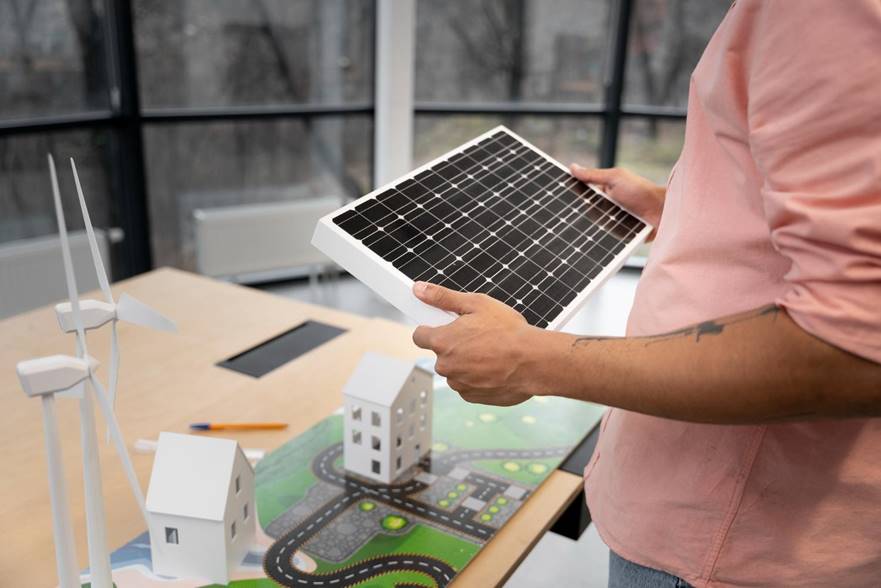
Energy is the backbone of modern living. Lighting, refrigeration, communication, and tools all depend on it. For off-grid households, renewable energy, particularly solar, has become the most practical primary source.
Solar panels are now more affordable and efficient than ever. However, panels alone do not create a functional energy system. Solar generation is variable. It fluctuates with weather, season, and time of day. Without proper management and conversion, even a large array can be unreliable.
A complete off-grid solar setup includes:
- Panels for generation
- Batteries for storage
- Charge controllers for regulation
- Inverters for conversion
Each component plays a distinct role, but inverters are especially critical.
Converting Sunlight Into Usable Power
Solar panels produce direct current (DC) electricity. Most household appliances and electronics run on alternating current (AC). This is where inverters become indispensable.
High-quality off-grid solar inverters are responsible for converting DC power from panels or batteries into stable AC electricity suitable for home use. But their role goes beyond simple conversion. Advanced models also help manage energy flow, protect batteries from over-discharge, and optimize system performance.
In practical terms, the inverter is the bridge between raw solar generation and everyday living. A poorly matched inverter can limit system capacity, reduce efficiency, or even damage equipment. A well-chosen one ensures stable voltage, clean power output, and compatibility with sensitive electronics.
For low-impact households, efficiency losses matter. Every percentage point wasted in conversion translates to more panels, more batteries, and more material use. Selecting reliable components is therefore both an economic and environmental decision.
Water and Waste Systems
Energy may be the headline topic, but water infrastructure is equally vital. Rainwater harvesting systems, filtration units, and well pumps are common in off-grid homes. Greywater reuse can reduce demand, while composting toilets or advanced septic systems minimize environmental contamination.
The goal is to close loops where possible, reusing water, reducing pollution, and aligning with natural cycles. These systems require planning and local regulatory awareness, but when done correctly, they dramatically lower a household’s ecological footprint.
Heating, Cooling, and the Building Itself
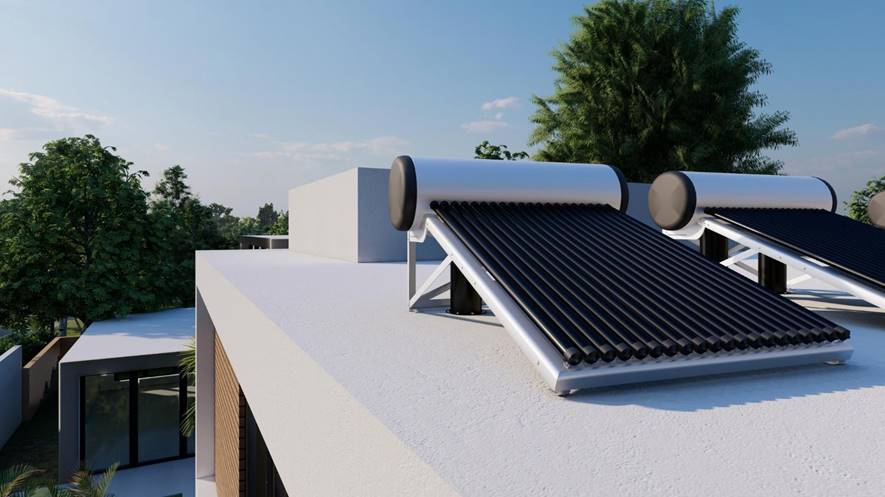
Image by studiaprofi on Freepik
Low-impact living also depends on passive design. Orientation, insulation, and material choice influence how much energy a home needs in the first place.
A well-insulated structure with thoughtful window placement can maintain stable temperatures with minimal mechanical input. Wood stoves, high-efficiency heat pumps, or solar thermal systems can then provide targeted support rather than carrying the entire load.
The less energy a home demands, the smaller and simpler its off-grid system can be.
Land Stewardship as Infrastructure
Off-grid living often goes hand in hand with rural or semi-rural properties. In these contexts, infrastructure extends beyond the house itself. Driveways, drainage, fencing, and vegetation management all affect sustainability and safety.
Responsible land stewardship reduces wildfire risk, prevents erosion, and supports biodiversity. It also ensures that access routes remain usable and that systems like solar arrays are not shaded or obstructed.
Small, practical installations around the property also play a role in daily life. Mailbox posts, storage sheds, garden structures, and even a flag pole for house are commonly found on rural homesteads. While a flagpole may seem symbolic rather than functional, it reflects a broader truth: off-grid homes are still homes. They express identity, pride, and permanence, not just utility.
These familiar residential elements help normalize low-impact living, showing that sustainability does not require rejecting comfort or personal expression.
The Human Factor
Technology alone does not create a successful off-grid lifestyle. Knowledge, routine, and adaptability matter just as much. Off-grid homeowners become more aware of their consumption patterns because they see the limits of their systems firsthand.
This awareness often leads to more mindful living, running heavy loads during sunny periods, conserving water in dry seasons, and maintaining equipment proactively. These habits reduce waste and deepen the connection between lifestyle and environment.
Importantly, off-grid living does not have to mean isolation. Many low-impact households remain connected digitally and socially while simply choosing greater independence in infrastructure.
Building for the Long Term
Low-impact infrastructure should be judged by lifecycle thinking. Durable components, repairability, and upgrade paths are crucial. A cheap system that fails quickly creates more waste than a robust one that lasts decades.
Sustainability is not only about renewable inputs; it is about longevity and responsible resource use over time.
A Practical Vision of Sustainability
Off-grid and low-impact living are not about perfection. They are about direction. Every well-designed system, every watt generated renewably, and every liter of water reused represents progress.
Essential infrastructure makes this lifestyle viable. When energy systems are reliable, water is safe, and the home is comfortable, low-impact living becomes not a sacrifice but a satisfying alternative.
In the end, the most sustainable homes are not those that withdraw from the world, but those that interact with it responsibly, drawing what they need, giving back where they can, and treading lightly enough that future generations can do the same.