

Field service businesses hemorrhage money through inefficient mobile workforce management, not from hiring mistakes or lazy employees, but from supervisory systems designed for cubicles, not service trucks. Dozens of pest control and field service operations adopt the latest pest control scheduling software, implement GPS tracking, and roll out new communication platforms, only to see technician turnover spike and service quality plummet. The technology works fine. The problem? Most managers supervise mobile workers exactly how they’d manage an office team, just with fancier tools.
Managing mobile workers effectively requires unlearning most traditional workforce supervision practices. Your field technicians work in fundamentally different conditions with different constraints, and they need management systems built specifically for their reality, not adapted from office playbooks.
Why Does More Communication Lead to Less Clarity?
Walk into any field service manager’s office, and you’ll hear the same refrain: “We just need better communication.” Then they’ll show you their arsenal—Slack channels, daily check-in calls, text message threads, email chains, and maybe a project management tool for good measure. They’ve got connectivity. What they lack is effective communication.
The Connectivity Trap
The real issue? Field workers operate in a completely different rhythm than office staff. When your technician is crawling under a house to access a termite-damaged beam, stopping to respond to “quick questions” demands a complete mental reset that costs focus, time, and sometimes safety. That real-time responsiveness that works brilliantly in an office becomes an anchor in the field.
Mobile workers need asynchronous communication patterns designed specifically for field conditions. That means establishing clear windows when workers are expected to be reachable (between jobs, during breaks, or at day’s end), and respecting focused work time otherwise. Replace “Can you send me an update?” with end-of-route debriefs that technicians complete once and comprehensively when it makes sense in their workflow.
Reserve real-time communication for genuine emergencies and customer escalations. Use voice messages for anything requiring detail or tone. Keep text messages for logistics that need confirmation. Email anything that can wait until tomorrow. When you match the channel to both the urgency and the worker’s situation, you demonstrate that you understand how field work actually happens.
What Are You Really Tracking—Activity or Results?
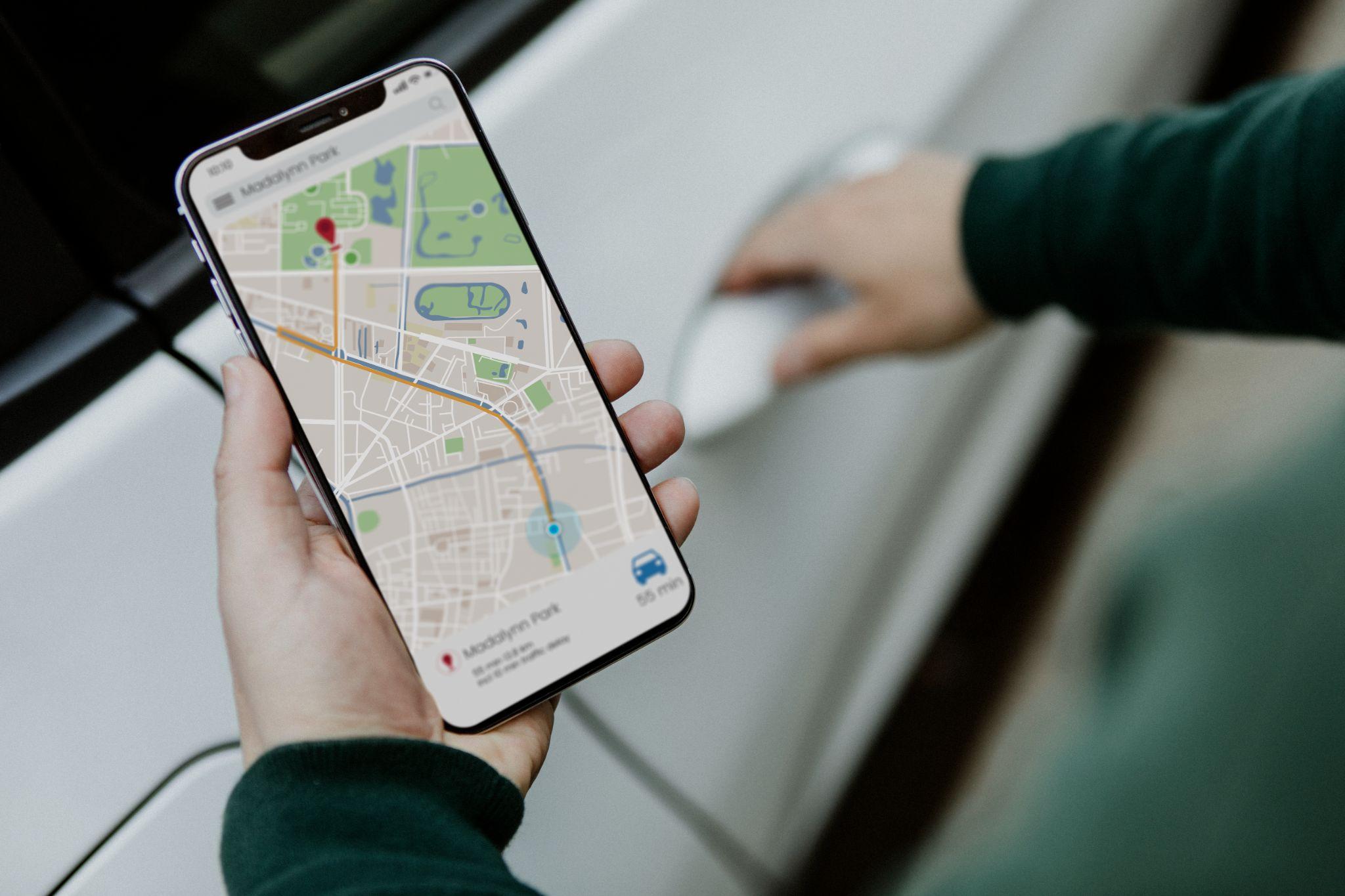
GPS tracking technology has created a strange paradox in field service management. You can now see exactly where every technician is, how long they spent at each location, what route they took, and whether they stopped for coffee. You can know everything about their movements. But that visibility frequently destroys the one thing mobile workers need most: trust.
When Monitoring Backfires
Operations exist where managers pull up GPS logs to question why a technician took seven minutes longer at a job site. The manager thinks they’re ensuring efficiency. The technician feels like Big Brother is watching them. Productivity drops, resentment builds, and your best workers start looking at competitors’ job postings.
The trap here is confusing activity with outcomes. Yes, you can track when someone arrives and leaves a job. But that tells you almost nothing about whether they solved the customer’s problem, identified upselling opportunities, represented your brand professionally, or built the kind of relationship that generates referrals. Those outcomes matter infinitely more than arrival times.
Measuring What Matters
Build accountability through transparency, not surveillance. Make your performance standards clear and objective: customer satisfaction scores, first-time fix rates, job completion times relative to estimated complexity, recurring service conversion rates. Track those outcomes and share them openly. When workers understand what success looks like and can see their own performance data, they hold themselves accountable far more effectively than any GPS log review ever could.
Stop monitoring for compliance and start measuring for excellence. If a technician consistently delivers outstanding customer satisfaction and strong revenue per call, their exact route between jobs becomes irrelevant. Trust your people to manage their own time until results prove otherwise, not the other way around.
Is Your Technology Training Worthless for Field Workers?
Field service teams have developed a healthy skepticism toward new software, and they’ve earned it. They’ve sat through countless rollouts where management’s enthusiasm for the “game-changing new platform” lasted exactly until adoption rates stayed below 30 percent and everyone quietly returned to the old system.
Why Most Software Rollouts Fail
Most failures follow this pattern: leadership selects a field service management software platform, IT sets it up, someone runs a training session, and then management wonders why technicians still keep paper logs or bypass the system entirely. The software works as designed. The implementation completely ignored how field workers actually operate.
Mobile workers don’t have the luxury of attending hour-long training sessions or referencing help documentation when something doesn’t make sense. They’re standing in a customer’s garage trying to log a completed service call as the homeowner asks questions and the next appointment window closes fast. If your new tool requires more than 30 seconds to complete a core task, it will fail.
Starting With Problems, Not Solutions
The adoption sequence that works starts before you even select software. Identify the specific pain points your technicians face daily—the repetitive data entry, the information they can’t access on-site, the customer questions they can’t answer. Then find tools that solve those specific problems first, even if they don’t check every box on leadership’s wishlist.
Implementation means integrating with existing workflows, not replacing them. Your technicians have developed systems that work for them. Maybe corporate standards would call them imperfect, but they’re functional. Show them how the new tool makes their existing methods easier, not why their methods were wrong all along.
Making Adoption Voluntary (At First)
Make adoption voluntary for the first two weeks. Let your early adopters discover the benefits and evangelize organically. When skeptical technicians see their peers finding genuine value, they’ll want in. Force it from day one, and you’ll get compliance at best, sabotage at worst.
Can You Maintain Standards Without Micromanaging?
The central tension in mobile workforce management: field workers need autonomy to do their jobs effectively, but businesses need accountability to maintain quality and profitability. Most managers lean too far toward one extreme, either micromanaging every decision or stepping back so completely that consistency disappears.
Parameters, Not Rules
Effective mobile management requires building decision-making parameters, not decision-making rules. Your technician finds unexpected water damage during a termite treatment. The repair would take 30 minutes and $200 in materials. Can they proceed? Should they call the office? What if the customer seems interested but wants to think about it?
Without clear parameters, every situation becomes a judgment call or a phone call back to the office. That slows everything down and signals that you don’t trust your people to make basic business decisions. But giving technicians blanket authority without guidelines creates inconsistency, confuses customers, and raises liability issues.
Defining Decision Boundaries
Define decision boundaries: “You’re authorized to add services up to $300 if the customer has been with us over a year, the work is directly related to the current service, and you can complete it same-day. Anything beyond that, photograph it, explain the issue, and we’ll follow up with a proposal within 24 hours.” Now your technician can serve customers immediately when appropriate and knows exactly when to escalate.
This kind of structured autonomy does something subtle but powerful: it tells mobile workers that you trust their judgment within defined parameters. You’re not hovering over every decision, but you’re also not leaving them to guess what’s acceptable. That combination builds confidence, speeds up operations, and maintains the consistency your brand needs.
Where Should You Start With Mobile Workforce Changes?
None of this succeeds if you still think of mobile workers as office employees who happen to be outside. They’re professionals operating in dynamic environments with different constraints, different pressures, and different definitions of what “support” looks like. The most successful field service operations all share one characteristic: they designed their management systems specifically for mobile work, not adapted from office management playbooks.
Start with one area from this guidance. Maybe you’ll rebuild your communication protocols to respect field workers’ rhythms. Maybe you’ll move from activity monitoring to outcome measurement. Pick whichever addresses your biggest current friction point, implement it thoroughly, and let your team experience the difference before adding more changes.
Mobile workforce management succeeds when you build systems that help skilled professionals deliver excellent work without unnecessary friction. Get that right, and everything else(retention, productivity, customer satisfaction) follows naturally.