
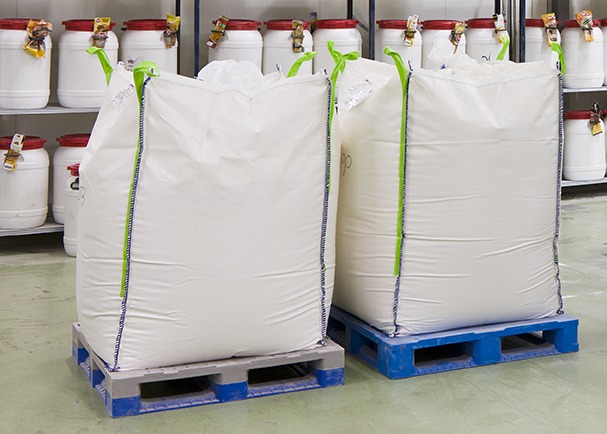

Bulk bags, also called FIBCs, are now a key tool in many industries that move large volumes of material. They were first used to carry heavy items like sand and gravel. Today, they are used in construction, farming, food processing, recycling, and more. They are strong, efficient, and reusable, which makes them a smart choice for modern work sites.
What Are Bulk Bags?
Bulk bags are large woven polypropylene sacks made to hold dry, loose materials. Many can carry up to 2,000 kg or more. They come with lifting loops so you can move them with a forklift or crane. You can also choose different filling and discharge options.
Common types include:
- Standard bulk bags for sand, pellets, and general materials
- Food-grade bags for food and pharmaceutical use
- Ventilated bags for crops that need airflow
- Conductive and anti-static bags for areas with flammable dust or vapors
This range of options makes them suitable for almost any bulk material.
Bulk Bags in the Construction Industry
In construction, bulk bags have replaced many small sacks because they are strong and hold a lot. Builders use them for:
- Sand, gravel, and cement
- Crushed stone and soil
- Recycled building materials
They also make site cleanup easier. Filled bags can be lifted and moved with little manual work, which improves safety. Reusable designs also help reduce waste and support sustainability goals.
Bulk Bags in Agriculture
Farmers use bulk bags to store and move seeds, grains, fertilizers, and animal feed. Their large size cuts down on trips and reduces manual handling. The woven design also keeps materials dry and helps protect them from pests.
Ventilated bags are ideal for potatoes, onions, nuts, and other crops that need airflow to stay fresh. Some suppliers also print labels or branding on the bags to help track products during transport.
Bulk Bags in Food and Chemical Industries
Food, chemical, and pharmaceutical work requires strict hygiene. Food-grade FIBCs are made in clean rooms and meet global safety rules like HACCP and BRC.
In chemical plants, conductive (Type C) or static-safe (Type D) bags help stop static sparks. This lowers the risk of fire or explosions when handling fine powders or volatile materials.
Bulk Bags in Recycling and Waste Management
Recycling centers use bulk bags to sort and carry plastics, metals, paper, and more. Their large size makes it easy to separate and move materials. For hazardous waste, special bags with liners or coated fabric keep dust and harmful particles inside.
Environmental Benefits and Reusability
One major benefit of bulk bags is reuse. Strong FIBCs can be filled and emptied many times, which reduces packaging waste. When a bag reaches the end of its life, the polypropylene can often be recycled and turned into new items.
Bulk bags help the environment by cutting down on single-use packaging. Their long life reduces resource use and landfill waste. Each reuse cycle lowers the carbon footprint linked to making new containers. And when the bag can no longer be used, its material can be processed into items like pallets, containers, or building materials. This supports a circular economy and improves resource efficiency.
A Reliable Choice Across Every Industry
From construction sites to farms, factories, and recycling centers, bulk bags have become essential. They are safe, long-lasting, and cost-effective for moving large amounts of material. As more businesses focus on sustainability and saving money, demand for strong packaging solutions like those from NNZ USA will continue to rise.