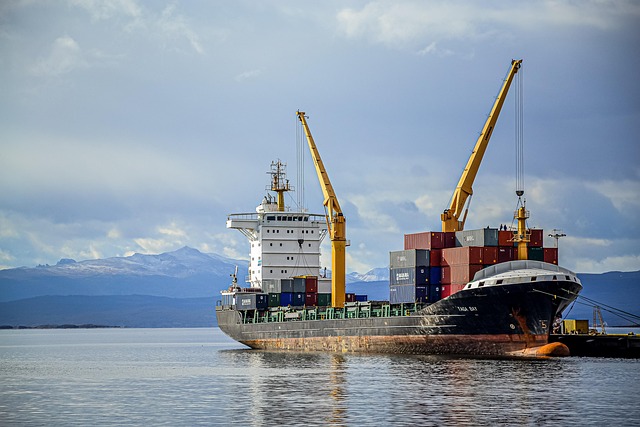

Consolidated freight combines shipments from different businesses into one shared truck or container instead of moving each load on its own. In road transport, that usually means groupage or less-than-truckload, LTL. In sea freight, it usually means less-than-container-load, LCL.
The environmental case is straightforward. When trucks and containers carry fuller loads, fewer trips are needed to move the same amount of cargo. That cuts wasted space, lowers fuel use per shipment, and reduces emissions across the network. The U.S. EPA’s SmartWay program treats freight consolidation and load optimization as practical ways to improve freight performance. The GLEC Framework, now aligned with ISO 14083, has also made it easier for shippers to measure and report logistics emissions in a standard way.
Key Takeaways
• Consolidated freight reduces wasted truck and container space
• Better load factors lower emissions per shipment
• It works well for businesses that ship smaller volumes
• It often lowers transport costs by spreading capacity across multiple shippers
• It matters more now because freight emissions face more scrutiny from regulators, customers, and procurement teams
How Consolidated Freight Lowers Environmental Impact
Better Use of Vehicle and Container Space
A large share of freight waste comes from moving half-empty trucks or underfilled containers. Consolidation fixes part of that problem by grouping separate shipments into one transport unit.
In practice, that often means:
• multiple deliveries sharing one truck through groupage or LTL
• several shippers sharing one ocean container through LCL
• fewer partly filled transport movements across the network
That matters because a truck still burns fuel whether it is full or half full. A container still has to be handled, moved, and loaded through the same chain either way. When more of that space carries saleable goods, the transport burden is spread across more cargo instead of being wasted on empty volume.
Fewer Separate Trips
Consolidation also cuts down the number of low-use journeys. Instead of sending several lightly loaded shipments through separate moves, businesses can place those shipments into shared transport flows that move more goods at once.
That can lead to:
• fewer trucks on the road for the same freight volume
• fewer poorly used container moves in sea freight
• lower total fuel use across the shipping plan
The gain is larger than one shipment. Over time, better grouping improves route density, reduces duplicated transport activity, and makes better use of capacity that already exists.
Why Businesses Use Consolidated Freight
A Practical Way to Cut Freight Waste
Many businesses want lower-emission logistics without rebuilding their whole supply chain. Consolidated freight works because it fits into normal road and sea freight systems. A shipper does not need enough product to fill a full truck or a full container to get better transport use.
That makes it a strong fit for:
• small and medium-sized businesses
• companies with regular but modest shipment volumes
• shippers trying to cut avoidable freight emissions in daily operations
It also holds up well inside a business. Fuller loads, less wasted capacity, and cleaner emissions reporting are easier to defend than vague sustainability claims. That matters more now because emissions data is moving from a side issue to a buying and compliance issue.
Cost Still Matters
The environmental case gets stronger when it also saves money. Consolidated freight often helps businesses avoid paying for space they do not need.
Common benefits include:
• paying only for the space used
• sharing transport costs with other shipments
• avoiding the waste of shipping underfilled loads
That does not make consolidation the best option every time. Urgent freight, fragile cargo, or shipments with tight delivery windows often need direct transport. But for standard freight flows, shared shipping usually gives businesses a better balance of cost control and lower transport waste.
Where Consolidated Freight Works Best
Consolidated freight usually works best when:
• shipment volumes are too small for full truckload or full container bookings
• routes are regular and well served
• weights and dimensions are accurate
• delivery windows allow some flexibility
• the cargo can handle shared handling and normal network timing
That last point matters. Consolidation is not greener by default. The benefit depends on whether it actually improves load use and avoids extra transport activity. If a shipment needs too many detours, repeated handling, or long storage time, the environmental gain shrinks. Good planning makes the difference.
How to Get Better Results from Consolidated Freight
Businesses tend to get stronger environmental and commercial results when they:
• plan shipments early
• give correct weights and dimensions
• avoid last-minute bookings
• allow realistic delivery flexibility
• work with experienced carriers or freight forwarders
These are small details, but they shape the result. One error in pallet count, size, or timing can make a shipment harder to combine well, which weakens both the cost and the emissions benefit.
Why It Matters in International Shipping
Consolidation is common in international sea freight because many shipments are too small to justify dedicated equipment.
Typical examples include:
• road freight groupage for regional and cross-border transport
• LTL services for smaller road shipments
• LCL services for sea freight when a full container is unnecessary
For international shippers, that gives access to better capacity use without the cost of booking full-load transport. In sea freight, this matters even more now because emissions rules are tightening. The EU’s FuelEU Maritime rules started applying in full on January 1, 2025. Those rules increased pressure on shipping companies to track onboard energy use and cut the greenhouse gas intensity of EU-related voyages.
Why Consolidated Freight Matters More Now
Freight sustainability is no longer just a brand issue. It is now tied to reporting rules, customer expectations, and procurement standards.
Two recent changes make that clear.
First, the EU’s FuelEU Maritime regime is now in force. That pushes shipping companies toward cleaner energy use and closer emissions tracking. Any freight model that removes wasted transport space becomes more valuable under that kind of pressure.
Second, the IMO approved net-zero regulations for global shipping in April 2025. Those rules include a fuel standard and a global emissions pricing system for large ocean-going ships. That sends a clear message. Freight decisions are now judged on emissions performance as well as speed and price.
Seen in that context, consolidation is not a minor shipping tactic. It is one practical part of freight decarbonization.
Conclusion
Consolidated freight is better for the environment because it moves more goods with less wasted transport capacity. By combining smaller shipments into shared trucks or containers, businesses cut empty space, reduce unnecessary trips, and lower emissions per shipment across road and sea freight.
It is not a perfect fit for every load. The result depends on route quality, shipment data, timing, and handling needs. But for many businesses, especially those shipping smaller volumes, consolidated freight is one of the clearest ways to reduce transport waste while keeping logistics costs under control.