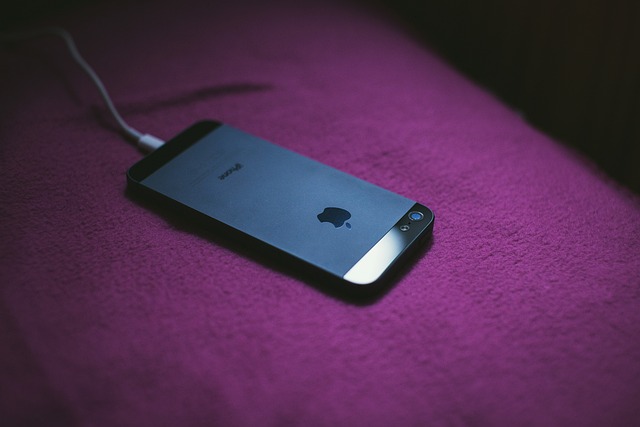

Smartphones now sit at the center of daily life. People use them for messages, maps, payments, tickets, work, entertainment, and security logins. That means they are charged all the time, at home, at work, and while out. The energy story is no longer about one person charging one device. It is about billions of phones, rising electricity demand, and the systems that keep those devices powered.
GSMA reported about 5.84 billion unique mobile subscribers worldwide in Q2 2026. Around the same time, the International Energy Agency said global electricity demand rose 4.3% in 2024 and is expected to keep climbing through 2027. One phone charge uses a small amount of electricity on its own. The bigger issue comes from scale. Billions of devices charging again and again create a larger footprint, especially when chargers sit plugged in, batteries wear down early, and extra accessories pile up as waste.
Why Smartphone Charging Still Matters
It is easy to treat phone charging as too small to matter. For one person, that is mostly true. A smartphone uses far less electricity than heating, cooling, or large home appliances. But that does not make it unimportant.
The real issue is cumulative. Smartphones are used at massive scale, and their footprint reaches beyond the battery itself. It includes charger quality, standby power, battery health, replacement timing, and the growing stack of unused cables and plugs tied to messy charging habits.
That is the better way to frame the issue. The problem is not that every charge is a major environmental event. The problem is that small waste, repeated billions of times, adds up.
The Bigger Waste Problem Is Usually the System
A lot of older advice focused on overcharging. Modern phones changed that. Many devices now manage charging more carefully, slow down near full charge, and use software to limit battery wear. Apple, for example, says Optimized Battery Charging cuts the time an iPhone stays fully charged and can delay charging past 80% in some cases to help protect battery life.
That shifts the real concern. Today, the bigger waste often comes from the wider charging setup, not simply from leaving a phone plugged in too long.
Common problems include:
- idle chargers left plugged into power
- cheap or low-quality charging hardware
- extra chargers and cables that are not really needed
- heat-heavy charging habits that shorten battery life
- public charging areas with little control or oversight
Battery health matters here. A battery that lasts longer helps a phone stay in use longer, and that has more environmental value than saving a tiny amount of electricity in one charging session.
Standardized Charging Matters More Now
One of the clearest recent shifts is the move toward standard charging hardware. The EU’s common charger rules took effect for many devices at the end of 2024, making USB-C the standard connector across a wide range of electronics. The European Commission says unused and discarded chargers create about 11,000 tonnes of e-waste each year in the EU alone. That makes standardization more than a convenience upgrade. It is also a direct waste issue.
The EU also started applying new ecodesign and energy labelling rules for smartphones and slate tablets on 20 June 2025. These rules give buyers more information about energy use, battery endurance, durability, repairability, and battery life over time. For batteries, the rules require at least 800 charge and discharge cycles while keeping at least 80% of original capacity.
That is an important change. It moves the conversation away from charging speed alone and toward longer-lasting devices that waste less over time.
Where Public Charging Starts to Matter
The impact becomes easier to see in shared spaces. Offices, airports, shops, campuses, and event venues all deal with the same problem. A lot of people want power at once, often with little structure.
In those places, scattered sockets and personal chargers create a messy system. You get hardware of uneven quality, devices left plugged in after they are full, no clear view of demand, and more clutter with less control.
A managed setup can improve that. A mobile phone charging station or a secure charging locker does not erase waste, but it can reduce charger duplication, improve safety, and make charging easier to manage. In busy locations, that matters. Hundreds of charging decisions can happen in a single day.
What Smarter Charging Looks Like
Smarter charging is not about making phone use harder. It is about reducing waste without adding friction.
In practice, that means:
- using reliable, certified chargers and cables
- unplugging idle charging gear when it is not needed
- turning on battery health features built into modern phones
- using organized charging points in shared spaces
- choosing devices that last longer and hold battery performance better
- avoiding unnecessary duplicate chargers and accessories
These are small steps, but they deal with the parts of the system where waste often builds up.
A More Careful Digital Routine
As electricity demand rises, smartphones stay locked into daily life. That makes the sustainability question more practical than it used to be. It is not enough to tell people to unplug a charger and leave it there. The stronger view looks at the whole chain, how often devices are charged, how batteries are treated, how hardware is designed, and how public spaces provide power.
That is why smartphone charging deserves more attention now. One phone does not use much electricity. The infrastructure behind billions of connected devices does. Better device standards, better battery management, and better charging habits can cut waste without making modern life less convenient.
Smartphone charging is no longer just a small personal habit. It is part of a larger shift toward using energy more carefully in a world that depends on connected devices every day.