
Advancements in fishing forecast technology are changing how anglers plan trips, with meaningful implications for conservation. These tools offer detailed information that helps distribute fishing activity and can promote the sustainable use of aquatic ecosystems. As concerns increase about the effects of fishing pressure, responsible technology use may offer a path to reducing ecological stress.
Recreational fishing can lead to concentrated activity during certain periods, especially when favorable conditions are predicted. Such clustering may intensify the impact on sensitive fish populations and habitats. By enabling anglers to check a fishing forecast for today, technology supports better planning and more informed choices about when and where to fish. With this added knowledge, anglers are able to spread their activity and lessen unintended strain on vulnerable environments.
Understanding what fishing forecast technology measures
Fishing forecast technology is based on a wide range of environmental data to generate predictions about angling conditions. Typically, these systems analyze factors such as tides, air and water temperature, weather patterns, barometric pressure and solunar periods. Insights may also be gathered from recent local conditions to improve prediction accuracy.
Although these forecasts may seem mainly designed to increase catch rates, their purpose extends to empowering anglers to make responsible choices. With reliable forecast information, users can plan outings that are less likely to overlap with sensitive spawning or recovery periods for particular species. This approach means your fishing efforts can be better aligned with conditions that pose less risk to the local ecology.
Features and responsible use of fishing forecast services
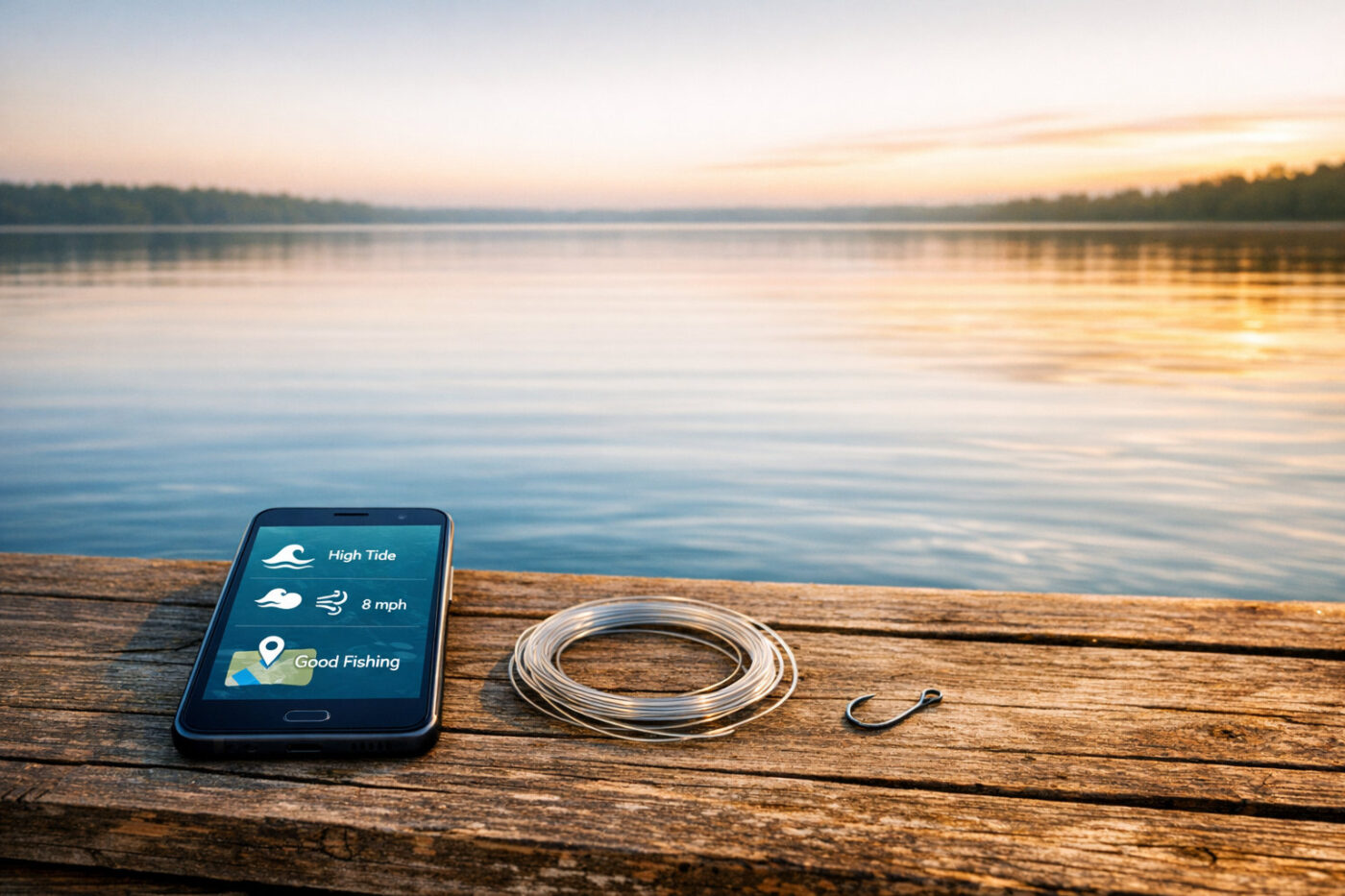
A comprehensive fishing app provides a suite of features intended to help anglers make responsible, informed decisions. Users can access local weather updates, tide tables, species activity predictions and detailed maps… all in one platform. These tools often offer real-time data and historical records, making it easier to track patterns or avoid sensitive times and locations. By using mapping functions and identified fishing locations, the app is especially valuable for those aiming to reduce their environmental impact. Accessing reliable forecasts helps anglers avoid crowded areas, plan ethical catch-and-release activities and document conditions for future reference. When utilized thoughtfully, these capabilities can improve the efficiency of each outing while supporting a careful approach toward aquatic conservation.
You may like: Magnet Fishing
Conservation benefits and distribution of fishing activity
One significant benefit comes from dispersing angling pressure. Instead of everyone focusing on peak times and locations, forecast technology may help guide decisions and lessen overcrowding. By doing so, these tools can reduce the direct and indirect disturbance caused by high concentrations of anglers.
This approach aids in protecting spawning grounds and fragile habitats that are easily affected during certain periods. For example, by using a service to check local conditions mid-season, you might choose to adjust your plans if forecasts indicate crowded conditions or note a higher presence of sensitive species. Managing when and how you fish can lower the risk of accidental bycatch and habitat trampling, both of which are recognized concerns in recreational fishing.
Reducing overharvest, habitat damage and wasted effort
When paired with knowledge about species behavior, legal guidelines and sustainable fishing methods, forecast technology can be an effective conservation tool. Anglers may avoid targeting species during vulnerable times such as spawning or when environmental stress is high, like periods of heat or low oxygen. This may help prevent overharvest and give populations a greater chance to recover between peak fishing periods.
Planning trips using forecasts also reduces unnecessary time on the water, which uses less fuel and can generate fewer emissions. Fewer journeys result in less shoreline disturbance and reduced boat wake, both of which could otherwise harm aquatic plants and animals. Overall, this leads to a smaller environmental footprint from recreational fishing activity.
Risks and best practices for responsible technology use
Despite their advantages, fishing forecast tools have some limitations. Forecasts are predictive rather than guaranteed, so it’s crucial to evaluate real-time conditions and not rely solely on digital guidance. If too many anglers act on the same forecast, there is a risk of crowding and shifting pressure to new areas.
The most effective approach combines forecast guidance with best-practice conservation behavior. You should plan trips around sensitive habitats and respect seasonal patterns. Proper handling of catch, especially when release is intended, helps reduce fish mortality and supports the sustainability of local populations. Keeping a personal log of conditions and outcomes at your favorite fishing points can also provide valuable patterns for responsible fishing, without increasing pressure on any single location.
Fishing forecast technology, when used thoughtfully, is one tool among many that may promote conservation and the maintenance of healthy fisheries. Its value is greatest when combined with ethical responsibility and an understanding of local ecosystems.