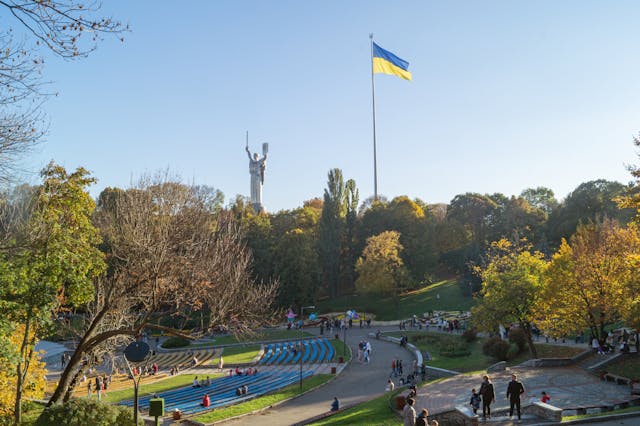

Ukraine’s green spaces say a lot about the country.
They show its land, its history, and the way people have lived with nature over time. You can see that in the Carpathian Mountains, in Kyiv’s parks and gardens, and in the lakes and wetlands of the north.
Ukraine has mountain forests, river valleys, marshes, old gardens, and protected parks. In the west, the Carpathians hold some of Europe’s most important forests. In Kyiv, big parks and botanical gardens bring nature and city history together. In the north, Polissia keeps a slower landscape of lakes, woods, and wetlands.
Travel in Ukraine is still shaped by the war. Anyone thinking about a trip should check official travel advice before planning and again before moving between regions. Conditions can change fast. For most people looking into Ukraine’s natural places, western Ukraine is the most realistic place to start. The Carpathians are the clearest example because they bring together mountain views, village life, and protected land.
What Eco-Tourism in Ukraine Looks Like Today
Eco-tourism in Ukraine is not mostly about resorts. It is more often about quiet, local travel.
That can mean protected parks, marked trails, botanical gardens, bird areas, mountain villages, and family-run guesthouses. It is less about large tourism projects and more about simple travel tied to place.
That idea matters even more now. Travel conditions are very different from one region to another. Because of that, the most practical eco-tourism trips are often in western Ukraine. That is where mountains, national parks, village stays, and nature areas are easiest to combine. In Ukraine today, eco-tourism means careful travel shaped by local rules and official guidance.
What the War Has Changed
Travel in Ukraine is much harder than it was before 2022.
The war has affected not only cities and infrastructure but also forests, wetlands, protected areas, and biodiversity. UNDP, citing Ukraine’s environment ministry, says around 30% of the country’s protected areas have been affected by hostilities, covering more than 1.2 million hectares.
The biggest change is air travel. Ukraine’s airspace is still closed to civil flights. Visitors cannot simply fly into Kyiv, Lviv, or Odesa. Most people must enter through a nearby country and then continue by train or road.
That makes rail travel much more important. Ukrainian Railways is still a key part of travel inside the country and across some borders. Trains are often the main way to move around, but routes and times should be checked close to departure.
Tourism has changed too. International leisure travel dropped sharply after the full-scale invasion. Domestic travel and travel to safer regions became more important instead. At the same time, tourism did not stop completely. Some areas kept local travel activity going.
Trips can also cost more now. Overland travel adds time, planning, and extra transfer costs. In response, tourism work in Ukraine now focuses more on regional strength, local travel, and keeping tourism services active where conditions still allow.
For people interested in nature and old green spaces, western Ukraine is still the most practical place to begin. Even there, plans should stay flexible and should always be checked against current official advice.
Why Ukraine Still Belongs in the Eco-Tourism Conversation
Ukraine still has the range needed for real eco-tourism.
The Carpathians shape the west. River valleys and forest-steppe cross the center. Wetlands and lake districts shape much of the north. Kyiv and other cities also matter because their green spaces are part of the national story, not apart from it.
These places offer more than nice views. They protect plants and animals. They support local people. They also show how Ukrainians have lived with the land across many periods. Forests, mountain meadows, monastery grounds, botanical gardens, and lake regions all help tell that story.
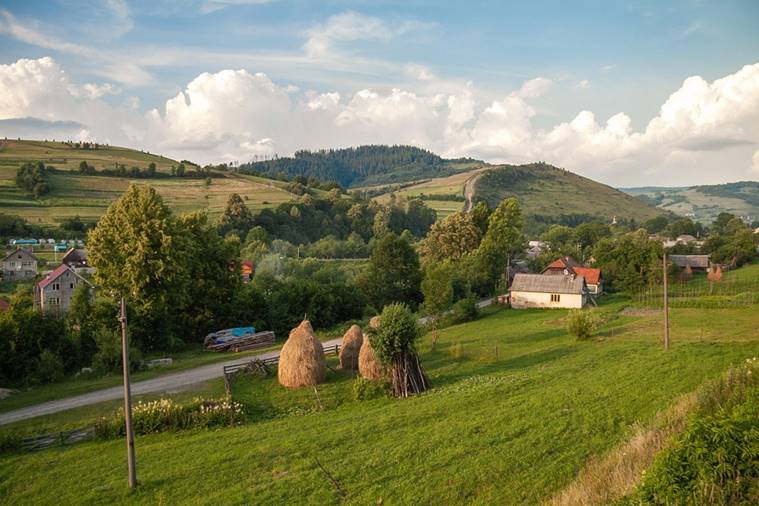
Best Regions by Travel Style
Different parts of Ukraine fit different kinds of nature travel.
For hiking, forest views, and mountain culture, the Carpathians are the best fit. Western Ukraine offers a strong mix of trails, protected land, and village life. The wider Carpathian beech forest system also includes UNESCO-listed sites known for old forest ecology.
For city green space and historic gardens, Kyiv stands out. Holosiivskyi National Nature Park and the M. M. Hryshko National Botanical Garden show how protected land, plant science, and garden history still shape the capital.
For lakes, wetlands, and birdlife, northern Ukraine offers a calmer setting. Polissia and the Shatsk area are known for forests, marshes, and water rather than high mountains. This part of the country is one of the clearest places for wetland nature and slow travel.
Under current conditions, western Ukraine is also the easiest region to plan around. It is far more practical than many other parts of the country.
Related: Top 6 Best Landscape Places In the World
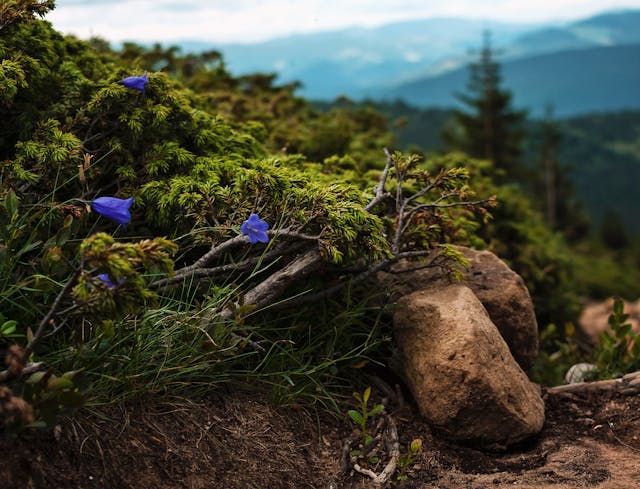
The Carpathians: Ukraine’s Strongest Eco-Tourism Region
The Carpathians are the clearest sign of Ukraine’s eco-tourism strength.
Western Ukraine brings together mountain scenery, village culture, rich wildlife, and trail access in one region. It is also part of one of Europe’s most important forest systems. UNESCO’s Ancient and Primeval Beech Forests listing includes sites in Ukraine as part of a wider World Heritage area. These forests matter because they show old temperate forest systems and long natural change over time.
That gives the Carpathians unusual depth. The region is not only beautiful. Old forests, mountain meadows, rivers, and long-settled communities all shape the travel experience.
Towns such as Yaremche work well as bases. They keep visitors close to the mountains instead of cutting them off from them. Forested slopes, rivers, and high pastures are nearby. Local markets and village life also help show how mountain settlement has continued through time.
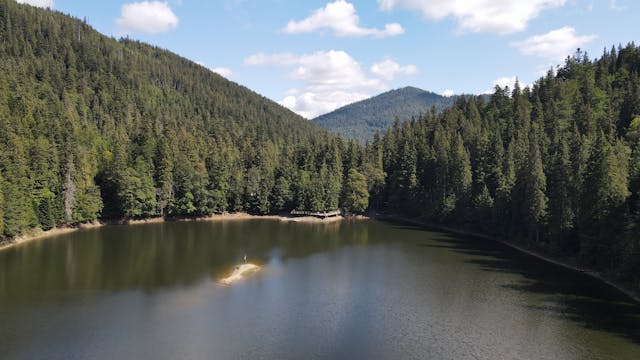
Synevyr: Forest, Water, and Conservation
Synevyr is one of the best-known nature sites in western Ukraine.
Its value comes from more than the lake alone. Synevyr Lake sits in Synevyr National Nature Park in Zakarpattia. The wider park includes mountain forests, peat bogs, wildlife habitat, and highland landforms. It also has a Brown Bear Rehabilitation Center and a birds-of-prey rehabilitation center. That gives visitors a direct look at conservation work.
Many people come for the quiet setting. The area has dark forest, cool air, still water, and distance from city life. But Synevyr is not untouched land. It is a protected place shaped by active care, visitor access, and park management. That makes it more than a scenic stop.
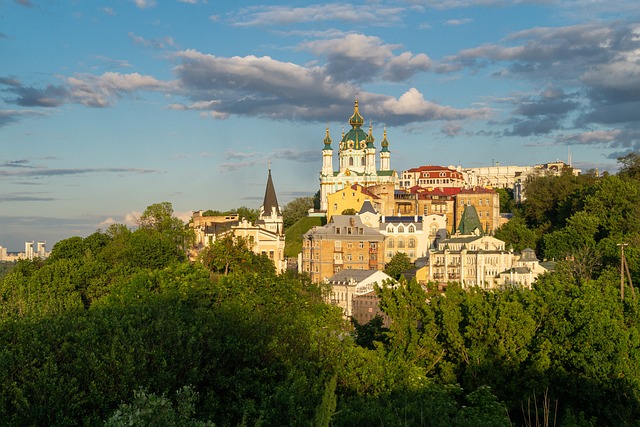
Kyiv’s Green Spaces Are Part of the Story
Kyiv belongs in the eco-tourism story too. Before heading deep into the wilderness, many eco-tourists begin their Ukraine trip in the capital city. When it comes to the best parks in Kyiv, the city has many locations to impress you.
Holosiivskyi National Nature Park is one of the most unusual protected areas inside a large Eastern European capital. It combines forest, ponds, paths, and wildlife habitat within the city.
The M. M. Hryshko National Botanical Garden adds something else. It is one of Ukraine’s leading botanical centers. It is known for plant collections, research, and seasonal displays. Its value is not only visual. It also has scientific and cultural importance.
Feofaniya adds another layer. Its ponds, paths, and religious setting show how Kyiv’s green spaces often hold natural, spiritual, and historic meaning at the same time. These are not just parks for rest. They hold memory inside the capital.
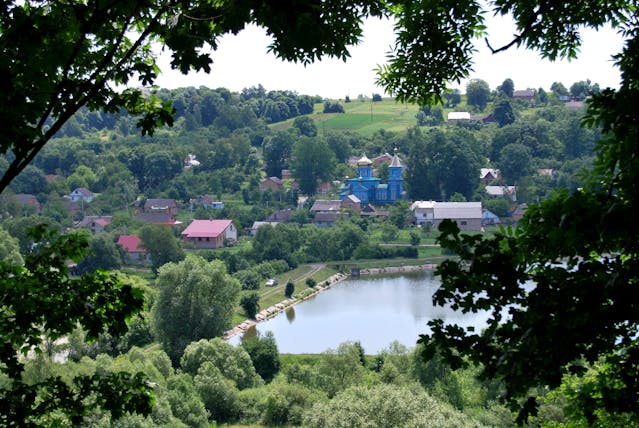
Polissia and the North: Lakes, Wetlands, and Forest Country
Northern Ukraine feels very different from the Carpathians.
Polissia is shaped by forests, marshes, peatlands, rivers, and lakes. It is flatter, quieter, and more tied to water than to height. Birdlife, small villages, and wetland cycles help define the region.
Shatsk National Nature Park is one of the clearest examples of this landscape. It is known for its lakes, birdlife, recreation areas, and protected ecosystems within the wider forest and wetland zone of Volyn Polissia.
This region offers a different kind of appeal. It is calm and steady. Fishing, foraging, migratory birds, and low-density village life still shape daily life here. Nature and ordinary life remain close together.
Why These Places Matter Now
Ukraine’s green spaces now exist within a much harder national reality.
The war has damaged cities and roads, but it has also harmed forests, wetlands, protected land, and wildlife. That changes how these places are viewed. Parks are not only places for rest now. They are also part of a wider story about damage, care, record keeping, and future repair.
Even so, these landscapes still matter. They matter to local people, domestic travel, conservation work, and regional identity. They keep forms of memory that normal travel writing often misses. That includes old forests, mountain communities, historic gardens, monastery grounds, wetlands, and villages still shaped by the seasons.
You may Interested : What Is Happening to the Glaciers Beneath the Matterhorn
How to Travel Responsibly
Responsible travel in Ukraine starts with care.
Check official advice before you go. Check again before moving between regions. Western Ukraine is usually the most practical place for nature travel because it has mountains, protected land, and working tourism services.
Once there, keep to the basics. Stay in locally owned places. Use marked trails. Follow park rules. Do not disturb wildlife. Spend money in local businesses when you can.
It also helps to avoid treating protected land as a pretty backdrop only. Many of these places now sit inside a larger story of pressure, care, and future repair. Respecting access limits, local rules, and seasonal guidance is part of responsible eco-tourism.
A Country Whose Green Spaces Hold More Than Scenery
Ukraine’s green spaces matter for more than beauty.
They hold ecological value, cultural memory, and historical depth in the same landscape.
The Carpathians protect some of Europe’s most important forests. Kyiv’s parks and botanical gardens show how city life and green space can stay closely linked. Polissia’s lakes, wetlands, and forests keep a quieter rhythm that still shapes local identity.
Taken together, these places help explain Ukraine. The country’s nature story does not sit outside its wider story. It runs through it.